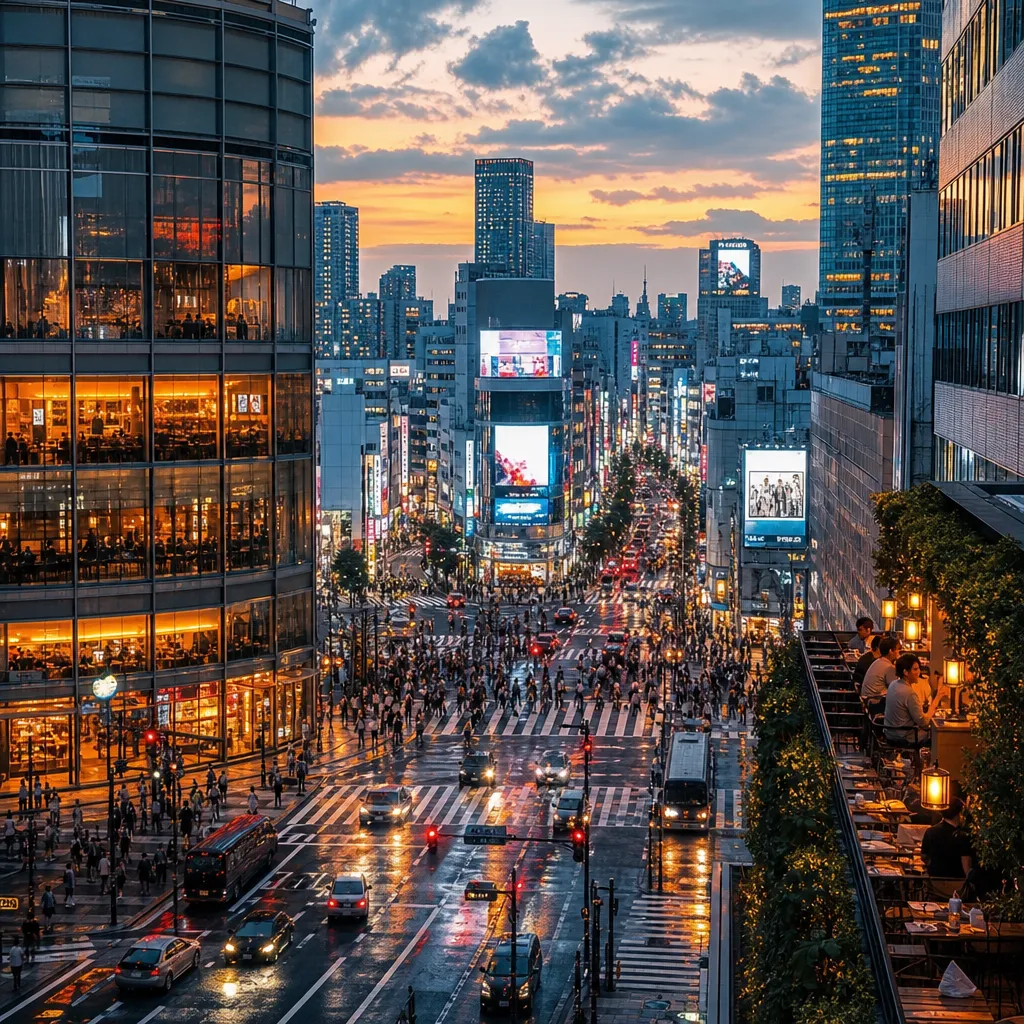
Shibuya is one of the easiest parts of Tokyo to enjoy badly and one of the best parts to enjoy well. Many visitors see the scramble crossing, take a few photos, and move on, but the ward and the station area contain far more than neon and crowds. A practical Shibuya trip mixes major sights with quieter streets, better-timed viewpoints, and nearby neighborhoods such as Harajuku, Omotesando, Ebisu, and Daikanyama. This guide focuses on what is genuinely useful on the ground: where places are, why they matter, and how to fit them into a real visit.
In local terms, “Shibuya” can mean either the station-centered entertainment district or the wider Shibuya ward. The station area is one of Tokyo’s biggest transport hubs, so it works well as a base even if you plan to explore beyond the crossing. Expect constant redevelopment, large pedestrian flows, and lots of vertical buildings, so checking the latest access details for any specific venue is wise.
How to Understand Shibuya’s Layout
The area around Shibuya Station is central Tokyo and extremely well connected by JR lines, Tokyo Metro, Keio Inokashira Line, Tokyu Toyoko Line, Tokyu Den-en-toshi Line, and others. The atmosphere changes quickly depending on which side of the station you choose.
- Around the Scramble Crossing and Center Gai: busiest, most commercial, strongest nightlife feel, dense with chain shops, game centers, bars, and casual food.
- Shibuya Stream side: more polished redevelopment zone near the station, useful for dining and easier riverside walking.
- Shoto: quieter, more residential and cultural, with museums and calmer streets.
- Daikanyama and Ebisu side of the wider ward: lower-rise, more design-led, better for cafés, boutiques, and a slower pace.
- Harajuku and Omotesando edge: fashion, architecture, and easy access to Meiji Jingu and Yoyogi Park.
If it is your first visit, avoid trying to do everything at once. Shibuya works best when split into daytime and evening zones.
Best First Stops in Shibuya
If you want a strong introduction without overplanning, these are the places that give you the clearest sense of the district.
Shibuya Scramble Crossing
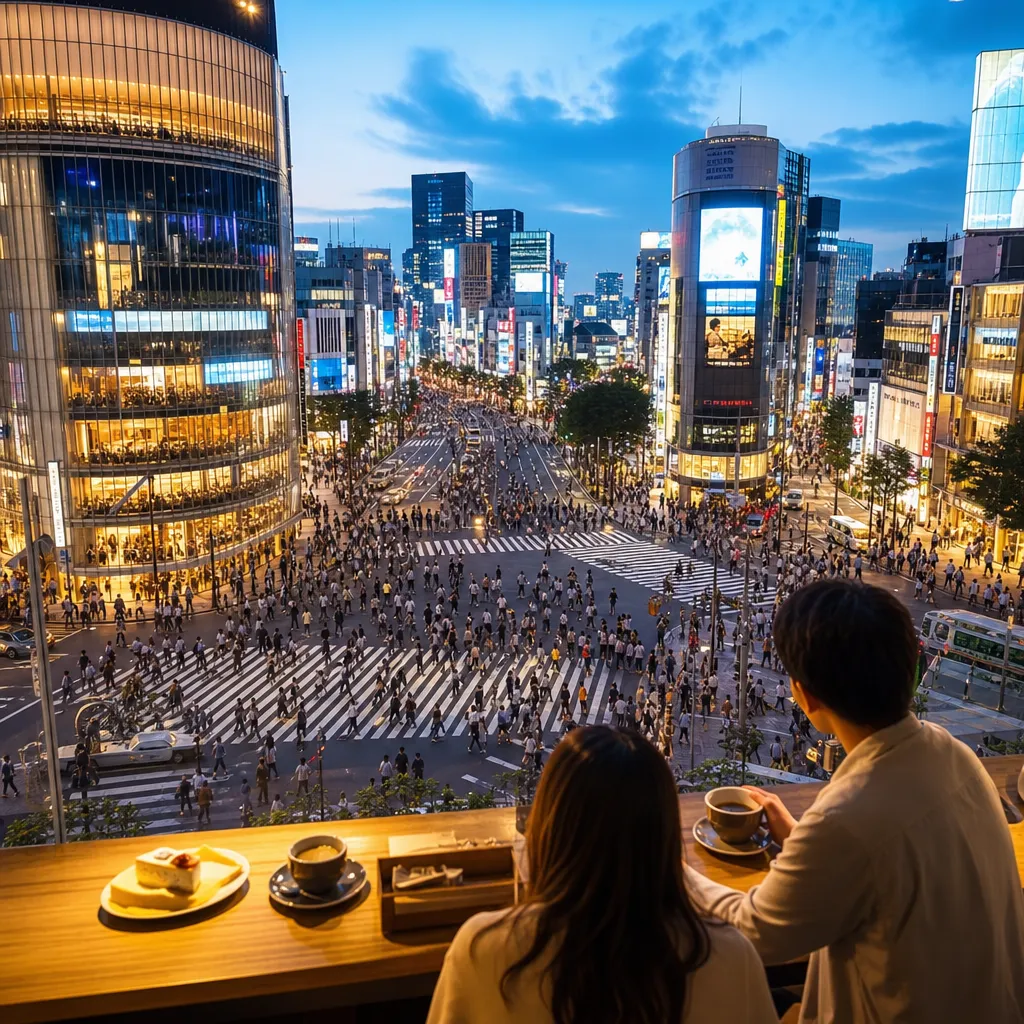
Right outside Shibuya Station, this is the district’s most famous streetscape. It is worth seeing once at street level, but the practical point is timing. Early evening gives you the densest urban atmosphere; late morning is easier if you want cleaner photos and less crowd pressure. It suits first-time visitors, photographers, and anyone trying to orient themselves fast.
Hachiko Statue
Near the station on the scramble side, Hachiko is a historic meeting point rather than a long stop. It matters because it anchors you in the area and is culturally familiar to many visitors. The space can be crowded, so if you want a quick look, visit outside the busiest commuting windows.
Shibuya Sky
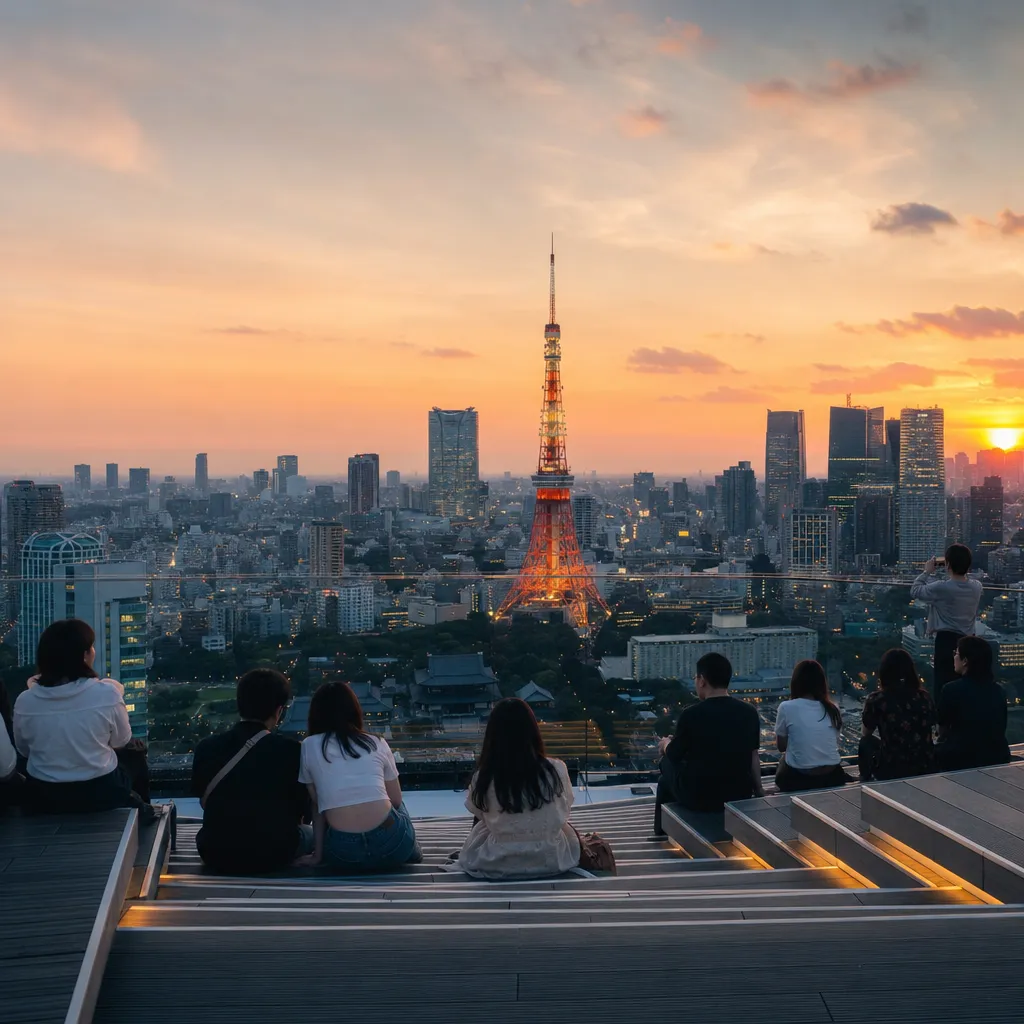
At Shibuya Scramble Square, directly connected to the station area, this is the most useful major viewpoint in Shibuya. It offers a broad look over central Tokyo, and on clear days visibility can extend far beyond the immediate skyline. Sunset and early evening are especially popular, so advance booking is often the safest approach. This is one of the best choices for couples, photographers, and first-time visitors who want one high-quality panoramic stop.
Miyashita Park
North of the station area, this redeveloped complex combines shopping, dining, and rooftop public space. It is not a traditional park experience, but it works well if you want a break from street-level congestion without leaving central Shibuya. It is a practical stop for casual browsing, short rests, and meeting friends.
Shibuya’s Best Attractions Beyond the Crossing
| Place | Area | Best For | Type | Key Feature |
|---|---|---|---|---|
| Shibuya Sky | Shibuya Station area | Views, first-time visits | Observation deck | Wide skyline panorama |
| Meiji Jingu | Harajuku/Yoyogi edge of Shibuya ward | Culture, walking | Shrine | Large forested approach in central Tokyo |
| Yoyogi Park | Near Harajuku | Picnics, families, relaxed time | Urban park | Large open green space |
| Bunkamura Museum and theater complex | Dogenzaka/Shoto side | Arts and indoor time | Cultural venue | Useful arts stop in busy Shibuya |
| Yebisu Garden Place | Ebisu | Calmer architecture and dining | Mixed-use complex | More spacious alternative to central Shibuya |
Meiji Jingu
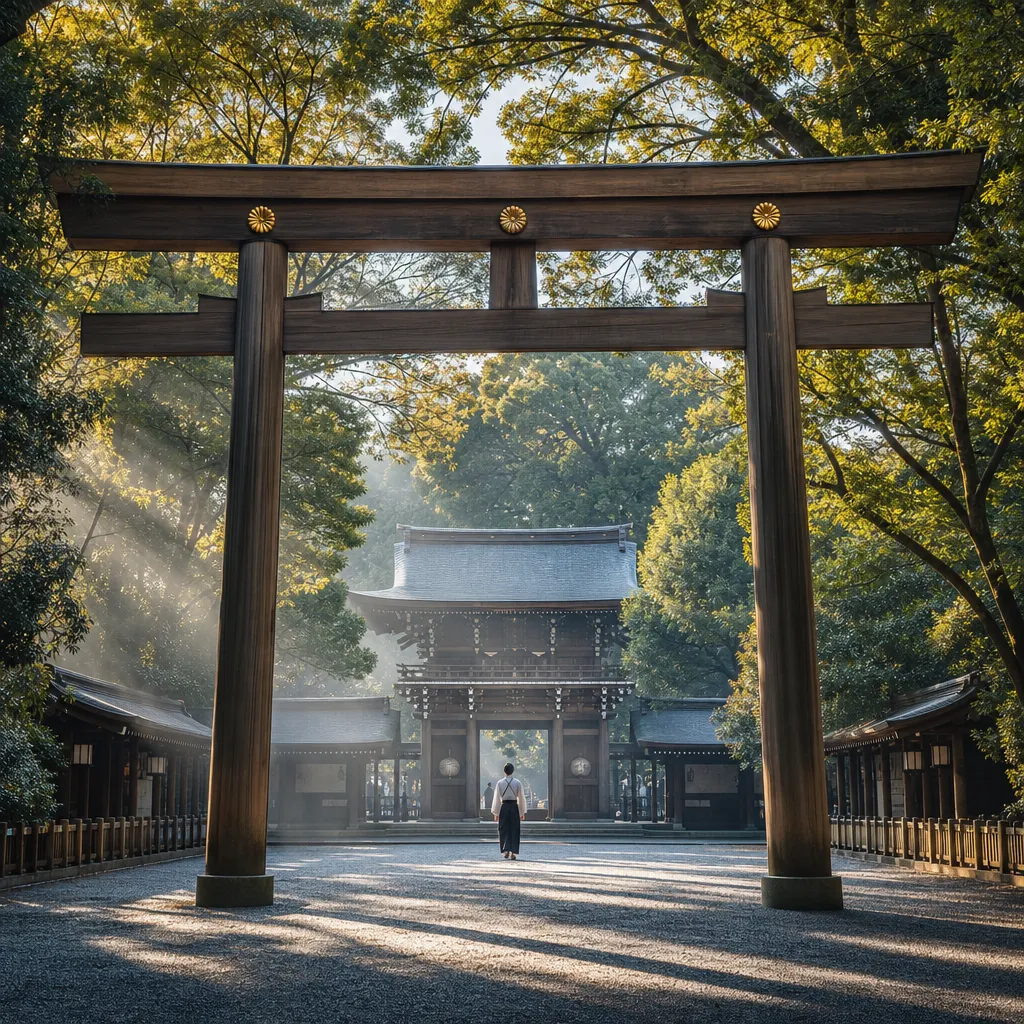
In the Harajuku/Yoyogi part of Shibuya ward, Meiji Jingu is one of the most important Shinto shrines in Tokyo. It is not in the middle of the commercial Shibuya station district, but it is very easy to combine with Harajuku, Omotesando, or Yoyogi Park. Visit for the long wooded approach, ceremony atmosphere, and a calmer counterpoint to the station area. Dress and behave respectfully, keep voices down, and remember it is a religious site, not only a sightseeing stop.
Yoyogi Park
Beside Meiji Jingu, this is one of the best green spaces in central Tokyo. It suits families, runners, people carrying takeaway coffee, and travelers who need open air after dense shopping streets. Weekends can be lively; weekdays are better for a slower visit. It combines especially well with Harajuku fashion streets or Omotesando architecture.
Bunkamura
On the Dogenzaka/Shoto side of Shibuya, Bunkamura has long been an important arts complex with exhibition and performance spaces. The exact program changes, so it is best for travelers who are willing to check current listings and choose what fits. This is a good rainy-day option and an effective way to add culture to a district often treated only as shopping and nightlife.
Yebisu Garden Place
In Ebisu, within the wider Shibuya ward and reachable by train from Shibuya, this is a good alternative if central Shibuya feels too intense. The area has broader walkways, more formal architecture, and a more relaxed pace. It is especially useful for couples, adult travelers, or anyone planning dinner or drinks in a less chaotic setting.
Where to Eat in Shibuya
Shibuya is not the easiest part of Tokyo for “best in the city” claims, but it is excellent for variety and convenience. You can eat very well here if you match the meal to the right micro-area.
Shibuya Hikarie and Shibuya Scramble Square
Both complexes near Shibuya Station are practical for visitors who want multiple dining options in one place. You will find everything from casual meals to more polished restaurants, and they are especially useful in bad weather or when traveling with a group that cannot agree on one style of food. Expect modern, mainstream choices rather than old-school neighborhood atmosphere.
Nonbei Yokocho
Near the station and the river, this narrow alley of tiny drinking and eating spots is one of the few pieces of old Shibuya texture left in the immediate area. It is better for evening than daytime and suits small groups, couples, or solo travelers comfortable in compact spaces. Not every venue is easy for walk-ins, and some places may feel more approachable than others depending on language and crowd levels.
Uobei Shibuya Dogenzaka
On the Dogenzaka side, this conveyor-belt style sushi chain is a practical budget-conscious option for quick casual eating. It is useful for solo travelers, families, and first-time visitors who want a low-pressure meal near the action. Because prices and menus change, confirm current details on site, but it remains one of the more straightforward affordable sushi stops in central Shibuya.
Ramen streets around Dogenzaka and Center Gai
Shibuya has many ramen options rather than one definitive destination. The Dogenzaka side is especially good when you want a late lunch or dinner after shopping or nightlife. Expect queues at stronger shops. In many ramen places, ordering may be through a ticket machine, and the pace is faster than at a long sit-down meal.
If you want a more polished café-and-dinner day, cross into Daikanyama or Omotesando. If you want yakitori and drinks, the streets behind the main roads become more interesting in the evening.
Shopping: Fashion, Design, and Department Stores
Shibuya Parco
Near the station but slightly away from the crossing, Shibuya Parco is one of the strongest shopping stops for visitors interested in fashion, design, pop culture, and contemporary retail curation. It is more concept-driven than a basic mall and suits travelers who want Japanese labels alongside entertainment-oriented floors.
Seibu Shibuya
Also in the central Shibuya shopping zone, Seibu is useful if you want department-store shopping with fashion and beauty emphasis. It works well for visitors who prefer indoor browsing, especially in hot or wet weather.
Tokyu Hands Shibuya
Still one of the most practical stores for gifts, stationery, travel accessories, home goods, and hobby items. Even if you buy nothing, it is a very efficient introduction to everyday Japanese product culture. It suits families and practical shoppers more than luxury-focused visitors.
Daikanyama T-Site
In Daikanyama, southwest of the busiest station zone, this is one of the best shopping-and-browsing stops in the wider Shibuya area. It is centered on books and lifestyle retail, and the atmosphere is much calmer than central Shibuya. This is a good choice for design-minded travelers, readers, couples, and anyone wanting a slower morning.
Cat Street and Omotesando edge
Between Shibuya and Harajuku, Cat Street offers a softer, more walkable retail experience than the station area. You will find a mix of fashion, sneakers, streetwear, and smaller stores. It is best explored on foot in daylight, ideally combined with Omotesando’s architecture and cafés.
Best Photo Spots and View-Oriented Stops
Shibuya Sky
For a true city panorama, this remains the strongest option. Daylight is best for urban detail; blue hour and early evening are better for atmosphere. Weather matters more than people expect, and access can be limited by conditions, so check before going.
Magnet by Shibuya109 crossing view
This is a useful elevated angle onto the scramble itself. It is less about distant skyline and more about graphic street photography: crosswalk movement, billboards, and dense city layering. It is particularly effective after dark when signs are bright.
Omotesando
On the edge of Shibuya ward, Omotesando is best for architecture photography rather than spectacle. The avenue and side streets contain some of Tokyo’s most interesting storefront and commercial building design. Morning and late afternoon light are generally easier than harsh midday sun.
Yoyogi Park and Meiji Jingu approaches
For people photography, seasonal foliage, and a break from neon-heavy imagery, these are the easiest nearby alternatives. They are especially good in spring and autumn, though peak seasonal crowds should be expected.
Nightlife and Evening Planning
Shibuya is one of Tokyo’s easiest neighborhoods for a casual night out, but it helps to choose the right style of evening.
- Center Gai and Dogenzaka: best for bars, late dinners, music, and a generally youthful, busy atmosphere.
- Nonbei Yokocho: better for compact, older-style alley drinking and conversation.
- Ebisu: better for a more relaxed dinner-and-drinks evening with less street chaos.
- Daikanyama: better for quieter bars, date-night energy, and design-conscious venues.
If you dislike crowds, avoid treating the scramble area as your main night destination. Use it as a landmark, then move a few streets away. Last-train timing matters in Tokyo, so check your route back if you are not staying locally.
Suggested Shibuya Itineraries
Half-Day First Visit
- Start around Hachiko and the scramble crossing.
- Go up to Shibuya Sky.
- Browse Shibuya Parco or Hikarie depending on your interests.
- Finish with dinner on the Dogenzaka side.
Calmer Full Day in the Wider Ward
- Morning at Meiji Jingu.
- Walk through Yoyogi Park.
- Lunch and shopping around Omotesando or Cat Street.
- Late afternoon in Daikanyama T-Site.
- Dinner or drinks in Ebisu.
Rainy-Day Plan
- Department-store or mall shopping near Shibuya Station.
- Indoor lunch in Hikarie or Scramble Square.
- An exhibition or performance option at Bunkamura if available.
- Evening food stop near the station without long outdoor walks.
Practical Tips for Visiting Shibuya
- Use the station as a hub, not a destination in itself. The area is large and layered, and station navigation can take longer than expected.
- Book major viewpoints in advance when possible. This matters most for popular sunset slots.
- Wear comfortable shoes. Even short plans turn into a lot of walking, stairs, and standing.
- Separate daytime and nightlife goals. Shopping and architecture are better earlier; alleys and bars work better after dark.
- Consider neighboring districts. Some of the best Shibuya-area experiences are actually in Ebisu, Daikanyama, Harajuku, and Omotesando.
- Check current information directly. Redevelopment, entry systems, and restaurant policies can change faster here than in older districts.
What part of Shibuya is best for a first-time visitor?
The station area around the scramble crossing is the easiest place to start. Add Shibuya Sky for orientation, then branch into Dogenzaka, Parco, or Cat Street depending on whether you want food, shopping, or walking.
Is Shibuya good for families?
Yes, especially in daytime. Yoyogi Park, Meiji Jingu, larger department stores, and casual restaurant complexes work well. Late-night Center Gai and parts of Dogenzaka are less family-oriented.
Do I need reservations in Shibuya?
For major viewpoints and more popular dinner spots, reservations are often helpful. Casual chains, food halls, and many lunch options are easier for spontaneous visits.
Is Shibuya expensive?
It can be, but it does not have to be. Department stores and stylish dining can be costly, while ramen, chain sushi, casual cafés, and basement food halls can keep spending moderate.
What is the best time of day to visit the scramble crossing?
Early evening gives the classic high-energy atmosphere. If you prefer easier movement and cleaner photos, go in the morning or late morning.
Can I explore Shibuya without speaking Japanese?
Yes. It is one of the easier Tokyo districts for international visitors thanks to signage, transport connections, and the number of businesses used to non-Japanese customers.
How many hours should I plan for Shibuya?
A focused first visit can work in three to five hours. If you include shopping, a viewpoint, a proper meal, and nearby areas such as Harajuku or Daikanyama, a full day is easy to fill.
What should I check before visiting?
Check current access information for Shibuya Station, advance-entry systems for major attractions, weather if you are planning a view, and current opening details for restaurants or museums.
Sources
- GO TOKYO (Tokyo Convention & Visitors Bureau)
- Shibuya Scramble Square official website
- Japan National Tourism Organization