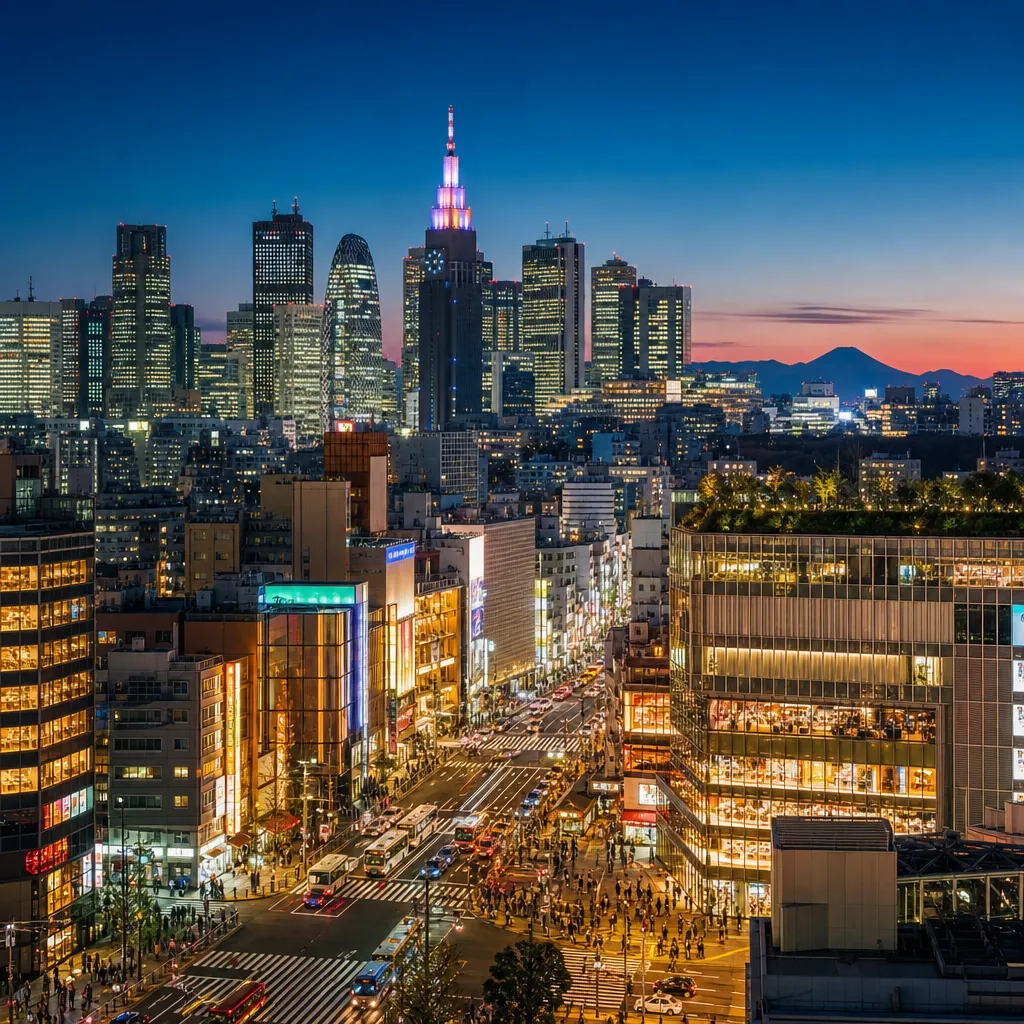
Shinjuku is less a single neighborhood than a cluster of different Tokyos packed around one of the world’s busiest rail hubs. West Shinjuku is defined by towers, hotels, and observation decks; East Shinjuku and Kabukicho are neon-heavy and late-night; Shinjuku Sanchome mixes shopping, cafés, and department stores; and quieter corners like Shinjuku Gyoenmae or Kagurazaka-adjacent edges feel distinctly calmer. A good Shinjuku trip works best when you treat it as several walkable zones connected by major stations, not just one station area. This guide focuses on what is genuinely useful on the ground: where to go, why each place is worth your time, and how to fit it into a practical visit.
If you are staying in central Tokyo, Shinjuku is one of the easiest bases because JR, Tokyo Metro, Toei, Odakyu, Keio, and long-distance highway buses all converge here. It also rewards different travel styles: first-time sightseeing, food hopping, nightlife, department-store browsing, architecture, and short green breaks. The main challenge is scale. Build each outing around one side of the station or one adjoining district at a time.
Understanding Shinjuku’s Main Areas
Shinjuku Station area is the core transport hub, straddling Shinjuku and neighboring districts within central Tokyo. It is useful for department stores, casual dining, rail connections, and quick access to almost everything else in this guide.
West Shinjuku, on the station’s western side, is the skyscraper district in Shinjuku ward. This is where you will find the Tokyo Metropolitan Government Building, major business hotels, broad roads, and a more corporate weekday atmosphere. It is practical for viewpoints and architecture.
East Shinjuku and Kabukicho are the entertainment side. Kabukicho is famous, busy, and highly visual after dark. It suits nightlife, street photography, and late openings, but it is not the quietest base for families.
Shinjuku Sanchome lies to the east and southeast of the station. It is especially useful for shopping, cafés, and easier street-level navigation than the larger station complex. Isetan Shinjuku and many independent food spots are in this wider area.
Shinjuku Gyoenmae, near Shinjuku Gyoen National Garden, feels markedly calmer. It is a good choice if you want greenery, coffee breaks, or a softer contrast to the station district.
| Place | Area | Best For | Time of Day | Key Feature |
|---|---|---|---|---|
| Tokyo Metropolitan Government Building | West Shinjuku | Views, architecture | Day or evening | Free observation decks |
| Shinjuku Gyoen National Garden | Shinjuku Gyoenmae | Nature, walking, families | Morning to afternoon | Large landscaped garden in central Tokyo |
| Omoide Yokocho | Near Shinjuku Station west side | Yakitori, atmosphere | Evening | Dense alley dining scene |
| Golden Gai | Kabukicho side, east of station | Small bars, nightlife | Late evening | Tiny bar district with distinct character |
| Isetan Shinjuku | Shinjuku Sanchome | Food hall, fashion, gifting | Late morning to evening | One of Tokyo’s strongest depachika food floors |
| NEWoMan Shinjuku | South side of Shinjuku Station | Modern shopping, dining | Day to evening | Convenient station-connected complex |
Best Attractions and Viewpoints in Shinjuku
Tokyo Metropolitan Government Building
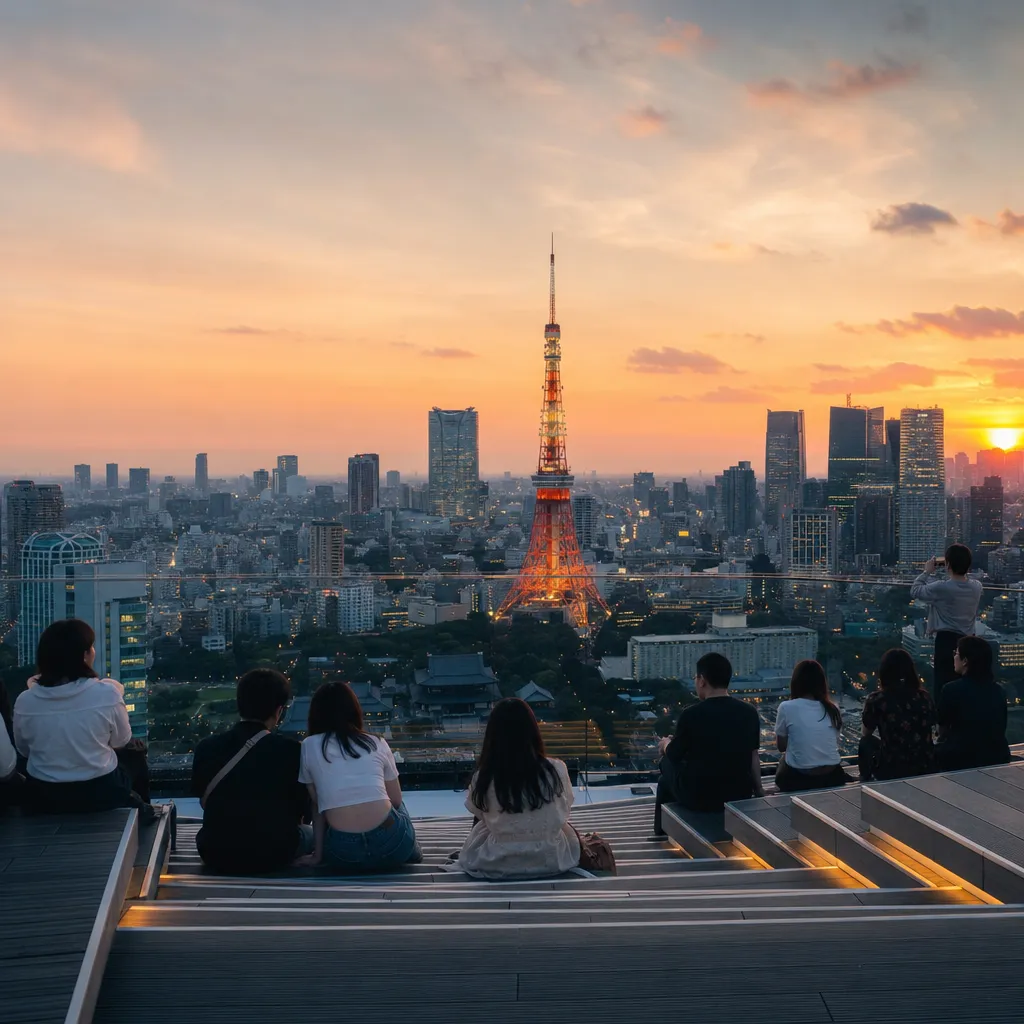
In West Shinjuku, this is one of the most practical observation spots in the city because it combines a central location with free public access. The building itself is also a notable piece of late-20th-century Tokyo architecture. Go during clear daytime weather for broader city detail, or after sunset for the office-tower glow of West Shinjuku.
It suits first-time visitors, photographers, and anyone who wants a city view without committing to a paid deck. Because policies and queue systems can change, check current visitor information before going. Expect security checks and a more orderly, civic atmosphere than a commercial tower.
Shinjuku Gyoen National Garden
Just east-southeast of the station area, near Shinjuku Gyoenmae, this large garden is one of the best resets in central Tokyo. It combines Japanese landscape garden design, formal French-style sections, and broad lawns that feel surprisingly spacious for the city center.
It works especially well in cherry blossom season, fresh green season, and autumn color, but it is worth visiting year-round. This is a daytime attraction rather than an evening one. Bring water in warm weather, and note that park rules should be respected; check official guidance before arrival.
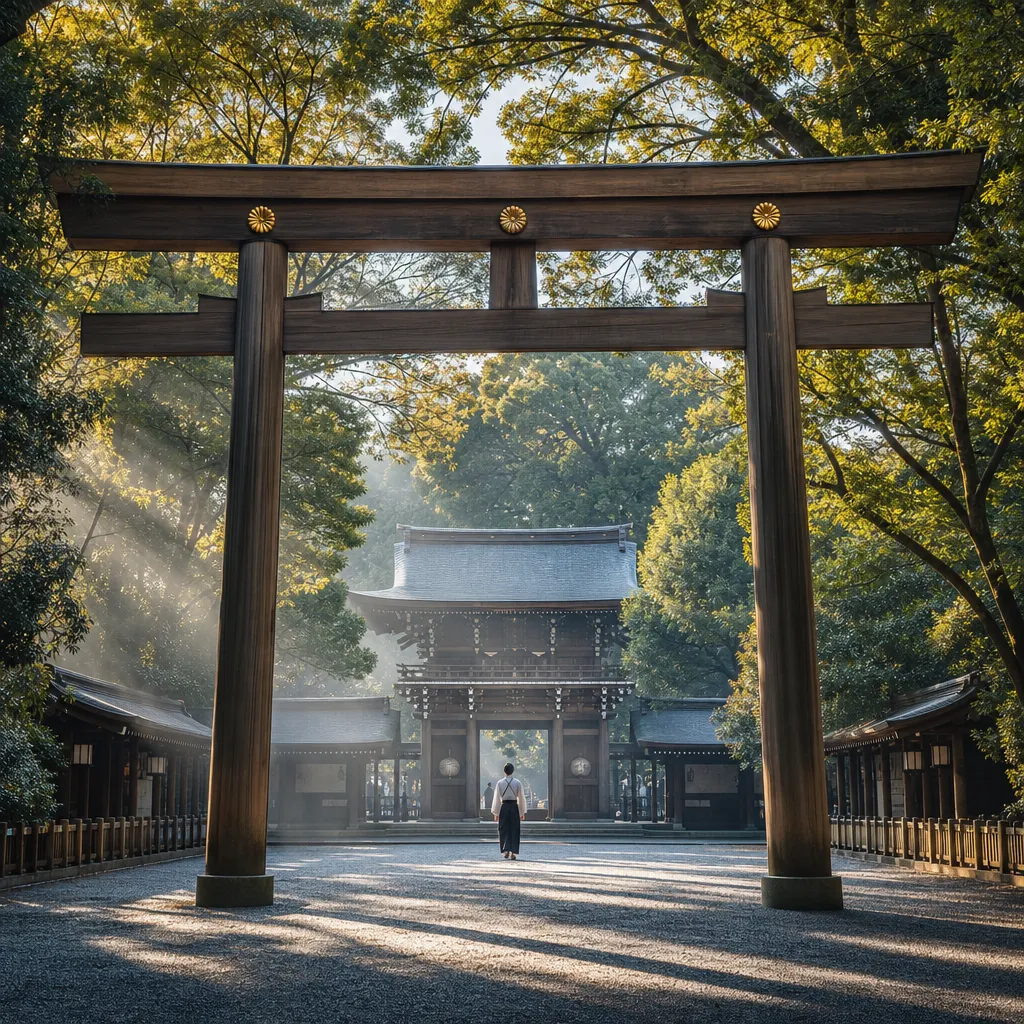
Hanazono Shrine
In the Shinjuku Sanchome/Kabukicho edge area, Hanazono Shrine offers a useful cultural stop without leaving central Shinjuku. It is a Shinto shrine, distinct from a Buddhist temple, and its presence in the middle of a busy entertainment district is part of its appeal.
This is an easy stop between shopping and nightlife rather than a destination requiring half a day. Visit quietly, avoid blocking worshippers, and be respectful if ceremonies are taking place. During festival periods, schedules and crowd levels can change significantly, so check current information if you are visiting for an event.
Where to Eat: Useful Shinjuku Food Stops
Shinjuku is not short on food, but the best approach is to choose by setting and convenience rather than chasing one “famous” place across the district. There are excellent ramen shops, yakitori alleys, sushi counters, izakaya floors in department stores, and polished restaurant options inside hotels and station complexes.
Omoide Yokocho
Near the west side of Shinjuku Station, Omoide Yokocho is best known for compact alleyway eating and drinking, especially yakitori and casual izakaya-style dining. The appeal is atmosphere as much as food: narrow lanes, smoke, signs, and a more intimate scale than the surrounding station area.
Go in the evening. It suits solo travelers and pairs well; larger groups may struggle with seating. Some shops are tiny, smoking may still be part of the environment depending on the venue, and menus vary widely. If you want low-key dinner with a strong sense of place, this is one of Shinjuku’s clearest picks.
Shinjuku Kappo Nakajima
In the wider Shinjuku Sanchome area, this is one of the district’s best-known examples of a place where lunch can be far more accessible than dinner. It is especially noted for Japanese set meals built around sardine preparations. The mood is more refined than alley dining, but lunch can still feel practical rather than ceremonial.
This is a good option for travelers who want a serious Japanese meal without committing to a high-end nighttime budget. Because popularity can create waits, it is smarter for flexible daytime schedules than rushed itineraries.
Fuunji
On the West Shinjuku side, Fuunji is one of the area’s most recognized ramen destinations, particularly for tsukemen. It is a useful stop for travelers staying in the hotel district or heading to and from the government building area.
Expect a focused menu and the possibility of queues. This is more about a specific ramen experience than a leisurely meal. Solo diners fit in easily.
Department store food halls and restaurant floors
If you want reliability over trend-chasing, use Isetan Shinjuku in Shinjuku Sanchome, or major station-area department stores such as Keio and Odakyu where relevant to current operations. Food halls are excellent for takeaway sweets, bento, Japanese deli foods, and gift shopping; upper restaurant floors are practical for mixed groups.
This route suits families, cautious eaters, and anyone short on time. You lose some neighborhood charm, but gain convenience, clean facilities, and broad choice.
Nightlife: Kabukicho and Golden Gai Without Confusion
Kabukicho
Kabukicho lies on the east side of Shinjuku Station and is one of Tokyo’s best-known entertainment districts. It is visually striking at night and worth visiting even if you only walk through, photograph the streetscapes, and choose a straightforward restaurant or bar.
The area suits adults comfortable with bright, busy nightlife districts. Be cautious about unsolicited invitations from street touts and choose clearly presented venues. For many visitors, the best experience is an early-evening wander followed by dinner or a drink in a place you selected in advance.
Golden Gai
A short distance from Kabukicho, Golden Gai is a compact cluster of extremely small bars. It is intriguing because each bar has its own personality, and the built environment feels very different from the surrounding modern city. Some bars warmly welcome international visitors; others remain regular-focused or have cover charges.
This is best for couples, solo travelers, and small groups willing to adapt to close quarters. Visit later in the evening, check house rules before entering, and keep expectations realistic: it is more about atmosphere and conversation than comfort or big-city polish.
Shopping in Shinjuku That Is Actually Worth Your Time
Isetan Shinjuku
In Shinjuku Sanchome, Isetan is one of the district’s strongest all-round shopping stops. Fashion gets much of the attention, but for many visitors the real value is the basement food hall. If you want high-quality sweets, seasonal gifts, prepared foods, and well-presented Japanese groceries, this is a practical stop.
It works particularly well on rainy days and for late-trip food souvenirs. The surrounding streets are also easier to browse than the busiest station corridors.
NEWoMan Shinjuku
Connected to the south side of Shinjuku Station, NEWoMan is a good modern option for fashion, cafés, and food in a comparatively streamlined environment. It is less overwhelming than some older department-store setups and especially convenient if you are arriving by JR or using the south side transport connections.
Takashimaya Times Square
Also on the south side of the station area, this large complex combines department-store shopping with restaurants and bookstores. It is a sensible choice if your group has different interests or you want one weather-proof stop covering shopping, dining, and browsing.
Kinokuniya Shinjuku Main Store
Near Shinjuku Sanchome, Kinokuniya is one of the most useful bookstores in the district for travelers who enjoy Japanese publishing, design books, stationery-adjacent browsing, or simply a quieter break from retail crowds. Even without reading Japanese, the visual culture sections can be rewarding.
Where to Stay in Shinjuku
Shinjuku works very well as a base, but the right sub-area matters. West Shinjuku is usually the most practical for larger hotels, airport bus access, and quieter nights. East Shinjuku and Kabukicho put you closer to nightlife and late dining, but can feel much busier. South Shinjuku gives good rail access with slightly more breathing room in places.
Park Hyatt Tokyo
In West Shinjuku, Park Hyatt Tokyo has long been one of the district’s landmark luxury addresses. It suits travelers prioritizing design-led high-end stays, skyline atmosphere, and a more self-contained hotel experience.
Because operating details can change, especially during renovation periods or phased reopenings, confirm current status before planning around it.
Keio Plaza Hotel Tokyo
Also in West Shinjuku, this is one of the most practical established hotels for first-time visitors. The appeal is not only comfort but location: easy access to the station area, airport connections, and the government-building side of the district.
It is a strong fit for families, multi-generational trips, and travelers who want predictable logistics over boutique character.
Hotel Gracery Shinjuku
On the Kabukicho side, Hotel Gracery Shinjuku is useful for visitors who want to stay right in the entertainment district. The atmosphere outside is very different from West Shinjuku’s business towers, so this choice is better for night-oriented travelers than for those seeking a calm neighborhood feel.
JR Kyushu Hotel Blossom Shinjuku
Near the south side of Shinjuku Station, this hotel is often a smart middle ground. The location is highly convenient for trains and buses, while the immediate area can feel less hectic than Kabukicho. It suits couples, solo travelers, and business-leisure stays.
Photography, Architecture, and Walking Routes
For architecture, start in West Shinjuku. The wide roads, towers, pedestrian decks, and civic scale around the Tokyo Metropolitan Government Building create strong urban compositions, especially in clear morning light or blue hour. This is one of the easier parts of central Tokyo for photographing skyscraper canyons without constantly fighting dense crowds.
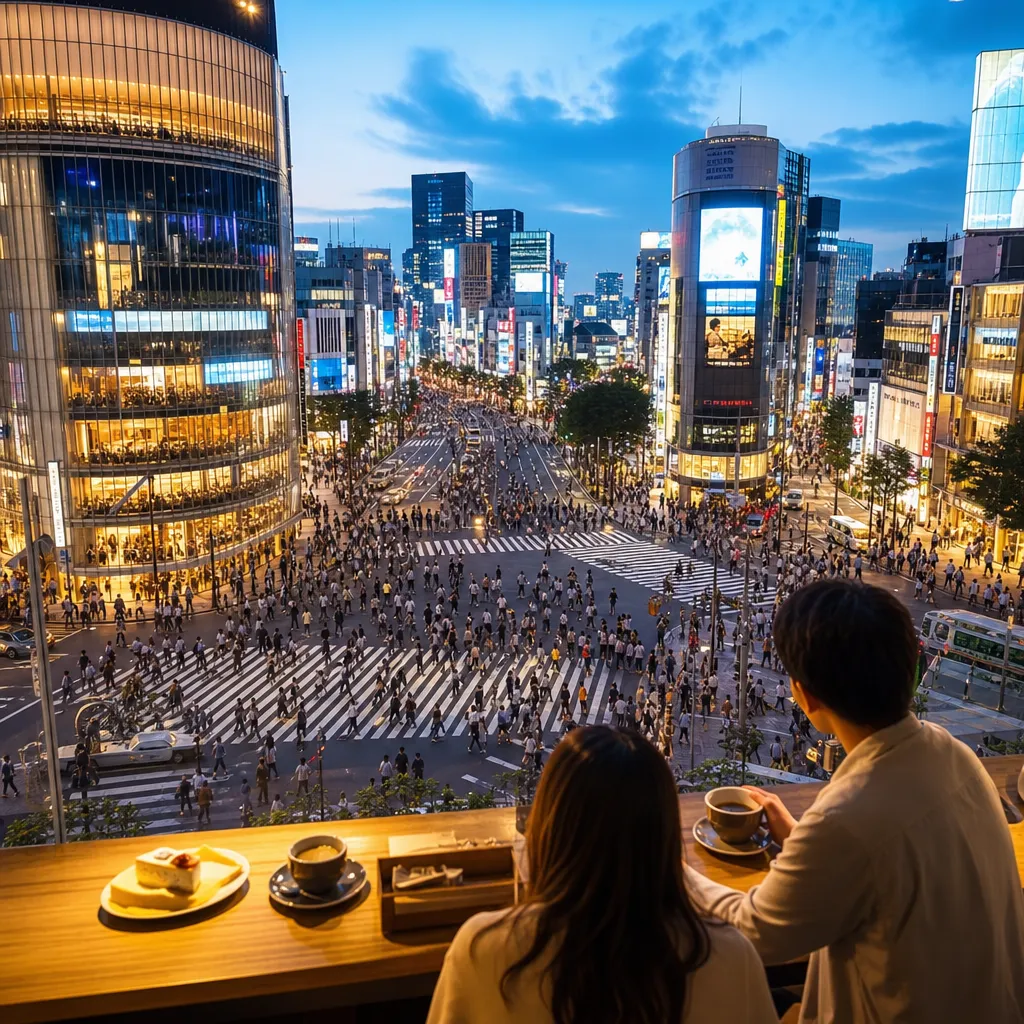
For night photography, walk from Shinjuku Sanchome into Kabukicho. You will get changing layers of department-store facades, sign-heavy side streets, and the compressed alleys near Golden Gai. Use common sense: keep gear manageable and avoid obstructing traffic on narrow lanes.
If you prefer a softer visual route, combine Shinjuku Gyoen National Garden with surrounding quieter streets near Shinjuku Gyoenmae. This is especially good in spring and autumn and suits travelers who want people-light images rather than neon-heavy scenes.
Practical Tips for Visiting Shinjuku
- Use the station by zone: choose west, east, south, or Sanchome as your target rather than “just Shinjuku Station.”
- Plan evenings carefully: if you want yakitori alleys, izakaya, or bars, go after dark; if you want gardens, bookstores, or department stores, start in the daytime.
- Reservations help for specific restaurants: especially for known ramen shops with queues, refined Japanese dining, or small bars with very limited seats.
- Families usually do better in West Shinjuku, south Shinjuku, or around Shinjuku Gyoen: Kabukicho is better approached as a short evening visit than a base for young children.
- Rainy-day Shinjuku is easy: department stores, station complexes, hotels, museums nearby in wider Shinjuku, and indoor dining make the area practical in bad weather.
- Check current operations: hours, closures, restaurant policies, and deck access rules can change.
FAQ
Which part of Shinjuku is best for a first-time visitor?
If you want easy sightseeing and a calmer base, choose West Shinjuku. If you want shopping and dining, Shinjuku Sanchome is very convenient. If nightlife matters most, spend your evening in Kabukicho and Golden Gai rather than trying to cover everything at once.
Is Shinjuku a good place to stay in Tokyo?
Yes. It is one of the best-connected bases in central Tokyo, especially for rail travel, airport bus access, and day trips. The key is choosing the right sub-area for your travel style.
Do I need reservations for restaurants in Shinjuku?
For casual ramen and alleyway dining, walk-ins are often part of the experience, though queues are common at popular places. For refined Japanese restaurants, hotel dining, or very small bars, reservations are often wise.
What is the best time of day to explore Shinjuku?
Morning and afternoon are best for Shinjuku Gyoen, shopping, and architecture. Evening is best for Omoide Yokocho, Kabukicho, and Golden Gai. If you have time, Shinjuku is one of the few areas that genuinely changes character between day and night.
Is Shinjuku suitable for families?
Yes, especially around West Shinjuku, the south side of the station, and Shinjuku Gyoen. Families may want to keep Kabukicho as a short sightseeing stop rather than the center of the itinerary.
Can I enjoy Shinjuku without speaking Japanese?
Yes. Major hotels, department stores, transport hubs, and many restaurants are accustomed to international visitors. Smaller bars and alleyway venues can be less English-oriented, so patience and basic politeness go a long way.
What should I check before visiting?
Check current opening information for observation decks, gardens, restaurants, and hotels. If you are planning around a specific meal, seasonal event, or skyline view, it is especially important to confirm current details.
Sources
- GO TOKYO (Tokyo Convention & Visitors Bureau)
- Tokyo Metropolitan Government
- Japan National Tourism Organization