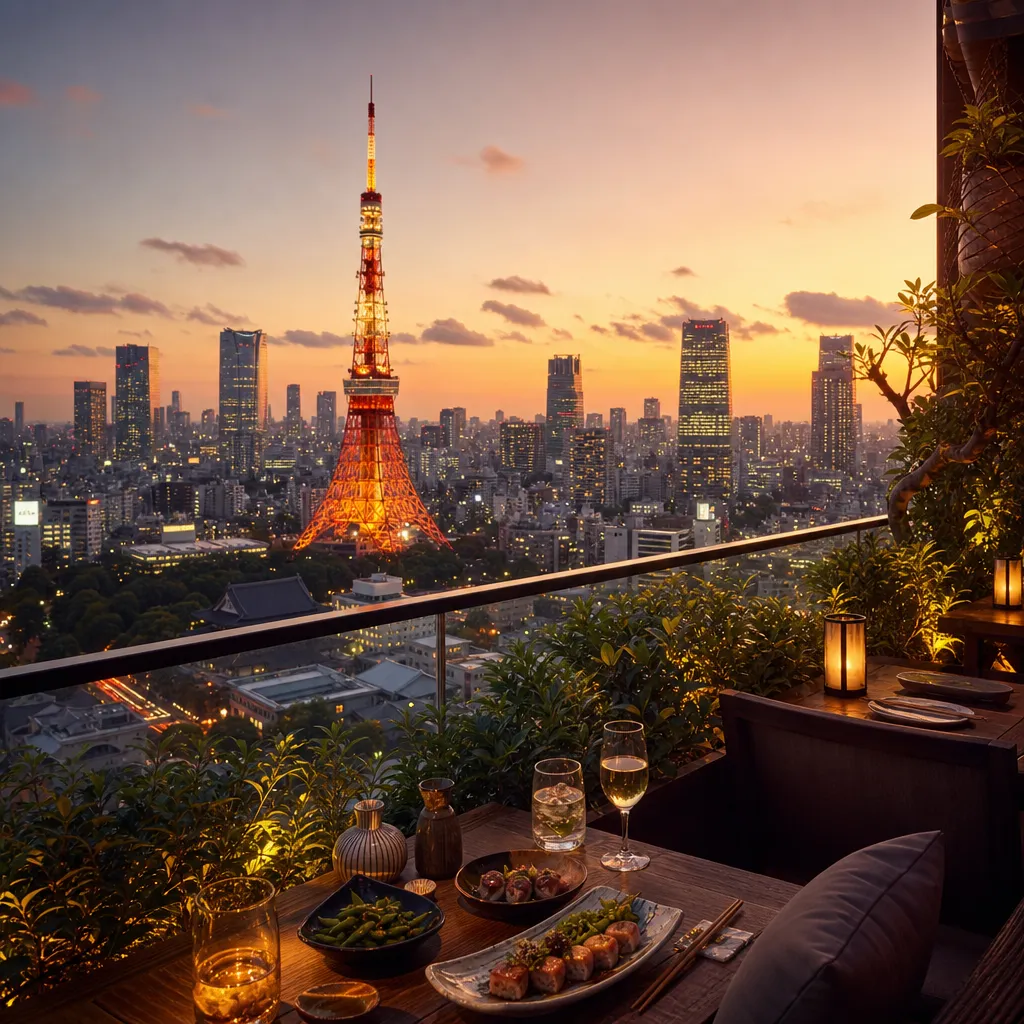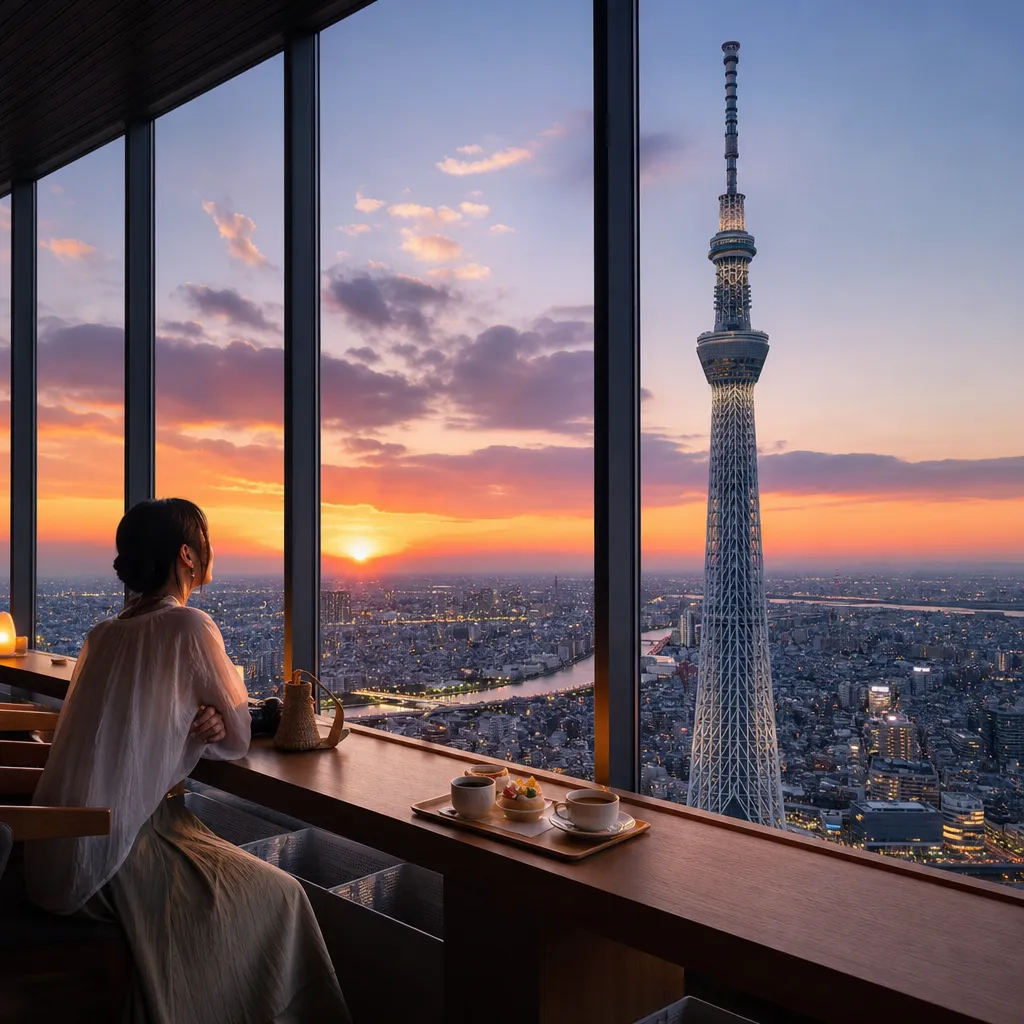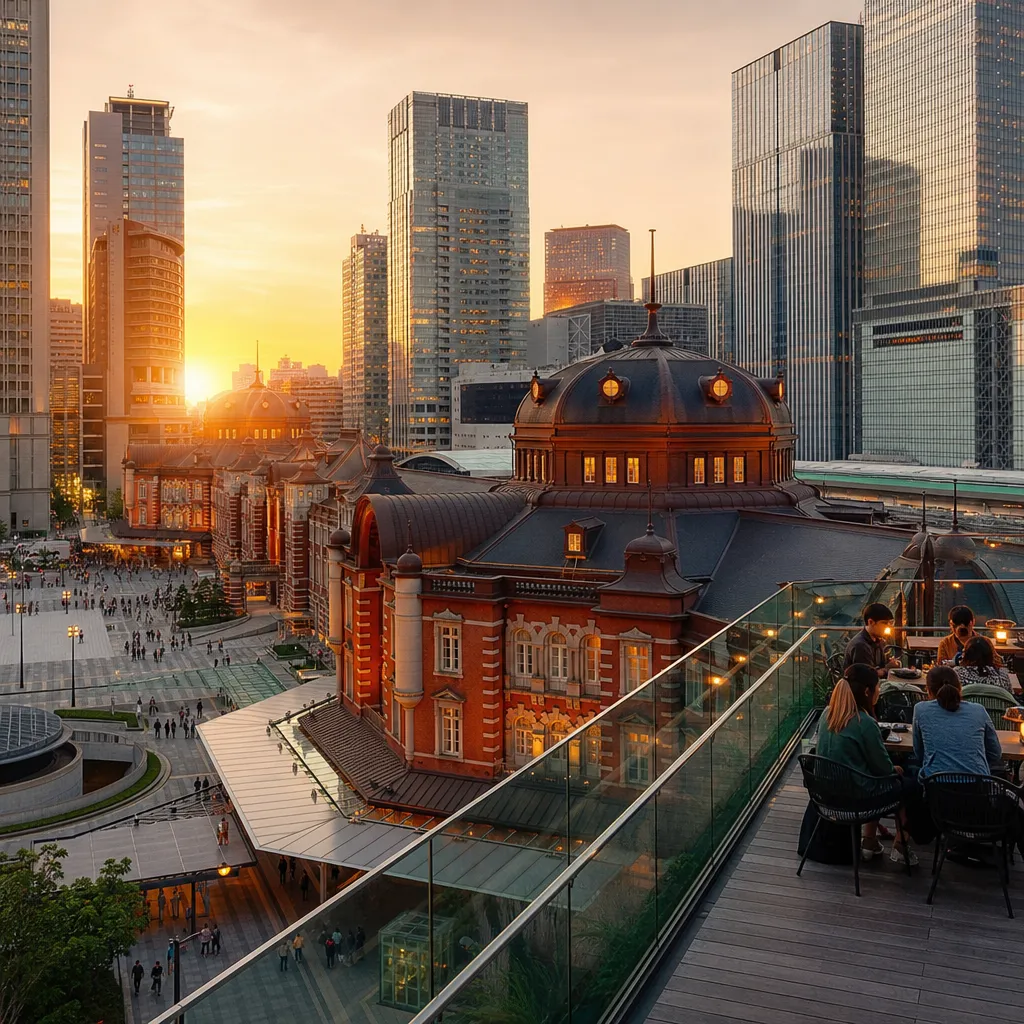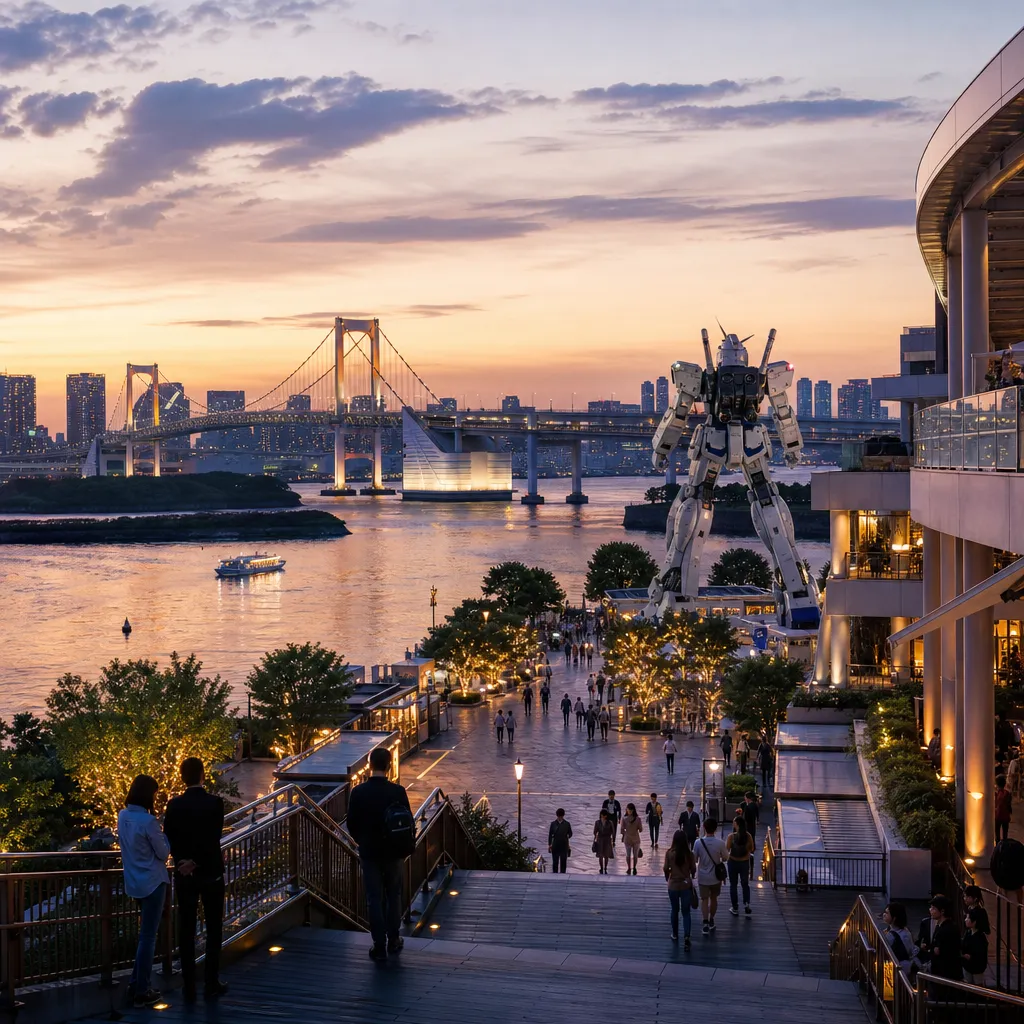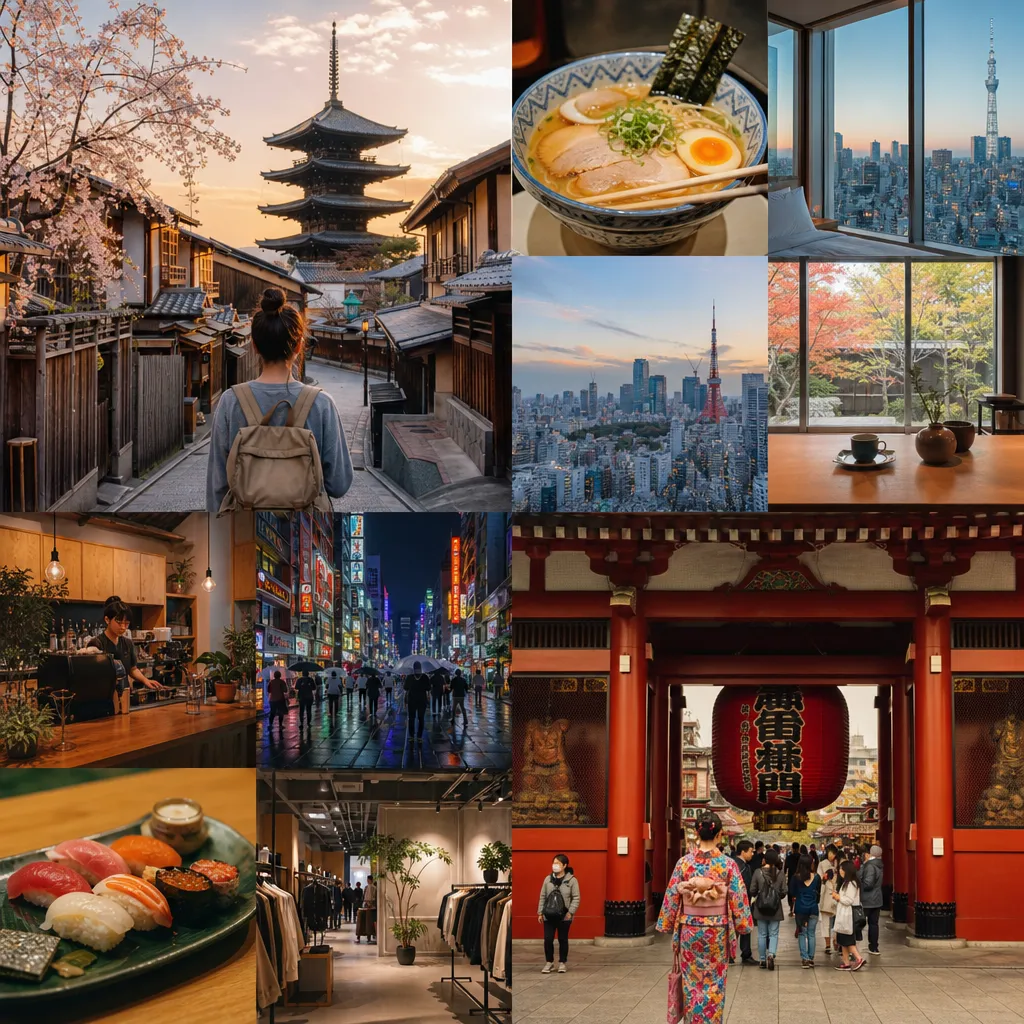
Backpacking in Tokyo works best when you treat the city as a collection of very different neighborhoods rather than one giant checklist. The practical challenge is not finding things to do, but choosing areas that match your budget, energy level, and travel style. A good plan mixes cheap, efficient bases with free or low-cost sights, plenty of convenience-store and casual dining options, and realistic transport habits. This guide focuses on where backpackers usually do well: affordable districts, useful hostels, budget food patterns, low-cost activities, and the transport decisions that make a big difference over several days.
Tokyo is expensive only if you move through it inefficiently or aim too often at the most polished version of every experience. Stay in an area with good rail access, eat where office workers and students eat, use observation decks and parks alongside paid attractions, and keep your itinerary geographically grouped. That approach gives you a far better trip than racing across the city for isolated famous spots.
Where to Base Yourself as a Backpacker
Choosing the right neighborhood matters more than chasing the absolute cheapest bed. Saving a little on accommodation can backfire if you spend more time and money crossing the city every day.
Asakusa
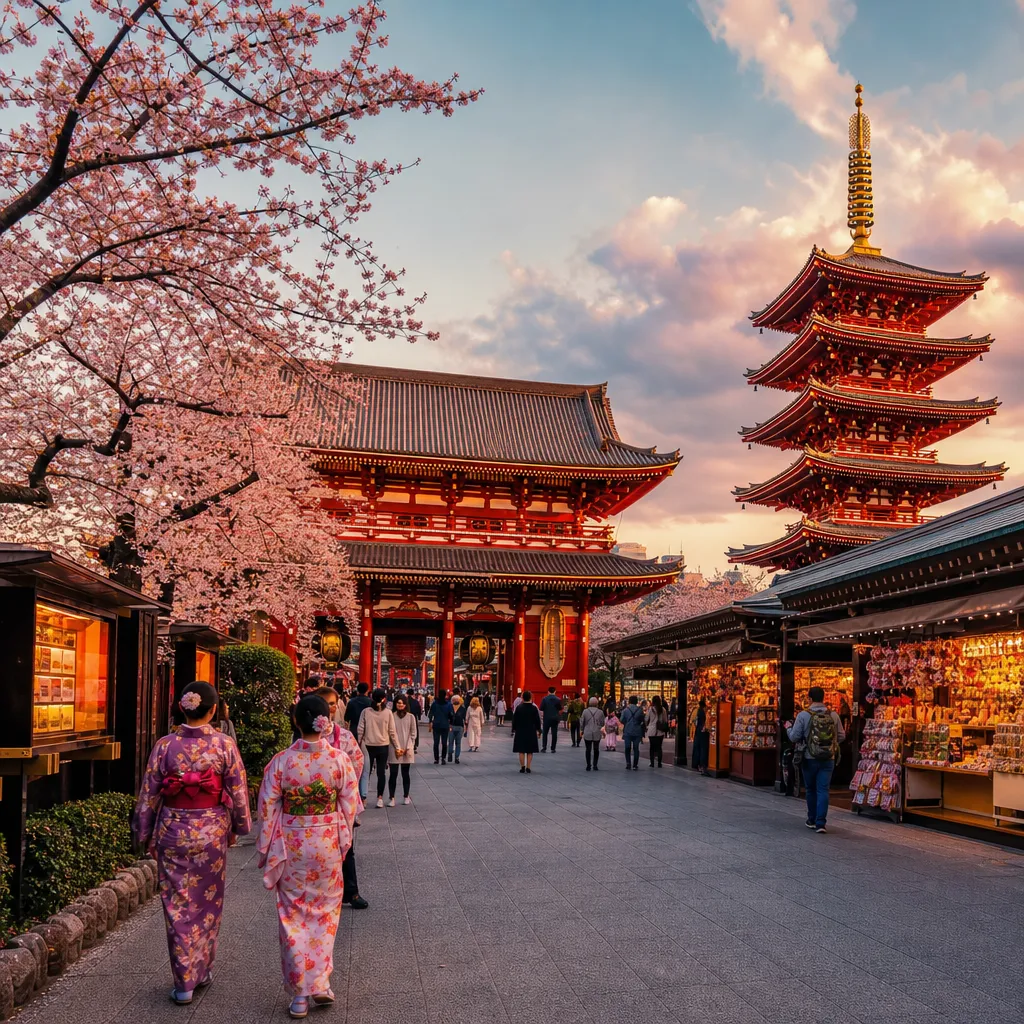
Asakusa, in Taito City on the northeast side of central Tokyo, is one of the easiest backpacker bases. It is centered around Senso-ji and served by Asakusa Station, with useful access to the Ginza Line, Asakusa Line, Tobu lines, and nearby river areas. The area feels historic, walkable, and comparatively relaxed at night.
It suits first-time visitors, solo travelers, and anyone who wants lower accommodation costs than Shibuya or Shinjuku while still being in a major sightseeing district. There are many hostels, capsule stays, and simple budget hotels here. It is also practical for Ueno, Akihabara, and access toward Narita Airport via the wider Asakusa Line network.
Ueno
Ueno, also in Taito City, is one of the strongest budget bases for transport. Ueno Station is a major hub for JR lines and Shinkansen connections, and Keisei Ueno is especially useful for Narita Airport access. The area around Ameya-Yokocho is busy, casual, and food-friendly.
This is a strong choice if you want easy museum access, straightforward airport transport, and good value dining. It can feel busier and less atmospheric than Asakusa, but for practical movement it is excellent.
Shinjuku
Shinjuku, in western central Tokyo, is more hectic but highly convenient if you want nightlife, late dining, and easy train connections. Around Shinjuku Station you will find hostels, capsule hotels, and business hotels, though prices often run higher than in Asakusa or Ueno.
It works best for travelers who want to stay out later and do not mind crowds. If your trip includes day trips westward or lots of evening plans, Shinjuku makes sense. For a calmer backpacking stay, look at the wider area rather than the station frontage itself.
Ikebukuro
Ikebukuro, in Toshima City, is often overlooked by first-time visitors but is very practical. Ikebukuro Station is a major transport node, accommodation can be better value than some more famous hubs, and the area has plenty of casual restaurants, shops, and nightlife without the same tourist weight as Shibuya.
Backpackers who want convenience without paying for trendier neighborhoods should consider it seriously.
Shimokitazawa or Kichijoji for a Different Mood
These are not the cheapest transport bases for first-timers trying to cover all major sights, but they suit longer stays. Shimokitazawa, west of central Tokyo in Setagaya, is known for small live houses, vintage shopping, and cafés. Kichijoji, farther west in Musashino, offers a neighborhood feel, good food, and easy access to Inokashira Park. Both are better for travelers who already know they prefer local atmosphere over ultra-central convenience.
Best Budget-Friendly Areas at a Glance
| Area | Nearest Major Station | Best For | General Budget Level | Area Character |
|---|---|---|---|---|
| Asakusa | Asakusa Station | First-time backpackers, hostel stays, historic atmosphere | Usually good value | Traditional sightseeing district with lots of budget stays |
| Ueno | Ueno Station / Keisei Ueno | Airport access, museums, efficient transport | Usually good value | Busy transport hub with market streets and casual dining |
| Shinjuku | Shinjuku Station | Nightlife, late arrivals, broad train access | Mixed, often higher | Dense, energetic, entertainment-heavy |
| Ikebukuro | Ikebukuro Station | Transport, value stays, everyday city life | Often solid value | Major commercial district with less tourist pressure |
| Kanda | Kanda Station | Simple business-hotel stays, central access | Moderate | Office district with practical transport links |
Hostels, Capsules, and Cheap Places to Sleep
Tokyo’s budget accommodation scene is broad, but the decision is usually between sociable hostels, ultra-compact capsule hotels, and basic business hotels booked early.
Hostels in Asakusa and Taito
This part of the city has long been one of the strongest zones for dorm beds and community-oriented stays. If you want common rooms, kitchens, and an easier time meeting other travelers, prioritize hostels around Asakusa, Kuramae, and the wider Taito area. Kuramae, just south of Asakusa, has become especially appealing for travelers who like quieter streets and café access while staying close to the same transport grid.
Capsule Hotels in Major Hubs
Capsule hotels can work well for short solo stays, especially near major stations such as Shinjuku, Ueno, or Akihabara. They are efficient rather than social. Some are sleek and modern, while others feel more functional. They suit travelers who want a lower nightly cost and do not mind limited personal space.
Before booking, check whether luggage storage is realistic for your needs. Large backpacks are not always comfortable in tighter capsule-style layouts.
Business Hotels as a Backpacking Hack
Single rooms in simple business hotels can sometimes be surprisingly competitive, especially if booked well in advance or during less busy periods. Areas like Ueno, Kanda, and Ikebukuro often have practical options. For couples or friends splitting a twin room, this can be better value than expecting all hostels to be cheapest.
How to Eat Well Without Overspending
You do not need convenience-store meals for every budget day. Tokyo is full of dependable, fast, low-cost food if you know where to look.
Chain Restaurants That Actually Make Sense
For backpackers, chains such as Matsuya, Sukiya, Yoshinoya, CoCo Ichibanya, Hanamaru Udon, and Fuji Soba can be genuinely useful. These are found across central Tokyo near major stations and business districts. They offer fast meals, predictable ordering, and prices that are usually manageable compared with trend-driven dining areas.
They are especially helpful for breakfast, solo meals, late arrivals, and rainy days when you do not want to research extensively.
Depachika and Supermarkets in the Evening
Department store food halls in areas like Ueno, Shinjuku, Ginza, and Ikebukuro can be expensive at peak time, but they are still worth knowing about if you want quality takeaway food. Supermarkets are often a better budget choice for prepared meals, fruit, snacks, and breakfast supplies. This is useful for longer stays in hostel areas with shared kitchens.
Neighborhood Food Streets Worth Browsing
- Ameya-Yokocho, Ueno: lively market atmosphere, snackable street food, casual eateries, and easy access from Ueno Station.
- Omoide Yokocho, Shinjuku: atmospheric alley dining with yakitori and small bars; better for the experience than for strict budgeting, as some places are tiny and evening-oriented.
- Asakusa side streets: good for traditional sweets, soba, and easy lunches around sightseeing.
- Jimbocho: known more for bookstores, but also a strong area for curry and student-friendly meals.
If you want sushi on a backpacker budget, conveyor-belt and casual chain-style sushi can be the most practical option. For ramen, major station districts usually have several reliable choices without requiring a special detour.
Cheap and Free Things Worth Your Time
Tokyo rewards backpackers who mix headline sights with urban wandering. Some of the city’s best experiences cost little or nothing.
Senso-ji and the Asakusa Streets
Senso-ji in Asakusa is one of the city’s most visited temple areas, but it still works well on a budget because entering the grounds costs nothing. Go early in the morning or later in the evening if you want a calmer atmosphere. The surrounding streets are lively, and even if you skip shopping heavily, the area is good for walking and photography.
Ueno Park
Ueno Park is one of the best-value cultural zones in the city. The park itself is free, and it places you near major museums and temple areas. Even if you only pay for one museum, the wider district gives you a full half-day. It is especially good in cherry blossom season, though that period is naturally busier.
Meiji Jingu
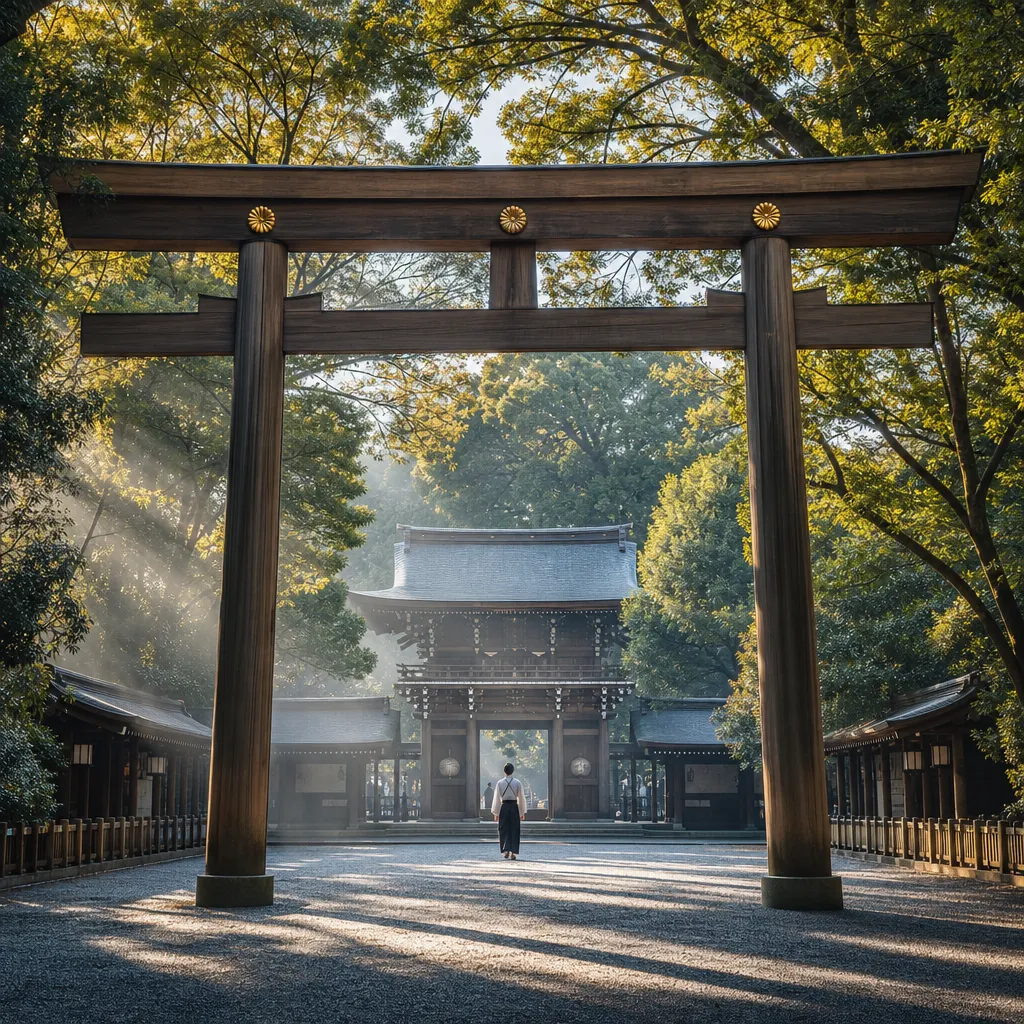
Near Harajuku and Yoyogi, Meiji Jingu offers a very different mood from the denser commercial parts of the city. The shrine approach through wooded grounds is a good mental reset if your itinerary has been station-heavy. This is best paired with nearby walks in Harajuku, Omotesando, or Yoyogi Park.
Tokyo Metropolitan Government Building
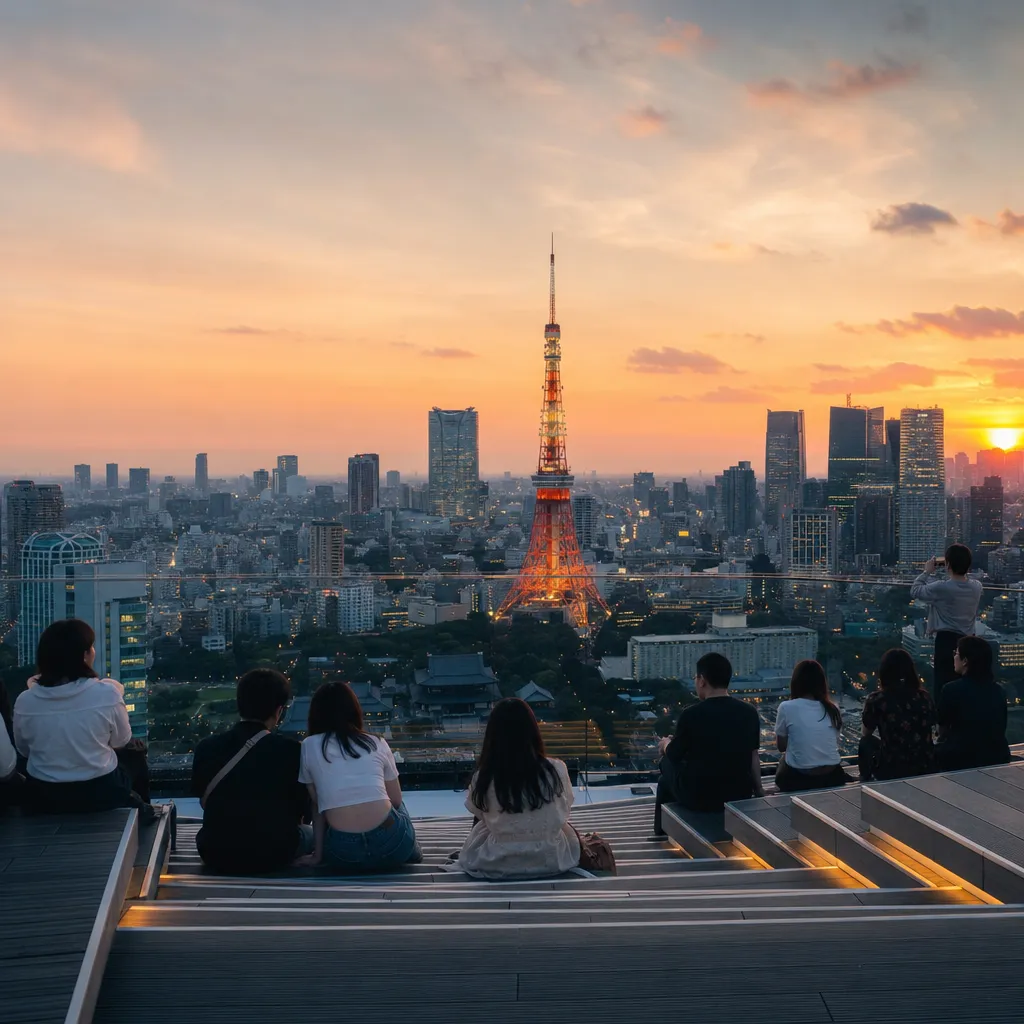
In Shinjuku, the observation facilities in the Tokyo Metropolitan Government Building are one of the classic budget traveler moves. They provide city views without the cost of the paid decks at some other towers. Visibility depends on weather and time of day, so clear afternoons or evenings are most rewarding.
Yanaka
Yanaka, in the northeastern part of the city near Nippori, is well suited to backpackers who want a slower, more residential walk. It is known for older streetscapes, temples, small shops, and a less vertical urban feel. Pair it with Ueno or Nippori rather than crossing the city just for a short visit.
Using Trains and Transit Smartly
Tokyo transport is excellent, but beginners often waste money by overcomplicating it.
Prioritize Neighborhood Clusters
Instead of doing Asakusa in the morning, Shibuya at lunch, Ueno in the afternoon, and Nakano at night, group each day geographically. For example, combine Asakusa with Ueno and Yanaka, or Shibuya with Harajuku and Omotesando. This keeps both fares and fatigue down.
Use IC Cards
An IC card such as Suica or PASMO is the easiest way to move around. It removes the hassle of buying individual tickets and works across much of the rail and bus network. Availability formats can change, so check the latest guidance before arrival.
Do Not Assume the JR Pass Helps Inside the City
For most backpackers focused on Tokyo itself, a national rail pass is not the main money-saving tool. Local urban travel usually comes down to smart routing instead.
Airport Strategy Matters
If you are flying through Narita, Ueno and Asakusa are often especially practical. If you are using Haneda, areas on convenient rail or monorail connections can make arrival easier. When choosing a hostel, think about your airport before thinking about nightlife photos.
Neighborhoods Backpackers Often Enjoy Most
Beyond the classic checklist stops, a few districts consistently work well for independent travelers.
Akihabara
Akihabara, around Akihabara Station in Chiyoda and Taito, is useful even if you are not deeply into anime or gaming. It has plenty of casual dining, electronics browsing, arcades, and relatively efficient transport. It is best visited as part of an Ueno or Kanda day.
Shimokitazawa
Shimokitazawa suits travelers who like thrift shopping, cafés, and small music venues more than formal sightseeing. It is west of Shibuya and Shinjuku on private railway lines, so it is easy enough to reach but not the most central sightseeing base. Visit in the afternoon into evening for the best atmosphere.
Nakano
Nakano, west of Shinjuku, is a good alternative to more crowded pop-culture areas. Nakano Broadway is the obvious draw, but the wider neighborhood is also full of straightforward eateries and everyday urban energy. It suits solo travelers and collectors particularly well.
Kuramae
Kuramae, east of central Tokyo near the Sumida River, has become popular with travelers who want a quieter base than Asakusa while still staying close. It has a more low-key café and craft-oriented feel and works well for hostel stays.
Budget Mistakes to Avoid
- Booking too far from a station just to save a little: in a city this large, location efficiency has real value.
- Relying only on convenience stores: they are useful, but cheap restaurant chains and lunch sets usually give better meal variety.
- Trying to cover too many districts in one day: transport costs are manageable, but energy loss is the bigger problem.
- Leaving accommodation too late in cherry blossom or autumn peak periods: budget beds in well-located districts fill early.
- Ignoring last-train timing after nightlife: taxis are costly, so know your evening transport options.
- Assuming cash is unnecessary everywhere: card use is widespread, but some smaller places still prefer or require cash.
A Practical 3-Day Backpacking Structure
If you want a simple framework, this is a sensible way to organize a short stay.
Day 1: Asakusa, Ueno, Yanaka
Start with Senso-ji and the surrounding streets, continue to Ueno Park and either a museum or Ameya-Yokocho, then head toward Yanaka for a slower finish. This day keeps the geography tight and balances famous sights with neighborhood walking.
Day 2: Shibuya, Harajuku, Meiji Jingu, Shinjuku
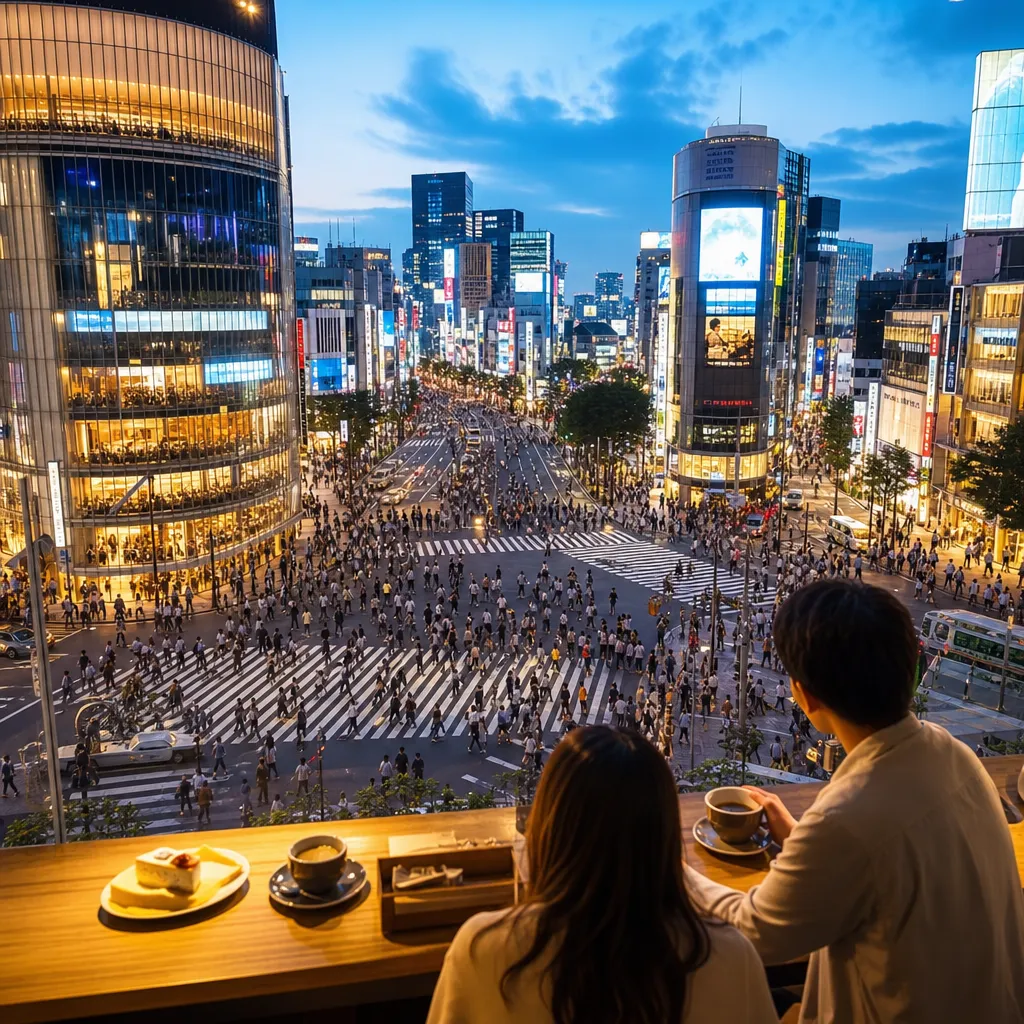
Begin with the Shibuya side, move through Harajuku and Meiji Jingu, then finish in Shinjuku for views, food, or nightlife. This gives you a full contrast between contemporary commercial Tokyo and shrine woodland space.
Day 3: Akihabara, Kanda or Jimbocho, Evening in Ikebukuro or Nakano
This works well if you want subculture, bookstores, curry, game arcades, or simple city wandering. Choose Ikebukuro for a big commercial hub feel, or Nakano for a more compact evening scene.
FAQ
What area of Tokyo is best for backpackers?
Asakusa and Ueno are often the easiest choices because they combine relatively good-value accommodation with strong transport links and plenty of low-cost food. Shinjuku is better if nightlife and late evenings matter most.
Is Tokyo safe for solo backpackers?
Tokyo is generally considered very safe for solo travelers, including solo women, but normal city precautions still apply. On trains, in nightlife zones, and when handling luggage, stay alert as you would in any major city.
Do I need to book hostels in advance?
Yes, especially in spring, autumn, holiday periods, and weekends. The best-located budget stays in districts like Asakusa and Ueno can fill quickly.
What is the cheapest way to eat well in Tokyo?
Mix casual chains, supermarket meals, simple noodle shops, curry shops, and lunch specials. This gives you much better variety than relying only on convenience stores.
How many days do backpackers need in Tokyo?
Three full days is enough for a first practical overview, but five to seven days lets you explore neighborhoods at a better pace and include slower areas beyond the standard list.
Can I get around Tokyo without speaking Japanese?
Yes. Major stations, transport systems, and many restaurant machines or menus provide enough English support for independent travel. Smaller local places may be more limited, but basic courtesy and translation tools usually go a long way.
What should I check before visiting budget attractions or observation decks?
Check current opening information, any admission changes, and whether advance booking is now used. This matters especially for museums, special exhibitions, and city-view facilities.
Is Tokyo good for backpackers on rainy days?
Very much so. Museums, department stores, arcades, covered shopping streets, bookstores, and station-connected food areas make the city easier in bad weather than many destinations.
Sources
- GO TOKYO (Tokyo Convention & Visitors Bureau)
- Japan National Tourism Organization
- Tokyo Metropolitan Government