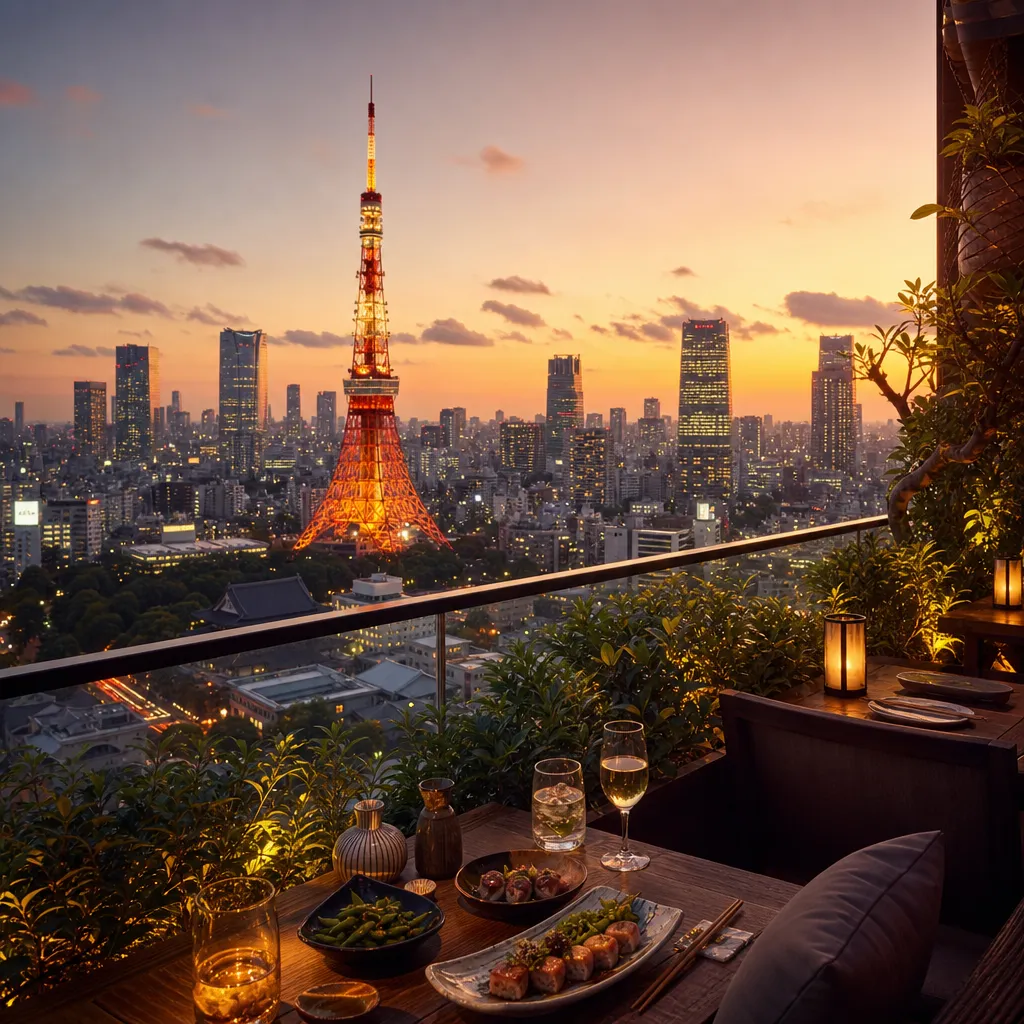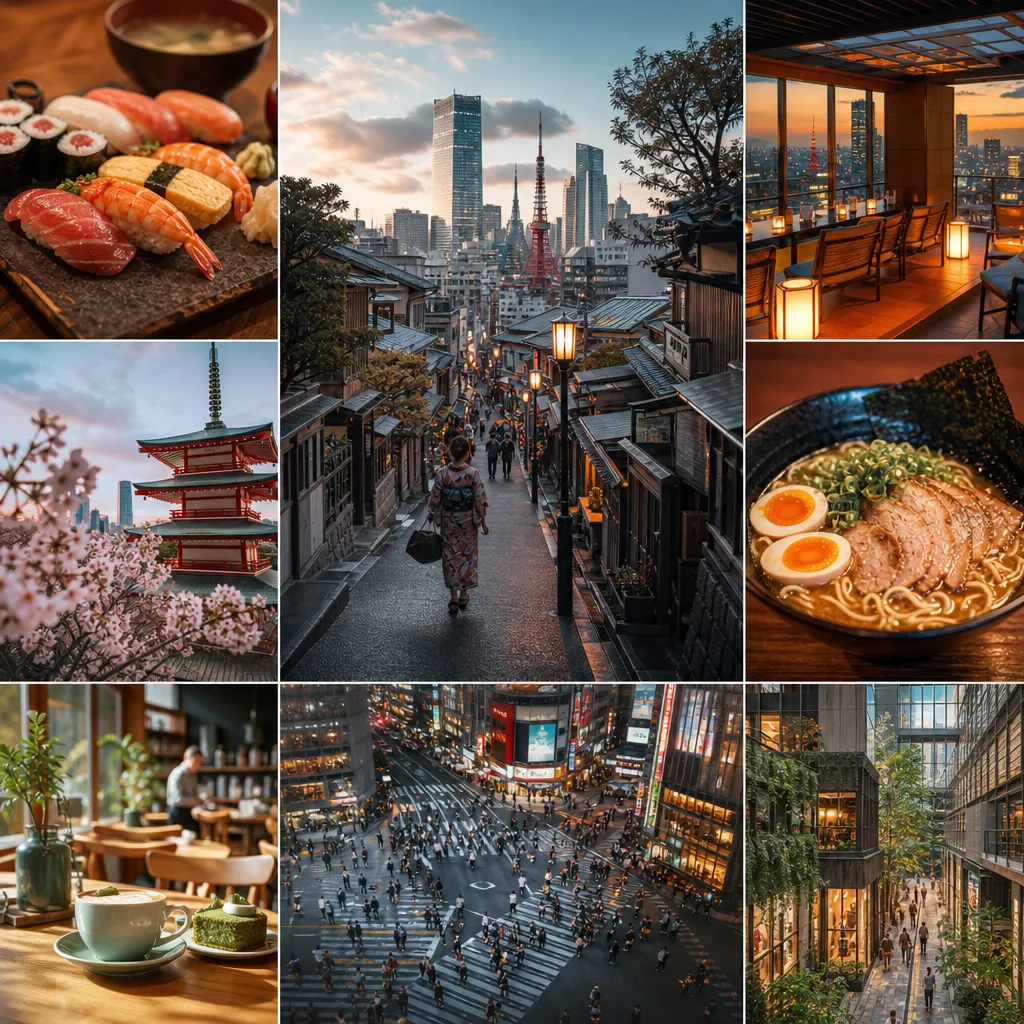
Tokyo rewards people who plan meals by neighborhood rather than by a single “best restaurant” list. The city is huge, rail-connected, and intensely local, so a great food day often means knowing what to eat in Ginza versus Asakusa, Shinjuku, Ueno, or Kiyosumi-Shirakawa. This guide focuses on practical choices: where to go, what each area does well, how formal or casual it feels, and what matters before you show up. Use it to build realistic days around sushi breakfasts, ramen lunches, kissaten coffee breaks, yakitori dinners, and late-night bars.
Food in Tokyo ranges from counter-only specialists to polished department-store dining floors and old-school neighborhood shops. Reservations matter at some places, but many of the city’s most satisfying meals are still casual if you pick the right time and area. The key is matching the meal to the district and knowing what kind of experience you are actually looking for.
How to Use This Tokyo Food Guide
If you are staying in central Tokyo, it helps to divide meals by zone. Ginza and Nihonbashi suit polished sushi, department-store food halls, and business-lunch settings. Asakusa and Ueno are better for traditional snacks, soba, market-style browsing, and older Tokyo atmosphere. Shibuya, Ebisu, and Nakameguro work well for café hopping, natural wine, and dinner that rolls into drinks. Shinjuku and Ikebukuro are strong for variety, convenience, and late-night eating. Kiyosumi-Shirakawa and Kuramae fit slower coffee-and-bakery mornings.
For transport, most visitors will rely on JR lines, Tokyo Metro, and Toei Subway. Rather than crossing the city for every famous shop, cluster meals near major stations you already plan to use. Tokyo rewards that approach.
| Place | Area | Best For | Price Level | Key Feature |
|---|---|---|---|---|
| Toyosu Market | Toyosu, Koto City | Seafood breakfast | Varies | Market dining and seafood specialists |
| Sushi no Midori | Ginza area and other branches | Accessible sushi | Moderate | Well-known for good-value sushi sets |
| Fuunji | Shinjuku | Tsukemen | Budget to moderate | Dense dipping broth at a specialist shop |
| Rokurinsha | Tokyo Station area | Convenient ramen stop | Budget to moderate | Easy to combine with rail travel |
| Kanda Matsuya | Kanda | Traditional soba | Moderate | Historic atmosphere and classic Edomae-style soba culture |
| Torikizoku | Multiple districts | Casual yakitori | Budget | Simple chain option for groups and late dinners |
| Yanaka Ginza | Yanaka, Taito area | Street snacks | Budget to moderate | Retro shopping street with casual food stops |
| Koffee Mameya | Omotesando | Serious coffee tasting | Moderate | Coffee-focused experience near Harajuku/Omotesando |
Best Areas for Different Kinds of Meals
Ginza and Nihonbashi for polished dining
These central districts are convenient for visitors staying near Tokyo Station or using the Ginza and Marunouchi lines. You will find sushi counters ranging from accessible chains to high-end omakase, excellent depachika food halls, and refined cafés inside department stores. This area suits lunch after shopping, a businesslike dinner, or a carefully planned splurge.
Asakusa and Ueno for older Tokyo flavors
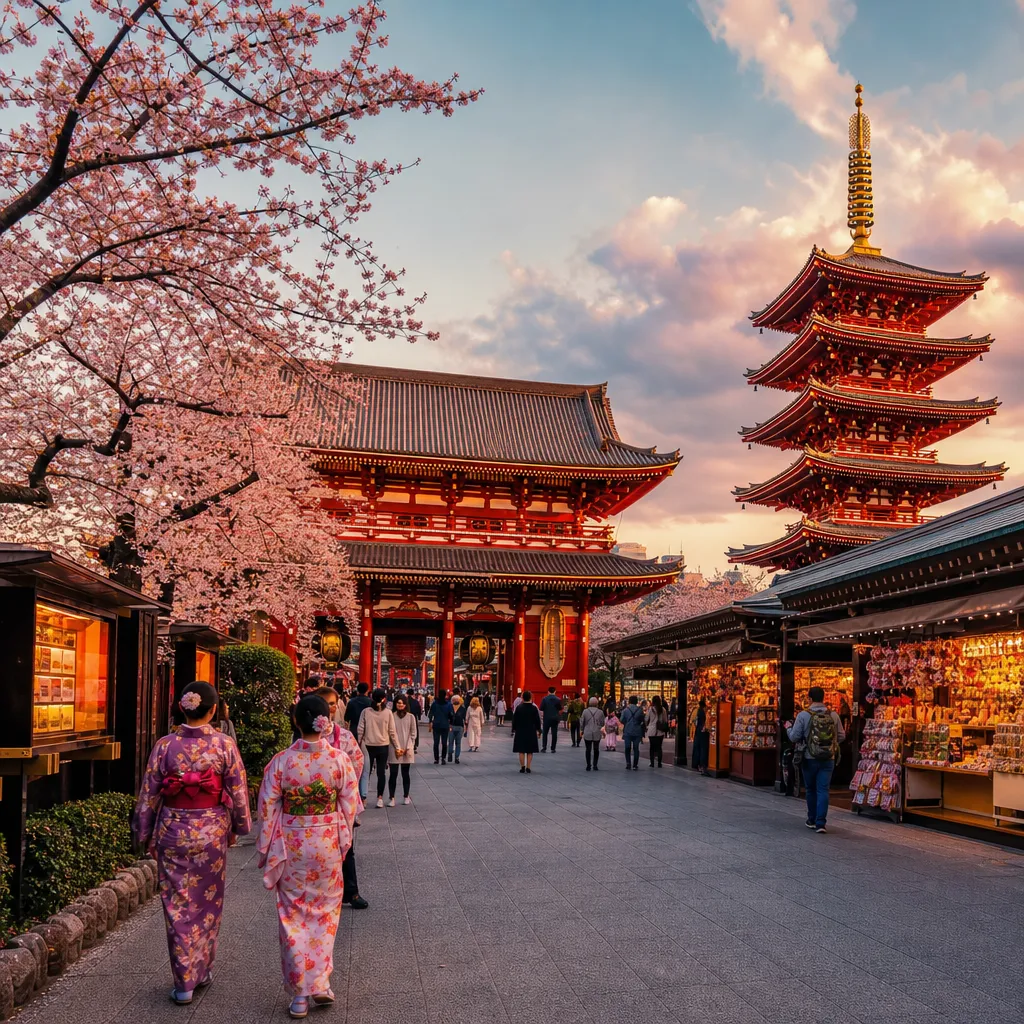
Asakusa, in Taito City, is a good place for traditional sweets, tempura, soba, and snack-oriented walking. Ueno adds market energy around Ameya-Yokocho, plus easy access from JR lines. These districts are practical for daytime eating and are especially good if you want food with a stronger old-Tokyo feel rather than polished nightlife.
Shinjuku and Shibuya for convenience and range
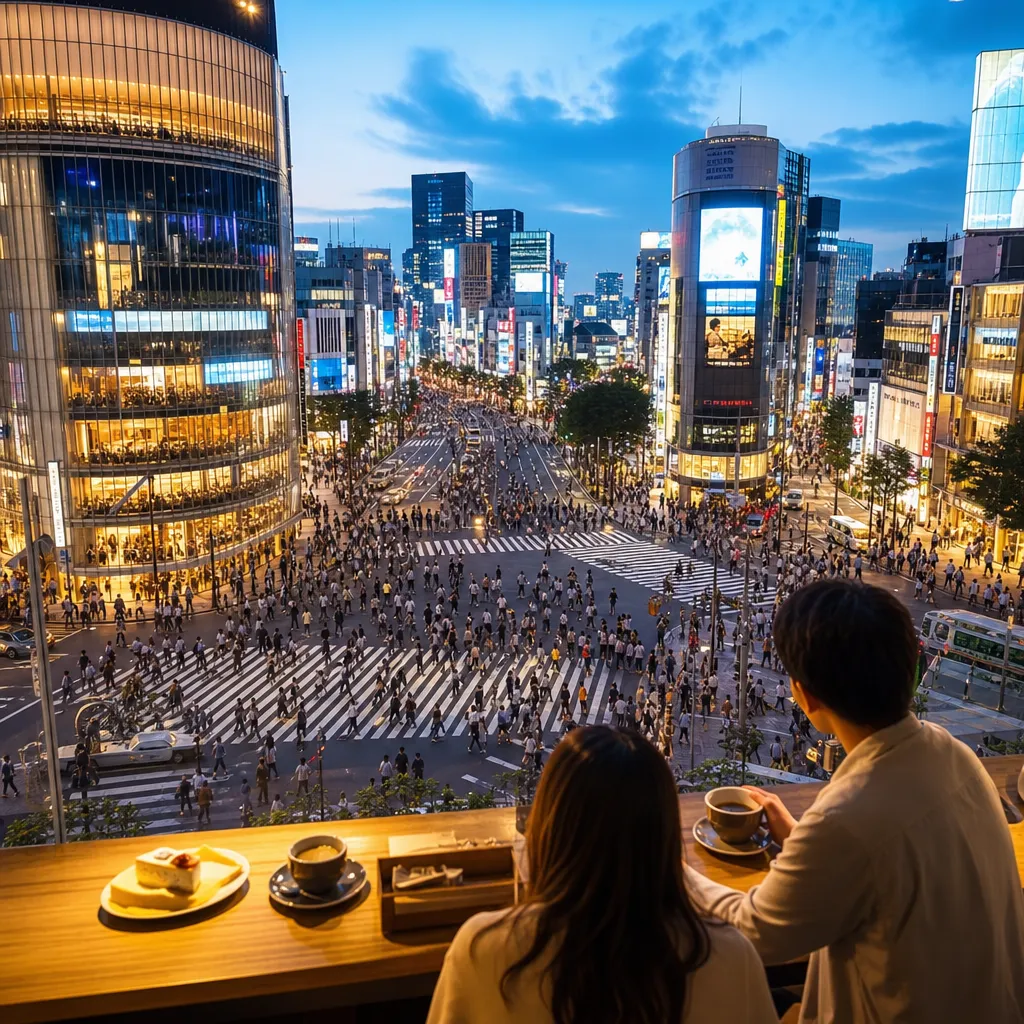
Both are major transport hubs in western central Tokyo. Shinjuku is excellent for ramen, izakaya floors in big buildings, and late dinners after sightseeing or train travel. Shibuya gives you chain comfort, fashionable cafés, standing bars, and a lot of choice packed into a compact area. If your group cannot agree on a cuisine, these are the easiest fallback districts.
Nakameguro, Ebisu, Kiyosumi-Shirakawa, and Kuramae for café-first days
These areas are better when you want a slower rhythm. Nakameguro and Ebisu work well for lunch-to-dinner wandering, while Kiyosumi-Shirakawa in eastern Tokyo has become one of the city’s strongest coffee neighborhoods. Kuramae, near the wider Asakusa side of town, combines cafés, bakeries, and small craft-oriented shops.
Where to Eat Sushi Without Making It Complicated
Sushi in Tokyo spans conveyor-belt chains, neighborhood counters, standing sushi, department-store dining floors, and formal omakase. For many visitors, the most practical middle ground is choosing a reputable, mid-range place in a central district rather than chasing a hard-to-book elite counter.
Toyosu Market
In Toyosu, Koto City, this is the obvious seafood destination for early risers. It is farther from the classic sightseeing core than Tsukiji once was, but still straightforward by public transport. The appeal is not just the market itself but the concentration of seafood-focused dining. Go early, expect an operational market environment rather than a romantic old alleys atmosphere, and check current visitor rules before visiting.
Sushi no Midori
Often recommended because it sits in the practical middle: more special than conveyor-belt sushi, but far easier to approach than elite counters. The Ginza area branch is especially useful if you are shopping or staying near Tokyo Station. It suits travelers who want a recognizable, well-organized sushi meal without committing to a very expensive omakase. Queues can happen, especially at prime meal times.
Standing sushi and department-store options
If time matters more than ceremony, look for standing sushi restaurants in business districts such as Shimbashi or around Tokyo Station, or use restaurant floors in established department stores in Ginza and Nihonbashi. These places are practical for solo travelers and short lunch windows. A standing format usually means a quicker, less formal meal, and it helps if your group is comfortable with a compact dining space.
Ramen Worth Planning Around
Tokyo’s ramen scene is too large to reduce to one style. Instead, pick by format: rich tonkotsu, clear shoyu, tori paitan, or tsukemen. Also be realistic about lines. A famous bowl can cost you most of your lunch hour.
Fuunji, Shinjuku
Near the Shinjuku transport area, Fuunji is one of the city’s best-known tsukemen specialists. It makes sense if you are already in Shinjuku for shopping, observation decks, or rail connections. Expect a focused meal rather than a leisurely one. It suits solo diners well and is most practical outside the busiest lunch rush.
Rokurinsha, Tokyo Station area
A strong option inside the wider Tokyo Station food ecosystem, especially for travelers arriving by Shinkansen or changing trains. It is known for tsukemen and is useful precisely because it is so convenient. If you do not want to leave the station area for a ramen stop, this is one of the easiest quality choices.
Afuri, Ebisu and other branches
Afuri is widely approachable for visitors who want a lighter style than very heavy pork-bone ramen. The Ebisu connection makes sense if you are exploring the southwestern central districts. It works for couples or mixed groups because the flavor profile is generally less intimidating for first-time ramen eaters.
For ramen anywhere in the city, many shops still use ticket machines. Have cash or card ready if accepted, decide your order before blocking the machine, and eat efficiently once seated.
Traditional Tokyo Comfort Food: Soba, Tempura, Tonkatsu
Kanda Matsuya, Kanda
Kanda, northeast of the Imperial Palace area, is ideal for old-school soba culture. Kanda Matsuya is one of the classic names, known as much for atmosphere as for the noodles themselves. It suits visitors interested in culinary history rather than trend-chasing. Pair it with nearby bookstore browsing in Jimbocho or a walk through central eastern neighborhoods.
Tempura around Asakusa
Asakusa has long been associated with traditional Edo-style foods, including tempura. This area is best if you want a meal that fits a temple-and-river day rather than contemporary dining culture. Tempura restaurants here range from long-established formal rooms to more relaxed options. Lunch is often the easiest entry point if you want the experience without committing to a higher-end dinner budget.
Tonkatsu in Ginza and western hubs
Tonkatsu is available across the city, but central business and shopping areas often have dependable specialist shops on upper floors of commercial buildings and department-store restaurant levels. This is one of the easiest meals for travelers who want a clear menu structure and familiar comfort. Look for lunch sets if you want a more economical introduction.
Yakitori, Izakaya, and Dinner That Turns Into Evening Drinks
For a distinctly urban evening, plan around yakitori or izakaya neighborhoods rather than a single famous venue. Atmosphere matters as much as the skewers.
Omoide Yokocho, Shinjuku
This alley cluster near Shinjuku is one of the best-known places for compact yakitori and drinking establishments. It is central, atmospheric, and easy to add to a Shinjuku evening. The trade-off is limited space, smoke, and variable comfort. It fits solo travelers, couples who do not mind close quarters, and visitors seeking a classic post-work Tokyo mood more than a calm dinner.
Shimbashi
South of Ginza and highly convenient from central Tokyo, Shimbashi remains one of the strongest areas for after-work izakaya culture. It is less polished than Ginza and more grounded in office-worker dining patterns. This is a good area if you want grilled skewers, beer, and a lively but not especially tourist-designed nightlife scene.
Torikizoku
This major yakitori chain is not a destination in the same sense as a specialist counter, but it is practical, widespread, and useful for budget-conscious groups. Because branches are spread across major hubs, it can rescue an evening when more sought-after places are full. Expect a casual chain atmosphere rather than craftsmanship-focused dining.
At small izakaya, expect table charges or small appetizer service in some cases. This is normal. If a place is extremely compact, large suitcases or strollers will be inconvenient.
Cafés, Matcha, and Dessert Stops That Fit a Real Itinerary
Koffee Mameya, Omotesando
In the Omotesando area, near the Harajuku side of central Tokyo, Koffee Mameya is best for travelers who care deeply about beans, brewing, and guided coffee selection. It is not just a casual sit-down coffee break in the standard chain-café sense. Combine it with architecture walking in Omotesando or shopping in Aoyama.
Blue Bottle Coffee, Kiyosumi-Shirakawa
Kiyosumi-Shirakawa in Koto City is one of the city’s most useful coffee districts. The neighborhood has a warehouse-to-café character and suits slower mornings. Blue Bottle helped international visitors notice the area, but the larger point is that this district works well if you want coffee-first planning away from the biggest tourist centers.
Sakurai Japanese Tea Experience, Omotesando area
If you want matcha and tea handled in a more specialized, contemporary way, this is a stronger choice than simply ordering a sweet matcha latte somewhere random. It suits travelers who want tea treated with the seriousness that coffee specialists bring to beans. Check current reservation and service details before building your day around it.
Kissaten in Ueno or Jimbocho
For an older Tokyo café mood, traditional kissaten are a better fit than modern specialty coffee. Ueno and Jimbocho are both good districts for this style. Expect slower service, classic drinks, and a more nostalgic interior language. These are ideal on rainy afternoons or between museum visits and bookstore browsing.
Street Food, Markets, and Food Halls
Ameya-Yokocho, Ueno
Near Ueno Station, Ameya-Yokocho is more market street than polished food destination, but that is its strength. You come for browsing, snacks, and crowd energy rather than a single definitive meal. It works best in daytime or early evening, and it is easy to combine with Ueno Park museums.
Yanaka Ginza
In the Yanaka area, not far from Nippori and Sendagi access points, this shopping street is better for neighborhood snacking than formal dining. The pace is slower than Ueno or Asakusa, and the surrounding district keeps more of a low-rise, residential feel. Good for travelers who prefer local-scale wandering and casual food purchases rather than headline restaurants.
Depachika in Ginza, Nihonbashi, and Shinjuku
Department-store basement food halls are one of the most reliable ways to eat well in Tokyo with minimal stress. They are excellent for takeaway picnics, hotel-room dinners, gifts, and comparison shopping across sweets, bento, fried foods, bakery items, and regional specialties. They are especially useful on arrival days, rainy days, and train-transfer days.
Practical Booking, Timing, and Etiquette Tips
- Reserve when the meal is the destination. For omakase, specialized yakiniku, or highly publicized counters, booking ahead matters.
- Walk in for ramen, soba, tonkatsu, and casual sushi. It is often realistic, but off-peak timing helps.
- Lunch is your value window. In many districts, lunch is the easiest way to try more formal places at a lower cost than dinner.
- Travel light. Small counters and alleyway restaurants rarely handle bulky luggage well.
- Do not assume English, but do assume systems. Ticket machines, plastic food displays, picture menus, and set meals make many places manageable without much Japanese.
- Check current closures. Independent restaurants may close irregularly, and some keep limited days or sell out early.
FAQ
What area of Tokyo is best for first-time food visitors?
If you want convenience and range, start with Shinjuku, Shibuya, Ginza, or the Tokyo Station area. If you want more traditional atmosphere, Asakusa and Ueno are easier starting points.
Do I need reservations for restaurants in Tokyo?
For casual ramen, soba, tonkatsu, and many chain or mid-range places, often no. For omakase sushi, tasting-menu restaurants, and well-known small counters, yes, reservations are often important.
What is the best time of day to visit Toyosu Market?
Morning is the most practical time, especially if your main goal is a seafood breakfast and a market atmosphere. Check current visitor information before going, because access rules and operating patterns can change.
Is Tokyo good for solo diners?
Very much so. Ramen counters, soba shops, standing sushi, kissaten, and department-store dining floors all work well for solo travelers.
Can families eat well in Tokyo without booking expensive restaurants?
Yes. Department stores, food halls, casual sushi chains, tonkatsu shops, family-friendly restaurant floors, and larger station-area venues are usually easier with children than tiny yakitori alleys or compact bars.
Are vegetarian options easy to find?
They are easier than in the past but still require planning, especially for ramen broths, dashi, and set meals. Specialized vegetarian restaurants and clearly labeled modern cafés are the safest choices.
How do I plan a food day without wasting time on trains?
Choose one or two neighboring districts and eat within them: for example, Ueno plus Yanaka, Ginza plus Tokyo Station, or Omotesando plus Shibuya. Tokyo is large enough that neighborhood clustering matters.
What should I check before visiting a specific restaurant?
Confirm current opening days, reservation method, cashless or cash policy, and whether the place is lunch-focused, dinner-focused, or likely to sell out.
Sources
- GO TOKYO (Tokyo Convention & Visitors Bureau)
- Japan National Tourism Organization
- Toyosu Market official information