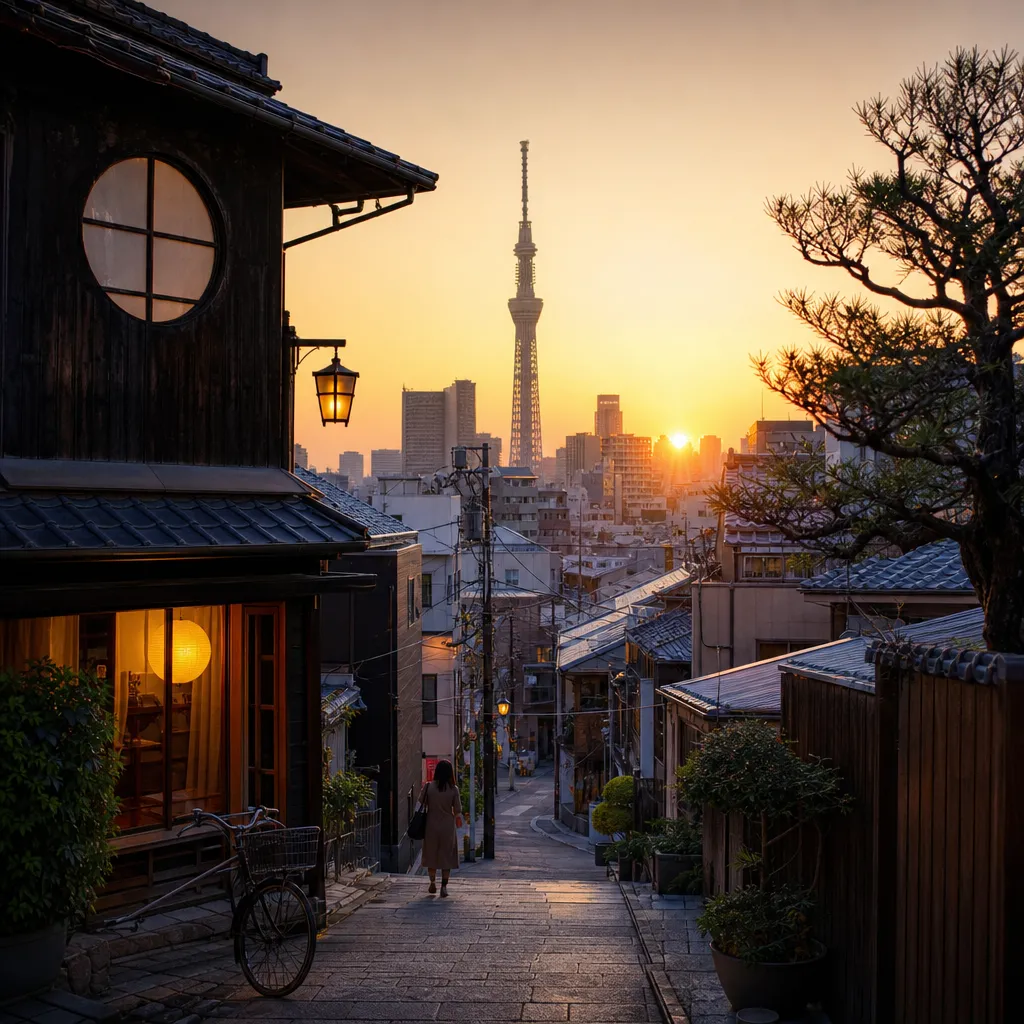
Tokyo’s better-known sights are easy to find; the harder part is identifying places that feel distinctive without wasting time on overhyped detours. A useful hidden-gems guide should focus on real neighborhoods, smaller museums, overlooked gardens, historic streets, and specialist shops that are practical to reach and rewarding on the ground. The places below are not secret in the literal sense, but they are consistently missed by first-time visitors who stay only in the standard Shibuya–Shinjuku–Asakusa loop. Together, they offer a quieter, more layered view of the city.
Most of these spots are in central Tokyo or just beyond it, and all are reachable by train or subway without complicated transfers. Several also combine well into half-day outings, especially if you want to slow down and experience local streets rather than only major landmarks.
Quick comparison: worthwhile lesser-known places across the city
| Place | Area | Best For | Type | Key Feature |
|---|---|---|---|---|
| Kiyosumi Gardens | Kiyosumi-Shirakawa, Koto | Quiet walking, classic landscape design | Garden | A refined Japanese stroll garden in a low-key neighborhood |
| Fukagawa Edo Museum | Koto | History in an accessible format | Museum | Life-size reconstruction of an Edo-period neighborhood |
| Yanaka Ginza | Yanaka, Taito | Traditional streetscape, casual food stops | Shopping street | A neighborhood shotengai with an older Tokyo atmosphere |
| Nezu Museum | Minami-Aoyama, Minato | Art plus architecture and garden time | Museum | Strong pre-modern Japanese and East Asian collection with a serene garden |
| Kagurazaka backstreets | Shinjuku ward | Strolling, dining, old-meets-modern atmosphere | Neighborhood | Stone lanes, small eateries, and a more intimate urban feel |
| Tokyo Photographic Art Museum | Ebisu area, Meguro | Photography and film | Museum | One of the city’s best specialist museums in Yebisu Garden Place |
| Jiyugaoka | Meguro ward | Independent shopping and cafés | Neighborhood | Low-rise streets with a more residential pace |
| Institute for Nature Study | Shirokanedai, Minato | Urban nature, quiet walks | Nature reserve | A protected woodland landscape inside the city |
Kiyosumi-Shirakawa: gardens, coffee, and a calmer east-side pace
Kiyosumi-Shirakawa, in Koto ward, is one of the easiest places to recommend to visitors who want a quieter side of the city without going far out. It sits east of central Tokyo and is convenient by subway, with Kiyosumi-shirakawa Station as the main transport base. The district feels more spacious than many inner-city areas, with warehouses, canals, modern cafés, and pockets of old Tokyo character.
Kiyosumi Gardens
This is one of the city’s best classic Japanese gardens and often less crowded than more famous landscaped sites. It is designed around a large pond with stepping stones, carefully placed rocks, and excellent seasonal scenery. It suits solo travelers, couples, and photographers who prefer subtle compositions over skyline shots.
Go in the morning or late afternoon for softer light and a quieter atmosphere. It works especially well paired with a café stop nearby rather than as a stand-alone trip.
Fukagawa Edo Museum
Also in the wider Kiyosumi area, this museum is one of the most practical overlooked history stops in the city. Instead of long text-heavy galleries, it presents a reconstructed Edo-period streetscape at life size, making it easy to understand everyday urban life in earlier Tokyo. Families and first-time visitors often find it more approachable than larger historical museums.
Allow enough time to walk through slowly and notice the domestic details. Check current exhibition and admission information in advance, as museum schedules can change.
Yanaka: one of the best neighborhoods for old Tokyo atmosphere
Yanaka, in Taito ward near Nippori and Sendagi, is often described as preserving an older urban mood, and that reputation is justified. It survived wartime destruction better than many parts of the city, so the streetscape still includes temples, wooden houses, local shops, and narrow lanes that feel very different from Tokyo’s glass-and-neon image.
Yanaka Ginza
This traditional shopping street is not remote, but it still feels neighborhood-scale rather than destination retail. You come here for informal browsing, snacks, and street photography rather than luxury shopping. It is a good stop for travelers who enjoy watching daily life and who want a softer, slower urban experience.
Weekday daytime visits are usually more relaxed than weekends. Because this is a residential area, it is best to keep noise down on side streets and avoid treating every alley as a photo set.
Yanaka Cemetery and temple lanes
Nearby lanes around the cemetery and temple district are worth exploring respectfully. The atmosphere here is quiet and reflective rather than dramatic. In cherry blossom season, the area becomes notably more popular, but outside peak periods it remains one of the most contemplative walks in the city.
This part of Tokyo works well for travelers comfortable with unstructured wandering. You do not need a detailed itinerary; the area rewards simply moving on foot between small discoveries.
Nezu Museum: art, architecture, and a hidden-feeling garden in Aoyama
In Minami-Aoyama, not far from the Omotesando area, the Nezu Museum offers one of the city’s best combinations of collection, building design, and garden space. Although the Aoyama address is central, the experience feels insulated from the traffic and shopping energy outside. The museum is especially useful for visitors who want culture in a manageable format rather than an all-day institution.
The collection focuses on pre-modern Japanese and East Asian art, with rotating displays from an important holding. Even if you are not deeply specialized in the subject, the setting is rewarding: the approach, the architecture, and the garden create a calm sequence that feels carefully considered.
This is a strong choice on a rainy day as well as in mild weather. It suits art-minded travelers, couples, and anyone combining Omotesando with a quieter cultural stop. As with most museums in the city, check the current exhibition schedule before visiting rather than assuming gallery access is unchanged.
Kagurazaka: narrow lanes, refined food, and a different side of central Tokyo
Kagurazaka, in Shinjuku ward near Iidabashi, is one of central Tokyo’s most rewarding areas for visitors who like to explore on foot. The main street is active and easy to navigate, but the area’s real appeal lies in the backstreets: stone-paved lanes, tucked-away restaurants, small bars, and a built environment that feels more intimate than the major entertainment districts.
Historically associated with geisha culture and long influenced by French residents and institutions, the neighborhood mixes upscale dining, bakeries, everyday shops, and hidden corners in a way that feels distinct from trend-driven districts. It is less a checklist destination than a place to wander, especially from late afternoon into evening.
This is a particularly good area for dinner if you want a more local and less overwhelming night out than Shinjuku or Shibuya. Some restaurants are small and reservation-oriented, especially for higher-end washoku or specialist dining, so it is sensible to plan ahead if there is a specific place you want. Casual cafés and bakeries are easy to fit into a daytime stroll.
Tokyo Photographic Art Museum: one of the city’s strongest niche museums
In the Ebisu area within Yebisu Garden Place, the Tokyo Photographic Art Museum is an excellent choice for travelers interested in photography, moving image, and contemporary visual culture. It is less internationally famous than headline museums in Ueno or Roppongi, but it is one of the most consistently worthwhile specialist institutions in the city.
The setting also helps. Yebisu Garden Place is cleaner-lined and less hectic than many commercial complexes, so visiting the museum can feel like a deliberate half-day cultural outing rather than an errand between shopping stops. The museum suits photographers, design-minded travelers, and visitors looking for a strong indoor option in bad weather.
Because this is an exhibition-driven museum, the exact content changes. Check what is on before you go, especially if you have a specific interest in documentary, fashion, architecture, or Japanese photography.
Jiyugaoka: small-scale shopping and café time without major-district pressure
Jiyugaoka, in Meguro ward in southwestern Tokyo, is a longtime favorite for independent retail, sweets, and café culture. It is not unknown, but it is still overlooked by travelers who focus only on the biggest central districts. The neighborhood atmosphere is part of the draw: lower-rise, walkable, and more residential in feel than places built around large stations and department stores.
This is a practical area for people who want leisurely shopping rather than flagship stores. You will find fashion, lifestyle goods, dessert shops, and side streets that encourage browsing. It tends to suit couples, friends, and solo travelers who enjoy spending a few hours without a rigid plan.
Weekends can be busy, but the district generally remains easier-going than the city’s highest-profile shopping zones. If your idea of a hidden gem is not a single landmark but a neighborhood with a different rhythm, Jiyugaoka is one of the best options.
Institute for Nature Study: a rare quiet green space in the inner city
Near Shirokanedai in Minato ward, the Institute for Nature Study is one of the city’s most unusual low-profile attractions. It is a protected natural area managed for conservation and research, and the atmosphere is notably different from ornamental parks or major gardens. Instead of landscaped spectacle, you get woodland paths, wetlands, and a sense of ecological quiet that is surprisingly hard to find in central Tokyo.
This is best for visitors who enjoy walking slowly, listening, and observing rather than checking off monuments. It is also a good option for repeat visitors who have already seen the major gardens and want a less formal green-space experience.
Because this is a protected site, visitors should expect more restrictions than in a standard park and should follow posted rules carefully. Go with realistic expectations: this is not a picnic lawn or a convenience-filled family park, but a place for gentle, respectful nature observation.
How to plan these places into real itineraries
Each of these spots works best when paired with its surrounding neighborhood rather than treated as an isolated stop.
- Kiyosumi-Shirakawa: combine Kiyosumi Gardens, Fukagawa Edo Museum, and café time.
- Yanaka: pair Yanaka Ginza with a wider temple-and-backstreet walk from Nippori or Sendagi.
- Aoyama: visit the Nezu Museum, then continue into Omotesando if you want architecture, shopping, or lunch.
- Kagurazaka: go in late afternoon, explore the side streets, and stay for dinner or drinks.
- Ebisu: use the Tokyo Photographic Art Museum as the core of a rainy-day or culture-focused half day.
- Jiyugaoka: keep the schedule loose and allow time for browsing rather than destination rushing.
- Shirokanedai: combine the Institute for Nature Study with nearby museum or garden visits in the broader area if desired.
For transport, a stored-value IC card or a transit app is usually enough. None of these places requires a taxi unless mobility or time is a major concern. The bigger practical issue is timing: quieter neighborhood spots are usually best in daylight, while Kagurazaka is especially rewarding from late afternoon onward.
What makes a place a genuine hidden gem in Tokyo
In a city this large, “hidden” rarely means unknown. More often, it means a place that reveals something essential about the city without heavy crowds or branding. A good overlooked Tokyo stop typically has one of three qualities: strong local context, a distinctive atmosphere, or practical depth once you arrive.
That is why a garden like Kiyosumi, a museum like Fukagawa Edo Museum, or a neighborhood like Yanaka feels more valuable than a novelty stop designed mainly for photos. They give you a better sense of how the city is layered: old and new, formal and casual, dense and unexpectedly quiet.
If you are choosing only two or three places from this list, pick according to mood rather than trying to cover the whole city. Kiyosumi-Shirakawa and Yanaka are best for atmosphere, Nezu Museum for culture and design, Kagurazaka for an evening out, and the Institute for Nature Study for true quiet.
What area of Tokyo is best for hidden gems?
Yanaka, Kiyosumi-Shirakawa, Kagurazaka, and Jiyugaoka are among the most rewarding areas because the appeal comes from the broader neighborhood, not just one landmark.
Do I need reservations for any of these places?
Most gardens, museums, and neighborhood walks do not require reservations, though some museums may have special exhibition policies. In Kagurazaka, reservations are often wise for smaller or more refined restaurants.
Are these places suitable for families?
Yes, especially Kiyosumi Gardens, Fukagawa Edo Museum, and Yanaka. The Institute for Nature Study works for families who are comfortable with a quiet, rules-based nature visit rather than a playground-style outing.
What is the best time of day to visit?
Morning and late afternoon are generally best for gardens and neighborhood walking. Kagurazaka is strongest in the late afternoon and evening, while museums are good flexible daytime options.
Can I visit these places without speaking Japanese?
Yes. Major transport access is straightforward, and museums and public attractions often provide at least some English support. In neighborhood shopping streets and smaller eateries, simple politeness and a translation app are usually enough.
Are these places far from central Tokyo?
Most are in central Tokyo or just beyond it. Even the calmer-feeling neighborhoods on this list are practical to reach by train or subway in the course of a normal sightseeing day.
Is photography allowed?
Outdoor neighborhood and garden photography is generally straightforward if done respectfully. Museums may restrict photography in galleries, and residential lanes should be treated carefully to avoid intruding on private life.
What should I check before visiting?
Check current museum exhibitions, garden or facility operating days, and restaurant reservation policies. Seasonal factors also matter, especially for blossoms, autumn color, and holiday crowds.
Sources
- GO TOKYO (Tokyo Convention & Visitors Bureau)
- Tokyo Metropolitan Park Association
- Japan National Tourism Organization