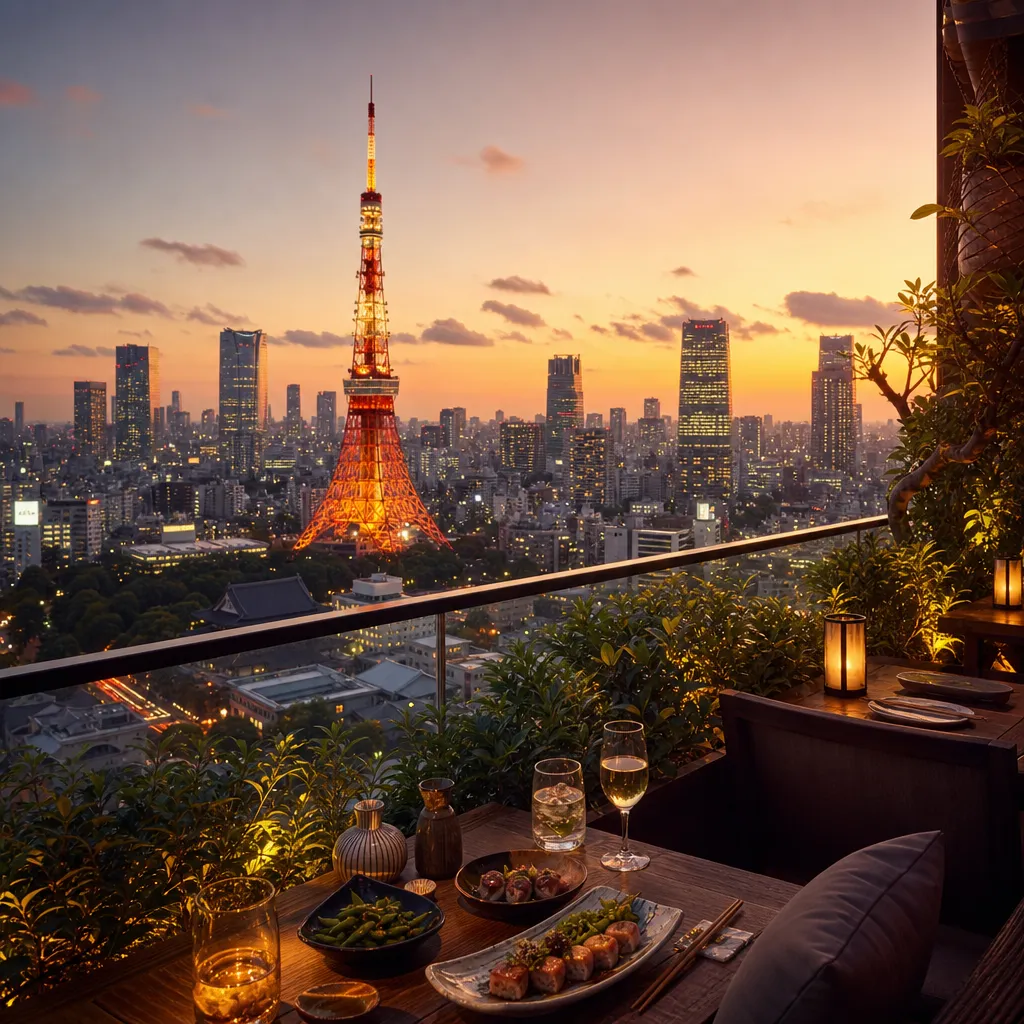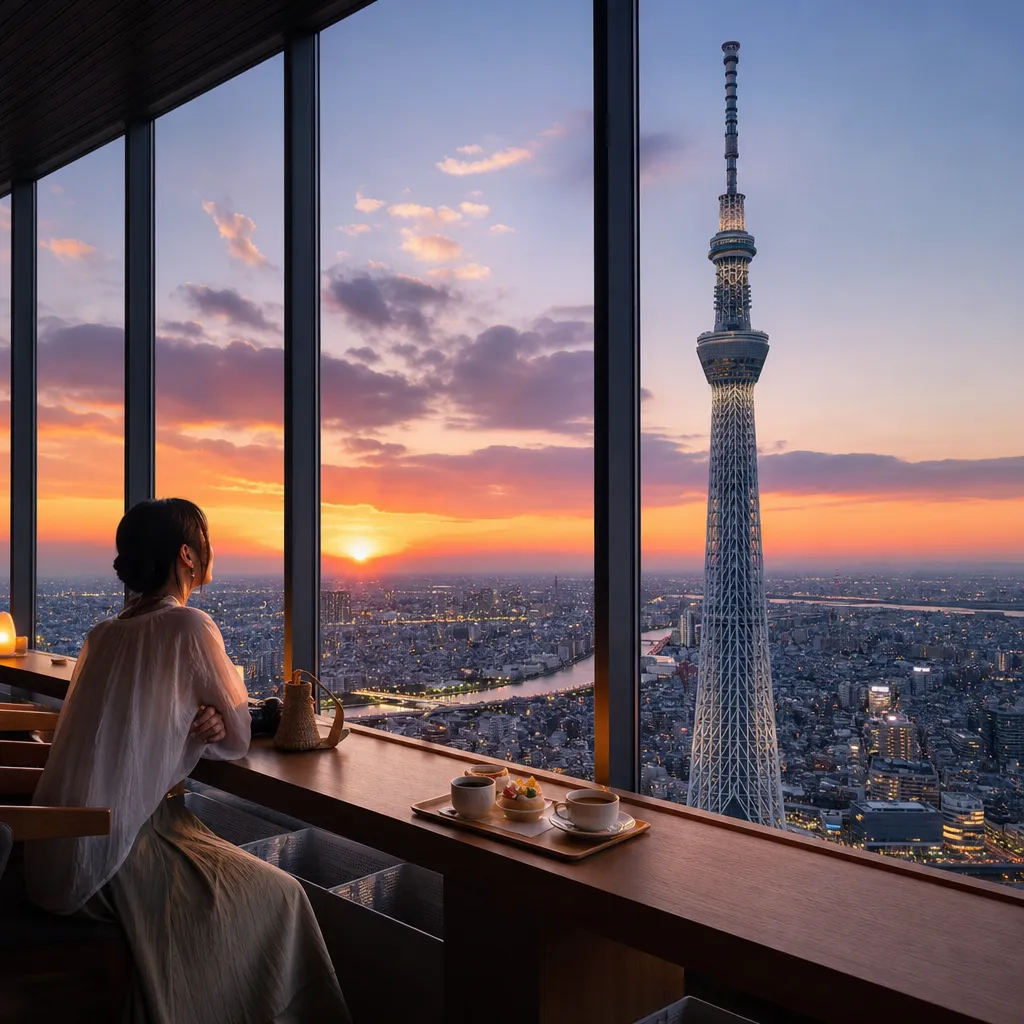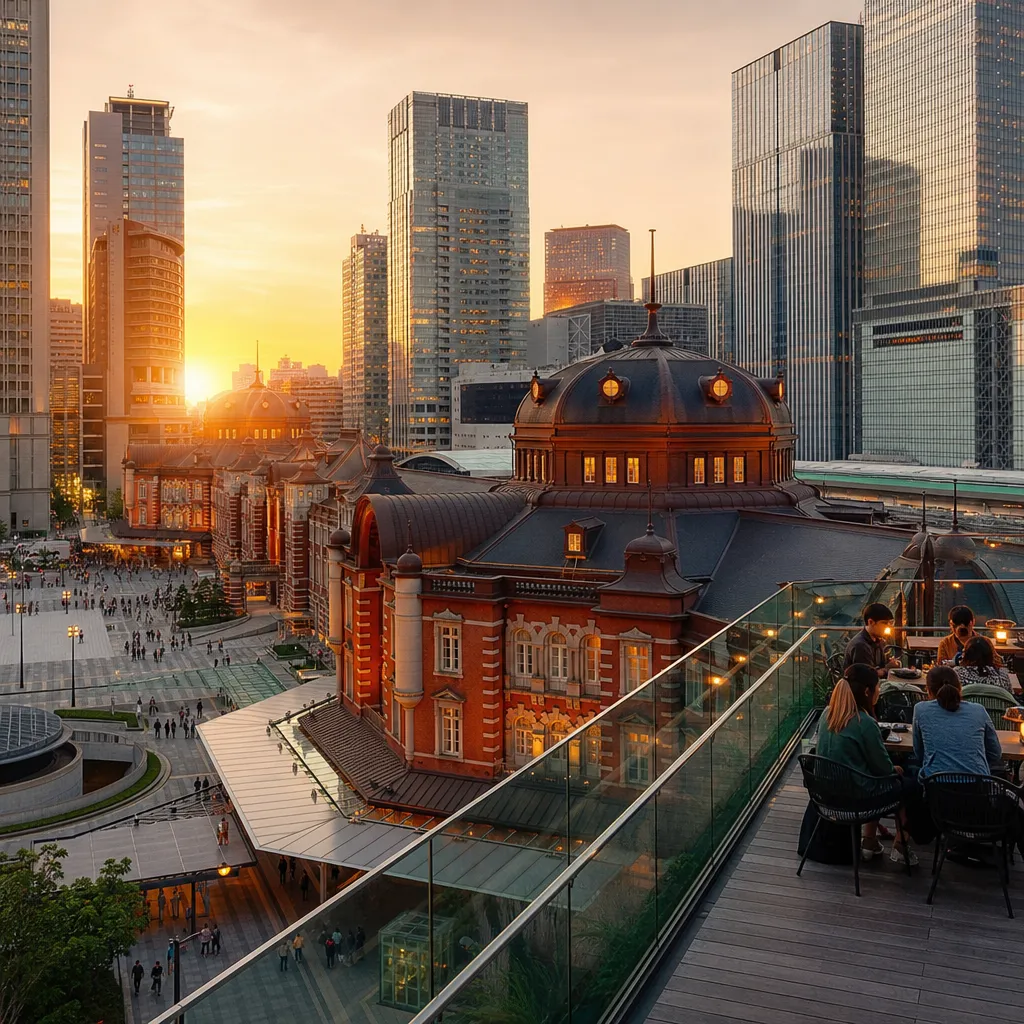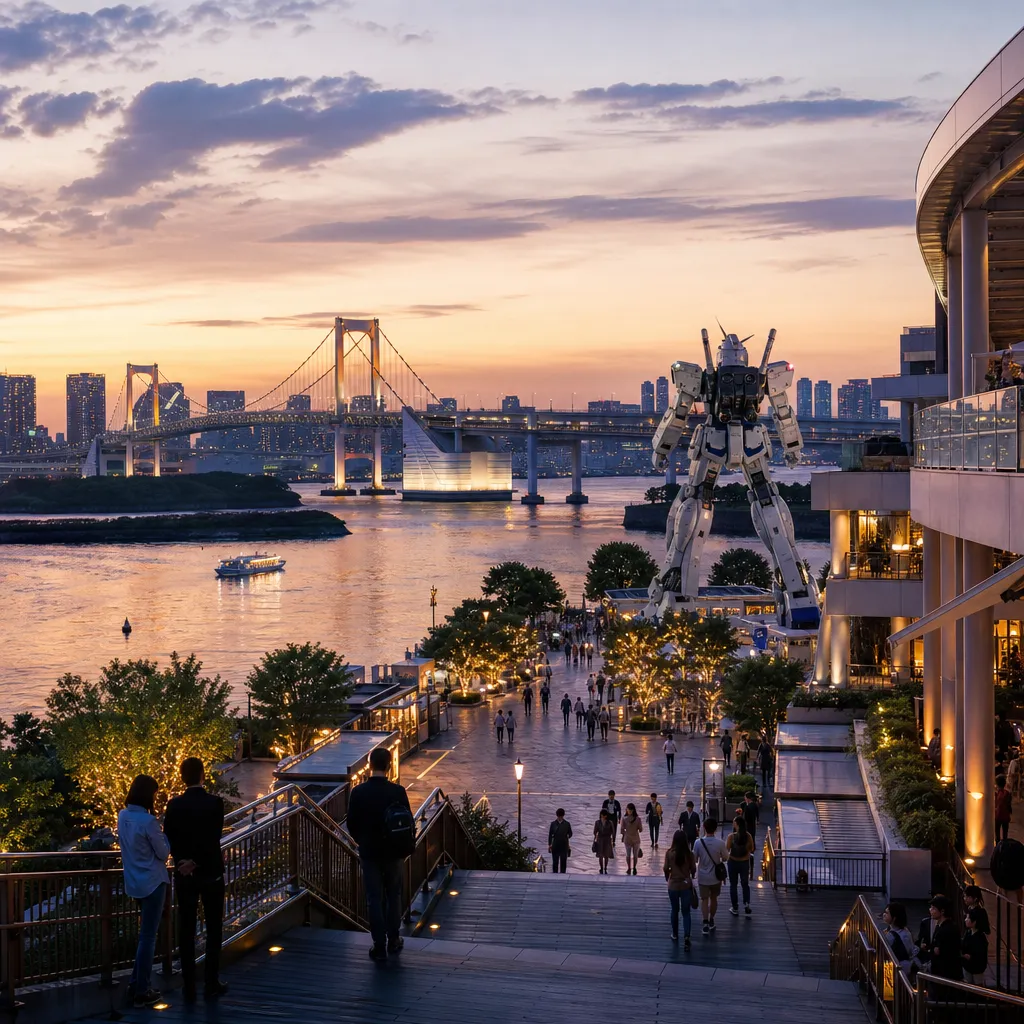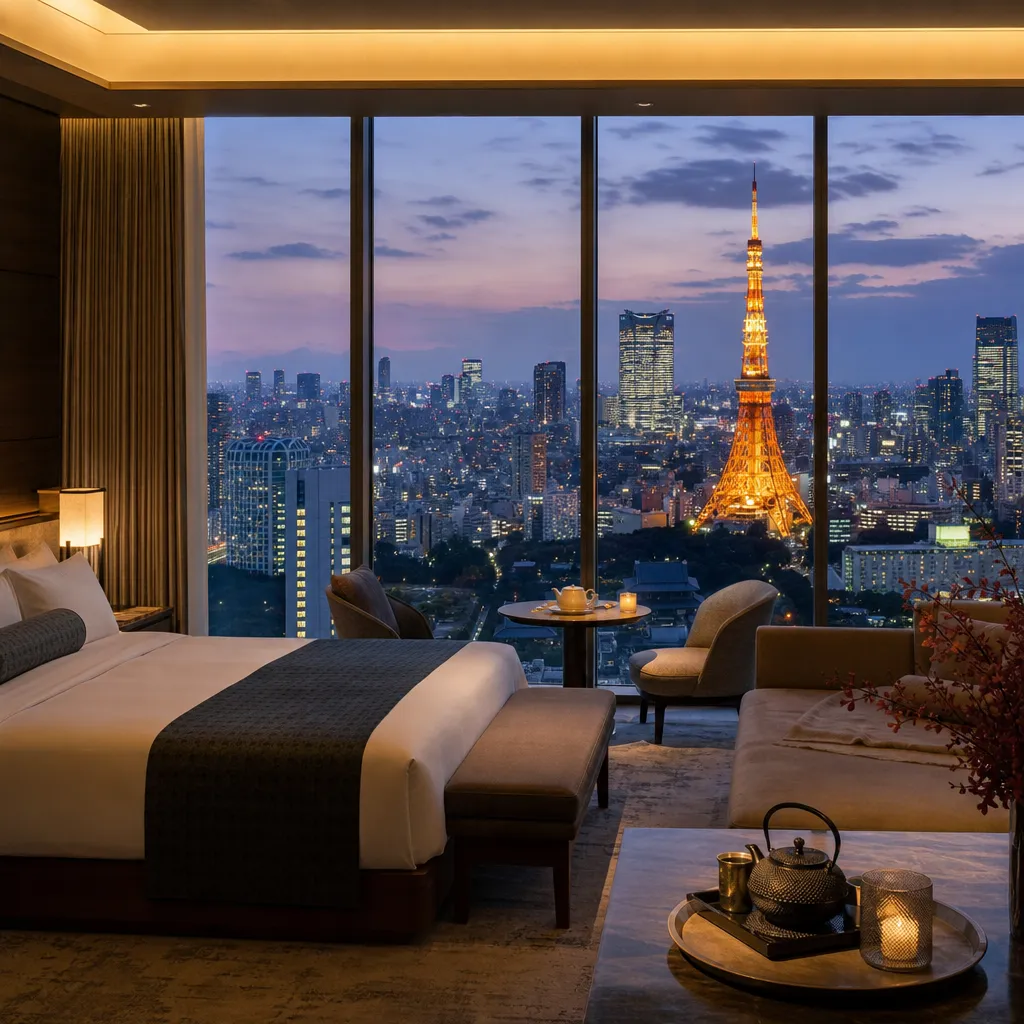
Choosing a hotel in Tokyo is less about finding one “best” property and more about matching the right neighborhood to the kind of trip you want. The city is large, rail travel is usually easy, and staying in the wrong area can add unnecessary transfers at the start and end of each day. Some visitors want classic luxury near Ginza, others want nightlife access in Shinjuku or Shibuya, and many first-time travelers are happiest somewhere with straightforward airport and train connections. The hotels below are not a complete list of every good option, but they are practical, well-known choices across different styles and budgets.
One useful rule: pick your area first, then your hotel. Tokyo hotels often trade space for location, so a compact room in the right district can be more convenient than a larger room far from your main plans. If you are arriving late, traveling with children, or carrying a lot of luggage, direct station access and easy airport transport matter more than they do in smaller cities.
How to Choose the Right Tokyo Hotel Area
Shinjuku works well for visitors who want big-city energy, extensive rail connections, department stores, and late dining options. It can feel intense, especially around the station, but it is practical for day trips and cross-city travel.
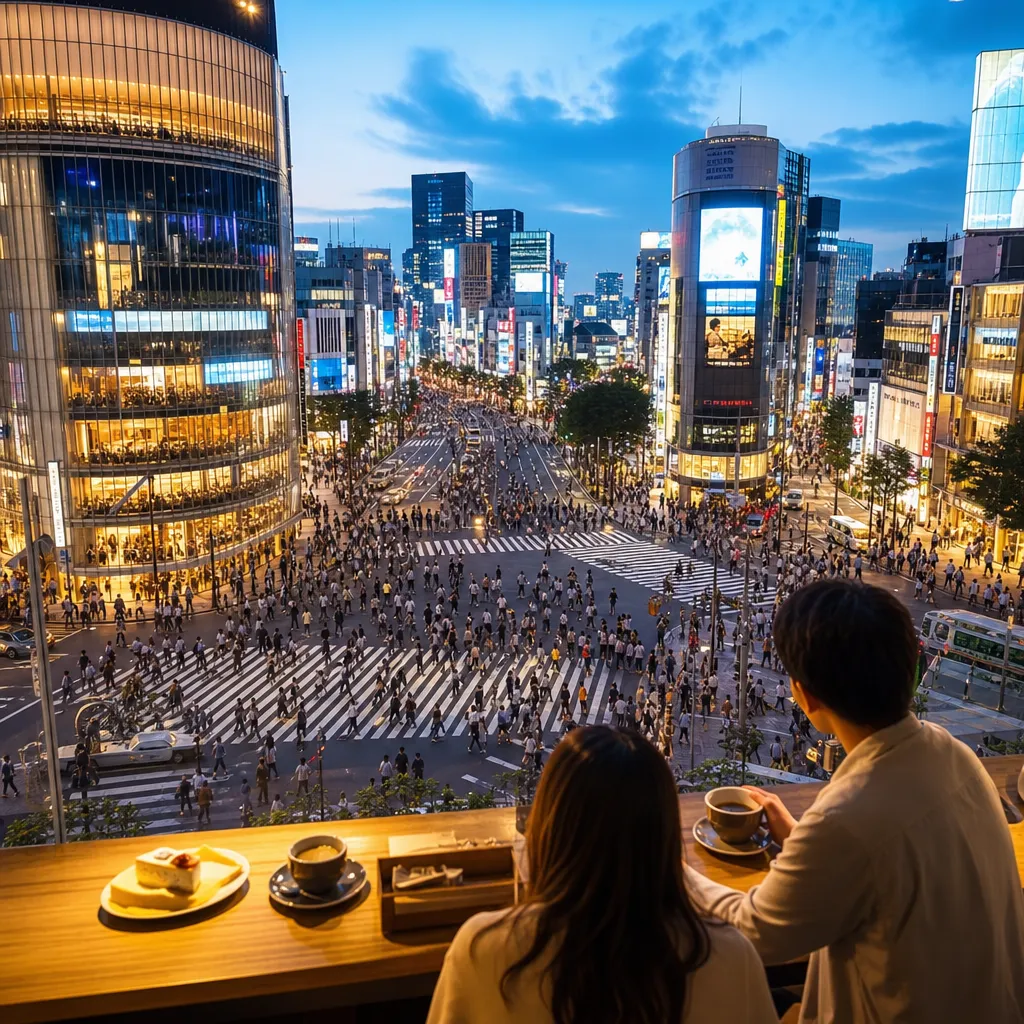
Shibuya suits travelers who want contemporary Tokyo, shopping, nightlife, and a younger street scene. It is especially convenient if you plan time in Harajuku, Omotesando, Daikanyama, or Nakameguro.
Ginza and Marunouchi appeal to travelers who prefer polished surroundings, strong hotel service, and easier airport bus or rail access. This part of central Tokyo is good for luxury stays, business trips, and visitors who want a calmer evening atmosphere than Shinjuku.
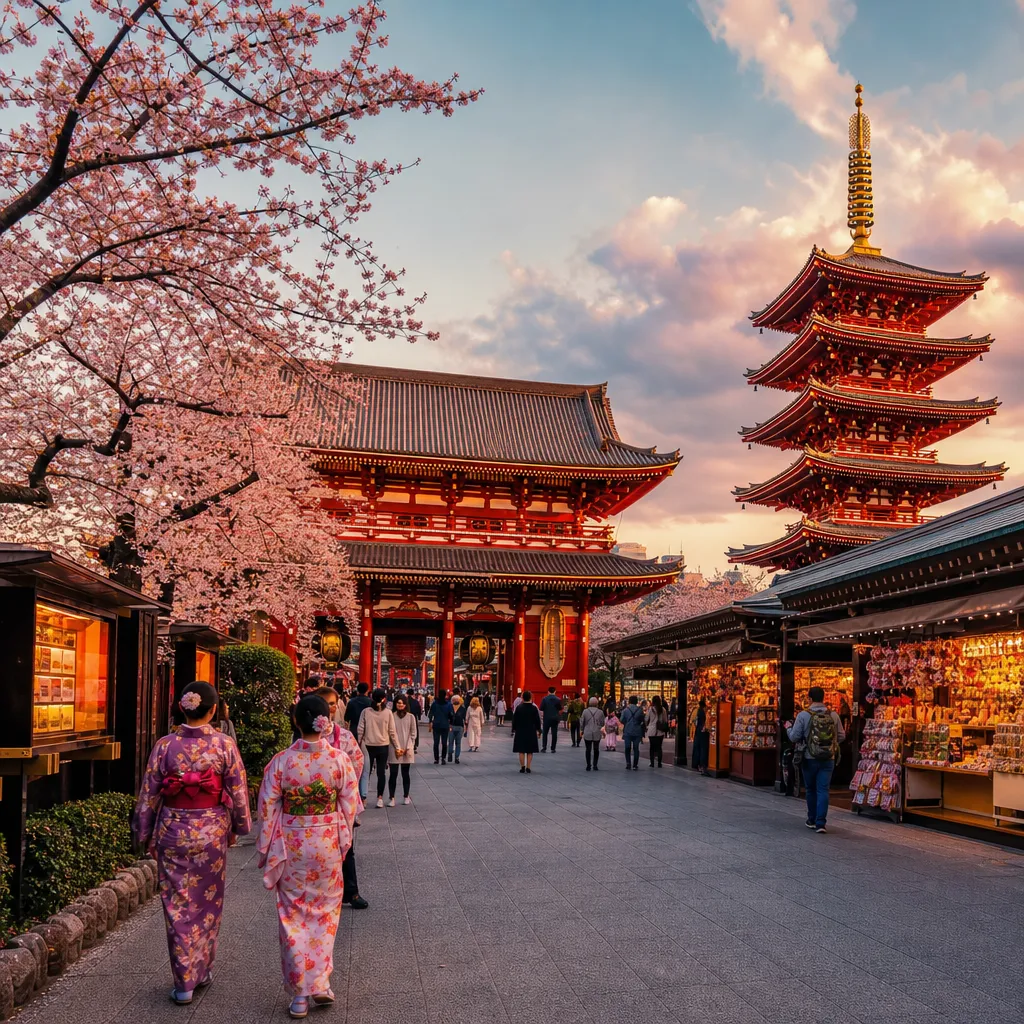
Asakusa is often a good fit for first-timers who want a more traditional atmosphere near Senso-ji and straightforward access to parts of eastern Tokyo. It is usually less nightlife-focused than western central districts.
Roppongi and Toranomon lean toward upscale hotels, international dining, and modern high-rise views. These areas are convenient for some museums and business districts, though they are not always the easiest base for every rail itinerary.
Tokyo Station area is one of the most practical bases if you are taking the shinkansen, arriving from Narita or Haneda with minimal complications, or planning regional trips in addition to city sightseeing.
Recommended Tokyo Hotels at a Glance
| Hotel | Area | Style | Best For |
|---|---|---|---|
| Park Hotel Tokyo | Shiodome / near Shinbashi | Contemporary, art-focused | Couples, design-minded travelers, Ginza access |
| The Tokyo Station Hotel | Marunouchi | Historic luxury | Rail convenience, classic service, higher-end stays |
| Hotel Ryumeikan Tokyo | Near Tokyo Station | Mid-range modern | Value near Tokyo Station |
| Shibuya Excel Hotel Tokyu | Shibuya | Convenient city hotel | First-time visitors, shopping, nightlife |
| Cerulean Tower Tokyu Hotel | Shibuya | Upscale high-rise | More space, business and leisure, city views |
| Hotel Gracery Shinjuku | Shinjuku | Mainstream city hotel | Nightlife access, entertainment-focused trips |
| Keio Plaza Hotel Tokyo | West Shinjuku | Large full-service hotel | Families, airport access, first-time visitors |
| The Gate Hotel Kaminarimon by HULIC | Asakusa | Stylish mid- to upper-range | Traditional district atmosphere, east Tokyo stays |
| Hoshinoya Tokyo | Otemachi | Ryokan-inspired luxury | Refined cultural stay in central Tokyo |
| Trunk (Hotel) | Shibuya / Jingumae side | Boutique lifestyle hotel | Couples, design travelers, creative neighborhood feel |
Best Hotels for First-Time Visitors
Hotel Ryumeikan Tokyo
Near Tokyo Station in the Yaesu side area, this is one of the more practical mid-range choices for travelers who care about rail access over flashy branding. It suits visitors planning to use the shinkansen, move around widely by train, or arrive from the airports without complicated transfers. The surrounding district is business-oriented, but Marunouchi, Nihombashi, and Ginza are all within easy reach.
This is a sensible choice for solo travelers, couples, and short stays. It is not the hotel to book for neighborhood charm, but it is very useful if logistics are your priority.
Keio Plaza Hotel Tokyo
In West Shinjuku, near the skyscraper district, Keio Plaza has long been a reliable full-service option for travelers who want a major hotel with broad facilities and strong transport convenience. Shinjuku Station is the key hub here, and the location is particularly useful if you want quick connections around the city or day trips beyond it.
It tends to suit families, multi-generational groups, and visitors who prefer a large international-style hotel over a smaller boutique stay. West Shinjuku feels more orderly than the nightlife-heavy parts of eastern Shinjuku, which some travelers appreciate after busy days.
Shibuya Excel Hotel Tokyu
If you want to step directly into one of the city’s most energetic districts, this Shibuya option is hard to ignore. It is a practical base for shopping, food, and easy movement toward Harajuku, Omotesando, Ebisu, and Meguro-side neighborhoods. The atmosphere outside is busy, modern, and urban from morning until late.
This hotel is especially good for first-time visitors who want a central, recognizable base and do not mind crowds. If you are sensitive to noise or prefer quieter evenings, Ginza or Marunouchi may be a better fit.
Best Luxury and High-End Stays
The Tokyo Station Hotel
Set within the historic Tokyo Station Marunouchi building, this is one of the city’s most distinctive classic hotels. The location is extremely practical for rail travelers, but the appeal is more than convenience: the architecture gives it a sense of place that many modern towers do not have. Marunouchi is polished, businesslike, and relatively calm at night, with easy access to Ginza and the Imperial Palace area.
This is a strong choice for couples, higher-end city breaks, and travelers who value heritage atmosphere. Book well ahead if your dates are fixed, especially in peak travel seasons.
Cerulean Tower Tokyu Hotel
Located in Shibuya, this is an upscale high-rise option for travelers who want a more refined stay without giving up access to one of the city’s most useful entertainment districts. Compared with more compact mainstream hotels in the area, it is often considered by travelers who want more comfort and a calmer in-house environment.
It works well for business trips, couples, and visitors combining meetings with leisure. You still get Shibuya’s transport convenience, but with more separation from the street-level intensity.
Hoshinoya Tokyo
In Otemachi, close to Tokyo Station and the financial district, Hoshinoya Tokyo offers a ryokan-influenced concept in a modern city setting. This is not a countryside inn experience transplanted unchanged into the capital, but it does provide a more Japanese-style atmosphere than standard luxury business hotels.
It is best for travelers seeking a quieter, more intentional stay, especially couples or repeat visitors who want something distinct from a conventional tower hotel. The location is central and efficient, though the immediate surroundings are more business district than sightseeing district.
Best Boutique and Design-Oriented Hotels
Trunk (Hotel)
On the Shibuya side of the Jingumae area, between major shopping and residential zones, Trunk appeals to travelers looking for a contemporary boutique hotel with a strong design identity. The surrounding area gives you access to Shibuya and Harajuku while feeling more local and less station-dominated than staying directly beside the main scramble and department stores.
This is a good choice for couples, creative professionals, and visitors who care about atmosphere as much as transport. It is less ideal if your main goal is maximum value for money or very quiet evenings.
Park Hotel Tokyo
In Shiodome, near Shinbashi and within reach of Ginza, Park Hotel Tokyo stands out for its art-centered concept. The broader area is a modern high-rise business district, so the immediate street atmosphere is more sleek than charming, but the transport advantages are strong and the location works well for visitors splitting time between Ginza, Tokyo Station, and waterfront districts.
This suits travelers who want something more characterful than a generic business hotel without moving into the highest luxury bracket. It also works well for couples and solo travelers who appreciate a quieter base after crowded sightseeing days.
Best Hotels for Traditional Atmosphere or East Tokyo Access
The Gate Hotel Kaminarimon by HULIC
In Asakusa near Kaminarimon and Senso-ji, this hotel is well placed for travelers who want an older Tokyo atmosphere rather than a business or nightlife district. Asakusa is one of the easiest areas for early-morning walks, river views, and access to traditional streets before day crowds build.
It works especially well for couples and first-time visitors planning time in Ueno, Ryogoku, or the Sumida riverside. Asakusa is not the most central choice for every west-side itinerary, but it gives a very different feel from Shinjuku or Shibuya.
Hoshinoya Tokyo as a Ryokan-Style Urban Choice
Most true ryokan experiences are outside the capital, but if you want some ryokan sensibility without leaving central Tokyo, Hoshinoya Tokyo is one of the clearest options. For travelers who want tatami-inspired calm, a more ritualized atmosphere, and easy access to major transport, it fills a niche that standard luxury hotels do not.
If your priority is a classic rural ryokan with hot spring town surroundings, stay outside Tokyo for a night or two. If your priority is keeping a central Tokyo base while adding a Japanese-style layer to the trip, this is more practical.
Area-by-Area Advice Before You Book
- For nightlife: Shinjuku and Shibuya are the easiest starting points, but expect more street activity and crowds.
- For shopping and polished surroundings: Ginza, Marunouchi, and nearby station districts are usually smoother and calmer.
- For family trips: Large full-service hotels in Shinjuku, Tokyo Station area, or some bay-area districts can be easier than tiny boutique properties.
- For a traditional district feel: Asakusa is usually more atmospheric than business-centered central zones.
- For airport and shinkansen convenience: Tokyo Station area is hard to beat.
- For design-focused stays: Look at boutique properties around Shibuya, Jingumae, and select central districts.
Also think about your arrival and departure times. A hotel that looks slightly cheaper can become less convenient if it requires multiple line changes with luggage. If you are traveling during cherry blossom season, autumn foliage season, year-end holidays, or major event periods, book earlier than you think necessary.
Practical Booking Tips for Tokyo Hotels
Room size matters. Many standard rooms in Tokyo are compact by international standards. If you have large suitcases or are traveling as a family, compare room categories carefully rather than assuming every double or twin room will feel spacious.
Check station context, not just distance. Being “near a station” is helpful, but major stations such as Shinjuku or Tokyo can be huge. A hotel linked to a practical side of the station may feel much easier than one that is technically close but less convenient for your lines.
Look at the evening character of the neighborhood. Shinjuku changes dramatically depending on which side you stay on. Shibuya can be lively late. Marunouchi and Otemachi can feel much quieter after office hours. None of these is inherently better; they simply suit different travelers.
Confirm current policies directly. Breakfast formats, lounge access, smoking rules, family accommodation policies, and reservation conditions can change. For important trip details, check the hotel’s official information before booking.
Which Hotel Type Suits Different Travelers?
- Solo travelers: Hotel Ryumeikan Tokyo, Park Hotel Tokyo, and well-located Shibuya or Shinjuku city hotels are practical choices.
- Couples: The Tokyo Station Hotel, Trunk (Hotel), Cerulean Tower Tokyu Hotel, and Hoshinoya Tokyo are strong options depending on style and budget.
- Families: Keio Plaza Hotel Tokyo is one of the more useful names to consider because a large full-service setup can simplify logistics.
- Repeat visitors: Boutique or ryokan-style urban stays often make more sense once you no longer need the most obvious first-trip location.
- Business travelers: Marunouchi, Otemachi, Shiodome, and parts of Shibuya offer efficient access with a wide range of hotel categories.
FAQ
What area of Tokyo is best to stay in for first-time visitors?
Tokyo Station area, Shinjuku, Shibuya, and Ginza are usually the easiest starting points. The best one depends on whether you value rail convenience, nightlife, shopping, or a calmer atmosphere.
Is Asakusa a good area for a hotel?
Yes, especially if you want a traditional district feel and plan to explore eastern Tokyo. It is less central for some west-side nightlife plans, but many travelers find the atmosphere worth the trade-off.
Do I need to book Tokyo hotels far in advance?
For popular dates, yes. Cherry blossom season, autumn travel periods, holidays, and weekends can tighten availability quickly, especially for well-known luxury and boutique hotels.
Are Tokyo hotel rooms usually small?
Many are smaller than travelers expect, particularly in mid-range city hotels near major stations. Always compare room categories carefully if space is important.
Should I stay near Tokyo Station or Shinjuku Station?
Choose Tokyo Station for shinkansen access, smoother airport connections, and a more polished business-district setting. Choose Shinjuku for nightlife, shopping, and one of the city’s most extensive rail hubs.
Are ryokan-style stays available in central Tokyo?
Yes, but the experience is different from staying in a rural hot spring town. Hoshinoya Tokyo is one of the better-known central options for a Japanese-style luxury stay.
Which Tokyo hotels are best for couples?
Couples often prefer The Tokyo Station Hotel, Cerulean Tower Tokyu Hotel, Trunk (Hotel), Park Hotel Tokyo, or Hoshinoya Tokyo, depending on whether they want heritage, views, design, art, or a ryokan-inspired atmosphere.
What should I check before booking a hotel in Tokyo?
Confirm the neighborhood, station access, room size, bed configuration, current breakfast details, smoking rules, and cancellation policy. Those points often matter more than small differences in headline price.
Sources
- GO TOKYO (Tokyo Convention & Visitors Bureau)
- Japan National Tourism Organization
- Official websites of the hotels mentioned