The Tokyo Metro is the backbone of sightseeing in central Tokyo: fast, frequent, clearly signed, and often the easiest way to move between major districts without dealing with road traffic. It is not the only rail operator in the city, so the key to using it well is understanding where the Metro network overlaps with JR lines, Toei Subway lines, and airport connections. For most visitors, the system is straightforward once you know how fares, transfers, and station naming work. This guide focuses on the practical side: which lines matter most, how to choose tickets or passes, and what to expect when traveling around the city.
Tokyo Metro operates nine subway lines across much of the inner city, while the separate Toei Subway network adds four more. Together they cover many of the places first-time and repeat visitors actually use: Ginza, Asakusa, Ueno, Akihabara, Roppongi, Omotesando, Shibuya, Ikebukuro, and areas around Tokyo Station. In districts with several overlapping rail operators, the nearest station on the map may not always be the most convenient in real life, so it helps to think in terms of neighborhoods rather than one perfect route.
If you are staying in central areas such as Ginza, Ueno, Nihonbashi, Akasaka, Roppongi, Shibuya, or around Tokyo Station, you will probably use the Metro every day. If your hotel is around Shinjuku, Shinagawa, or western districts with strong JR access, you may alternate between subway and above-ground train lines. Either way, understanding the Metro makes Tokyo feel much smaller and easier to navigate.
How the Tokyo Metro fits into the wider rail network
A common visitor mistake is assuming all Tokyo trains belong to one system. In reality, several operators interconnect, but tickets and passes do not always work the same way across them.
- Tokyo Metro: nine subway lines covering much of central Tokyo.
- Toei Subway: four additional subway lines, also important for visitors.
- JR East: above-ground urban lines such as the Yamanote Line, Chuo Line, and Keihin-Tohoku Line.
- Private railways: useful for reaching outer districts and nearby prefectures.
In practical terms, many itineraries combine all three major urban options: Tokyo Metro, Toei Subway, and JR. For example, you might take the Metro to reach Ginza, use JR for Shinjuku to Harajuku, and then return by subway to your hotel. This is normal, and route apps in Japan handle these combinations well.
Areas where the Metro is especially useful include Ginza and Marunouchi in Chiyoda and Chuo wards, Ueno and Asakusa in Taito ward, Akasaka and Roppongi in Minato ward, and Omotesando between Shibuya and Minato wards. In contrast, some places often associated with central sightseeing, especially around Shinjuku, rely heavily on JR and private railways in addition to subway lines.
Most useful Tokyo Metro lines for visitors
You do not need to memorize the entire network. A few lines appear again and again in everyday sightseeing.
| Line | Useful Areas | Best For | Notes |
|---|---|---|---|
| Ginza Line | Asakusa, Ueno, Ginza, Omotesando, Shibuya | Classic first-trip sightseeing route | Very useful for linking older east-side districts with central shopping areas |
| Marunouchi Line | Tokyo Station area, Ginza vicinity, Shinjuku, Ikebukuro | Cross-city travel between major hubs | One of the most practical lines for visitors staying in large commercial districts |
| Hibiya Line | Ueno, Akihabara vicinity, Ningyocho, Hibiya, Roppongi | Museums, dining, nightlife access | Useful for east-to-south central movement |
| Chiyoda Line | Yoyogi-Uehara side, Meiji-Jingumae area, Omotesando, Hibiya, Otemachi, Nezu vicinity | Access to central districts and some quieter cultural neighborhoods | Handy for combining Harajuku-side visits with central business districts |
| Hanzomon Line | Shibuya, Omotesando, Aoyama-Itchome, Hanzomon, Oshiage | Modern districts and Tokyo Skytree area connections | Useful when linking west-side neighborhoods to the east side |
| Yurakucho Line | Ikebukuro, Iidabashi, Yurakucho, Toyosu | Shopping, business districts, bay-area access | Useful for some hotel areas and transfers to bayfront destinations |
If you are planning a short trip, the Ginza Line alone covers an impressive number of visitor-friendly districts. It connects the more traditional atmosphere of Asakusa and Ueno with shopping-heavy Ginza and then on to Omotesando and Shibuya. The Marunouchi Line is another high-value line because it links major interchange areas that many travelers already use.
Tickets, IC cards, and subway passes
For most people, the easiest option is an IC card such as Suica or PASMO. These cards work across much of Tokyo’s rail and bus network, including Tokyo Metro, Toei Subway, and JR lines. Instead of calculating each fare, you tap in and out at the gate. This is especially convenient when your route includes multiple operators.
If you expect to ride the subway heavily in one day, a Tokyo Subway Ticket can be worth considering. These tickets are designed for unlimited travel on both Tokyo Metro and Toei Subway for a fixed period. They are most useful when your itinerary stays largely within central districts and relies more on subway lines than JR.
Good situations for a subway pass include:
- museum and shopping days across several neighborhoods,
- hotel stays in central Tokyo with repeated short trips,
- itineraries focused on Ginza, Ueno, Asakusa, Akasaka, Roppongi, and Omotesando.
An IC card is usually better if:
- you are mixing JR and subway travel often,
- you are visiting outer districts,
- you want maximum flexibility with no fare calculations.
Because fare products and sales points can change, it is wise to check current official information before arrival. If convenience matters more than squeezing out small savings, an IC card is the simplest default.
How to navigate stations without getting overwhelmed
Tokyo subway stations range from compact neighborhood stops to large underground complexes with long connecting passages. The system is easier when you focus on three things: line color, line letter, and station number. Tokyo Metro uses highly visible line symbols, and station numbering is particularly helpful if you do not read Japanese.
Inside stations, follow signs for:
- line transfers, if changing trains,
- the correct direction, usually shown by the final station on that platform side,
- station exits, which matter more in big districts than many visitors expect.
In places like Otemachi, Shibuya, Ikebukuro, and the wider Tokyo Station/Marunouchi area, one station name can cover a very large underground footprint. If you know which department store, office tower, museum, or neighborhood edge you are heading for, check the exit guidance before leaving the train platform. This saves time and unnecessary backtracking.
On the platform, stand behind the marked lines, queue where indicated, and allow passengers to exit first. Rush hour can be intense on weekdays, especially in business districts. If your schedule allows, travel outside the morning commuter peak for a calmer experience.
Best interchange areas for sightseeing itineraries
Some stations matter less as destinations and more as practical transfer points.
Otemachi and the Tokyo Station area
In Chiyoda ward, this is one of the most useful parts of the city for connections. It serves the business core around Marunouchi and Nihonbashi and provides access to several subway lines plus JR at Tokyo Station. It is ideal if you are staying near Tokyo Station or planning day trips by shinkansen while still exploring central districts.
Ueno
In Taito ward on the northeastern side of central Tokyo, Ueno combines Tokyo Metro, JR, and access to the wider museum and park area. It is a good transfer zone for travelers visiting Ueno Park, Ameya-Yokocho, or continuing north by JR.
Shibuya
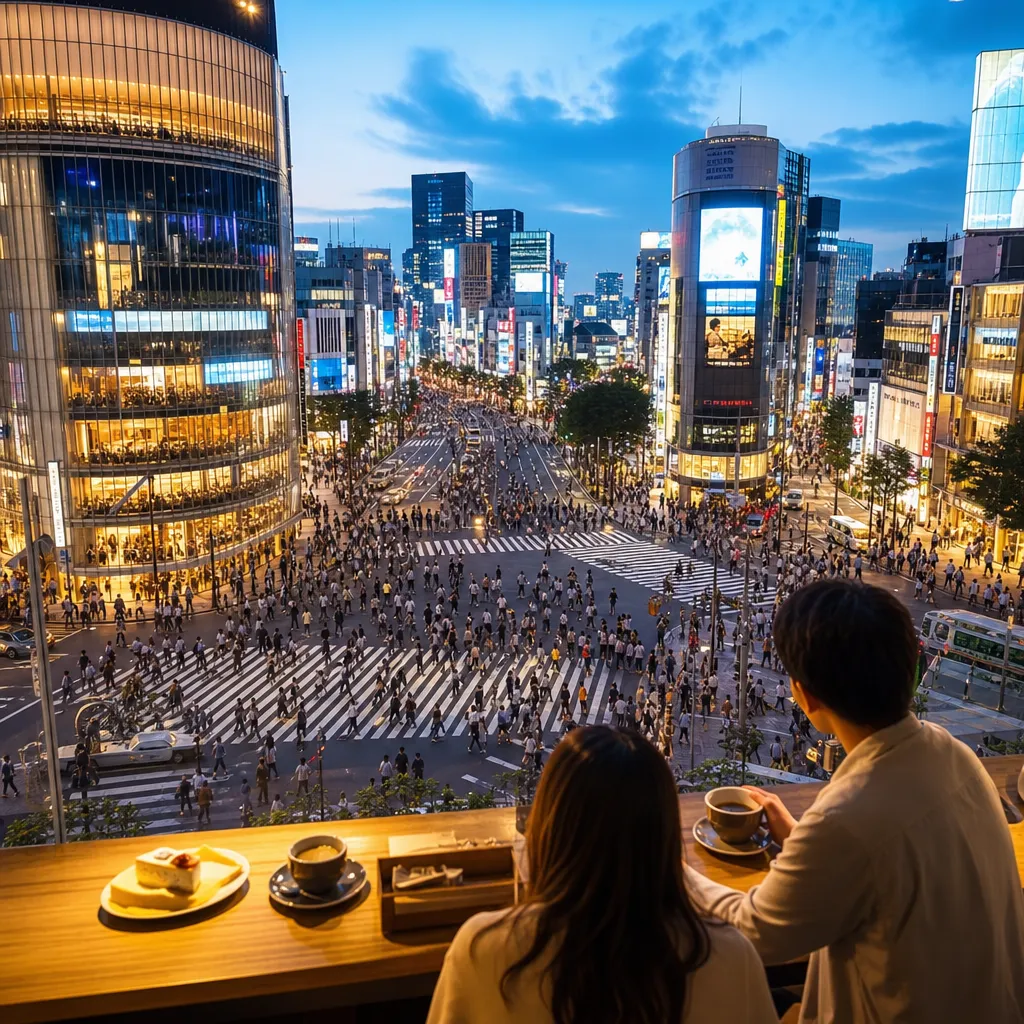
On the western side of central Tokyo, Shibuya is a major transport node where Tokyo Metro lines intersect with JR and private railways. The station area has been repeatedly redeveloped, so allow extra time if changing trains. It is useful for moving between shopping districts, cafes, and onward routes toward western neighborhoods.
Ikebukuro
In Toshima ward, northwest of the imperial center, Ikebukuro is a major commercial hub served by both subway and JR lines. It is practical for visitors staying on the northwestern side of central Tokyo and for those combining shopping with easy rail access.
Useful Metro-based routes for common visitor days
Rather than thinking about the entire network, it helps to group places into easy same-day combinations.
Traditional east-side day
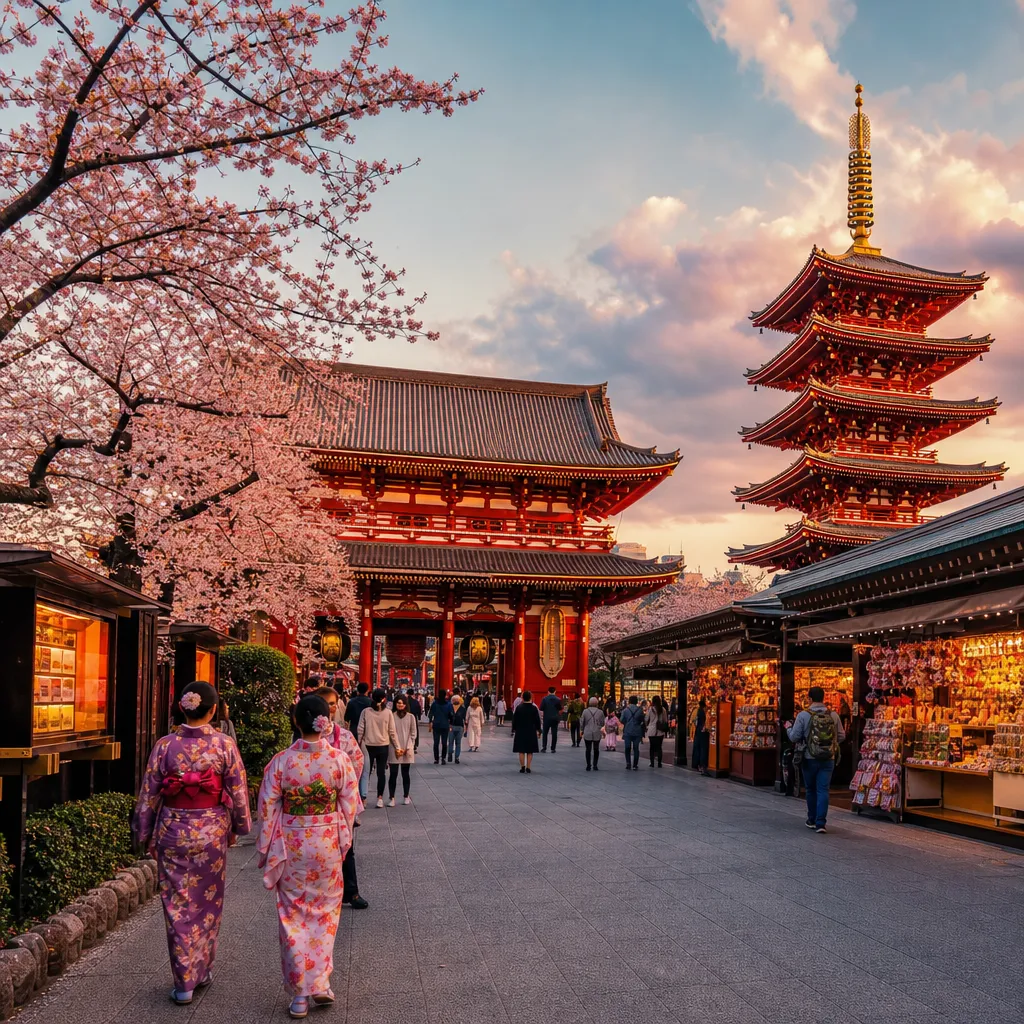
Use the Ginza Line to connect Asakusa, Ueno, and then central districts. This works well for travelers interested in temple visits, older shopping streets, and museums before moving toward dinner elsewhere.
Modern architecture and shopping day
Omotesando, Aoyama, and Shibuya are well linked by the Ginza, Hanzomon, and Chiyoda lines. This is a strong route for design stores, fashion, contemporary buildings, and cafe breaks.
Museum and central parkland day
The wider Hibiya and Otemachi area connects well by subway to multiple parts of the center. This can combine nicely with the Imperial Palace East Gardens area, nearby cultural institutions, and evening dining in Ginza or Yurakucho.
Roppongi evening plan
The Hibiya Line is often the simplest subway approach to Roppongi in Minato ward. It is convenient for art museums, dinner, and later evening bars, especially if you are staying elsewhere in central Tokyo and do not want to rely only on taxis.
Airport and long-distance travel connections
The Metro itself does not replace airport access planning, but it often forms part of the journey. From Haneda Airport, many visitors use combinations involving Keikyu lines, Toei Subway, monorail, or JR depending on destination. From Narita Airport, common routes involve Narita Express, Keisei services, or through-services toward the subway network.
If you are carrying large luggage, remember that subway stations can involve stairs, busy passageways, and crowded carriages. For airport arrival and departure days, a direct rail service or airport bus may be easier than a subway-heavy route, even if it is not the absolute cheapest. Once you are settled in your hotel, the Metro becomes much more convenient for daily city travel.
Practical etiquette and comfort tips
Tokyo’s subway system works smoothly because passengers generally follow shared norms. Visitors do not need to know every rule, but a few habits make travel easier.
- Queue in marked boarding lines and let people off first.
- Keep bags compact, especially on crowded trains.
- Use silent mode or keep your phone quiet in the carriage.
- Avoid blocking doors if you are not exiting soon.
- Do not assume every train is equally comfortable for luggage.
- Check the last train timing if you plan a late evening out.
Families, solo travelers, and first-time visitors usually find the Metro easy to use once they complete a few rides. Signage in English is strong in central areas, and stations that serve major visitor districts are generally well adapted to international travel. If anything is unclear, station staff can often help, though keeping your destination written down is still useful.
When the Metro is the best choice, and when it is not
The Metro is usually the best option for short hops across central Tokyo, especially when traveling between neighborhoods with heavy traffic above ground. It is excellent for rainy days, museum-hopping, and evening dining in districts where parking or taxis are inconvenient.
It may be less ideal when:
- your hotel is right beside a major JR station and your destination is also on JR,
- you are traveling with several large suitcases,
- you are heading to outer western neighborhoods better served by private railways or JR,
- you are trying to reach a bay-area destination with simpler non-Metro connections.
The smartest approach is not loyalty to one network, but choosing the simplest route each time. In Tokyo, the best journey is often the one with the fewest awkward transfers, even if it is not the one with the fewest stops.
FAQ
Is Tokyo Metro enough for most sightseeing?
For many central neighborhoods, yes. But most visitors also end up using JR or Toei Subway at least occasionally, especially for places like Shinjuku, Harajuku, or airport-related travel.
Should I buy a Tokyo Subway pass or just use Suica/PASMO?
If you expect frequent subway-only travel in central districts, a subway pass can be useful. If you want flexibility across Metro, Toei, JR, and other lines, an IC card is usually easier.
What is the easiest line for first-time visitors?
The Ginza Line is one of the easiest to understand because it links several major sightseeing districts in a very practical sequence, including Asakusa, Ueno, Ginza, Omotesando, and Shibuya.
Can I rely on English signs in stations?
In central Tokyo, generally yes. Station names, line colors, and numbering systems make navigation much easier even if you do not read Japanese.
Are transfers between lines always simple?
Not always. In large interchanges such as Otemachi, Shibuya, or parts of the Tokyo Station area, transfers can involve long underground walks. Factor in extra time when changing trains there.
Is the Metro good for families with strollers?
It can be, especially outside weekday rush hour, but some stations are large and busy. Checking elevator access and avoiding the most crowded commuting periods will make the experience easier.
What should I check before using a subway pass?
Confirm whether your planned routes are mainly on Tokyo Metro and Toei Subway rather than JR. A pass is most valuable when most of your day fits those two networks.
Do I need to plan my exact route in advance?
No, but it helps to know the nearest useful station for each neighborhood. A route app is usually enough, especially if you understand the difference between Metro, Toei, and JR services.
Sources
- Tokyo Metro
- Toei Transportation
- GO TOKYO (Tokyo Convention & Visitors Bureau)