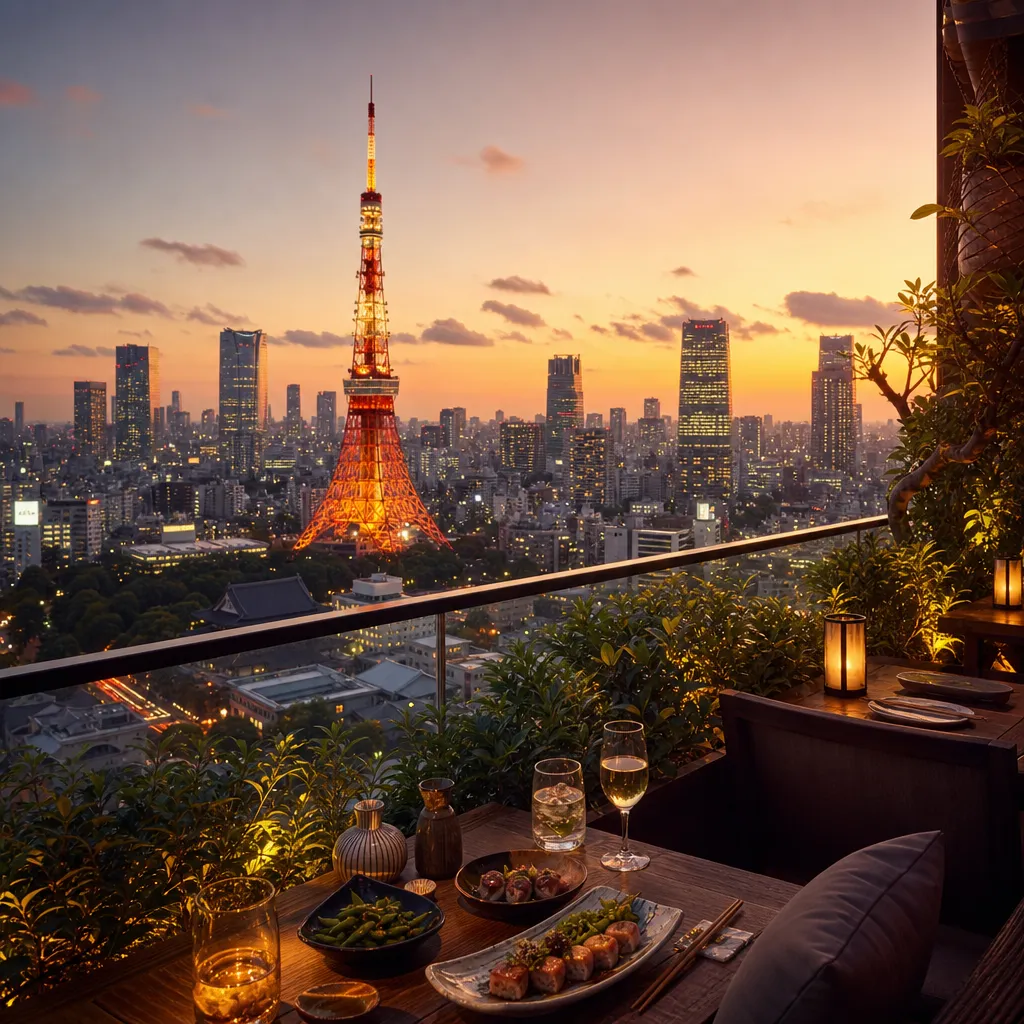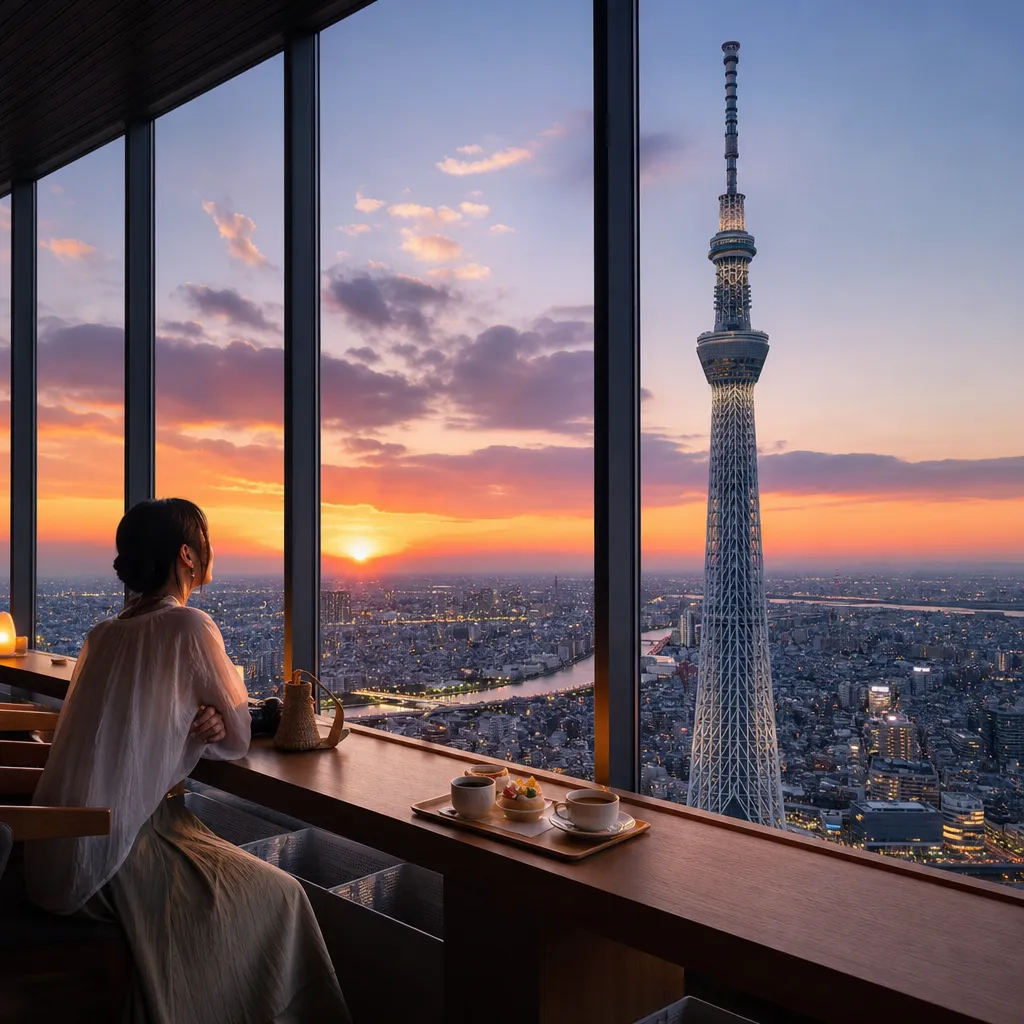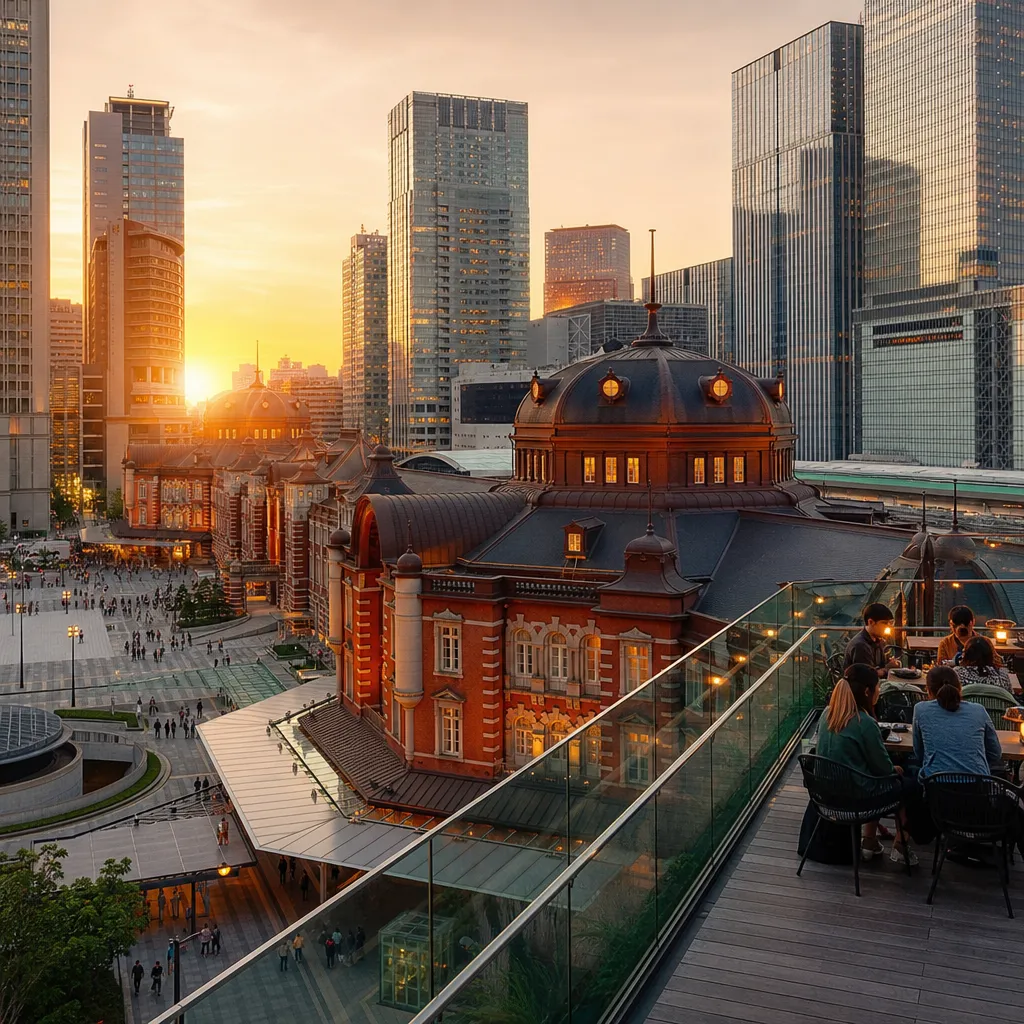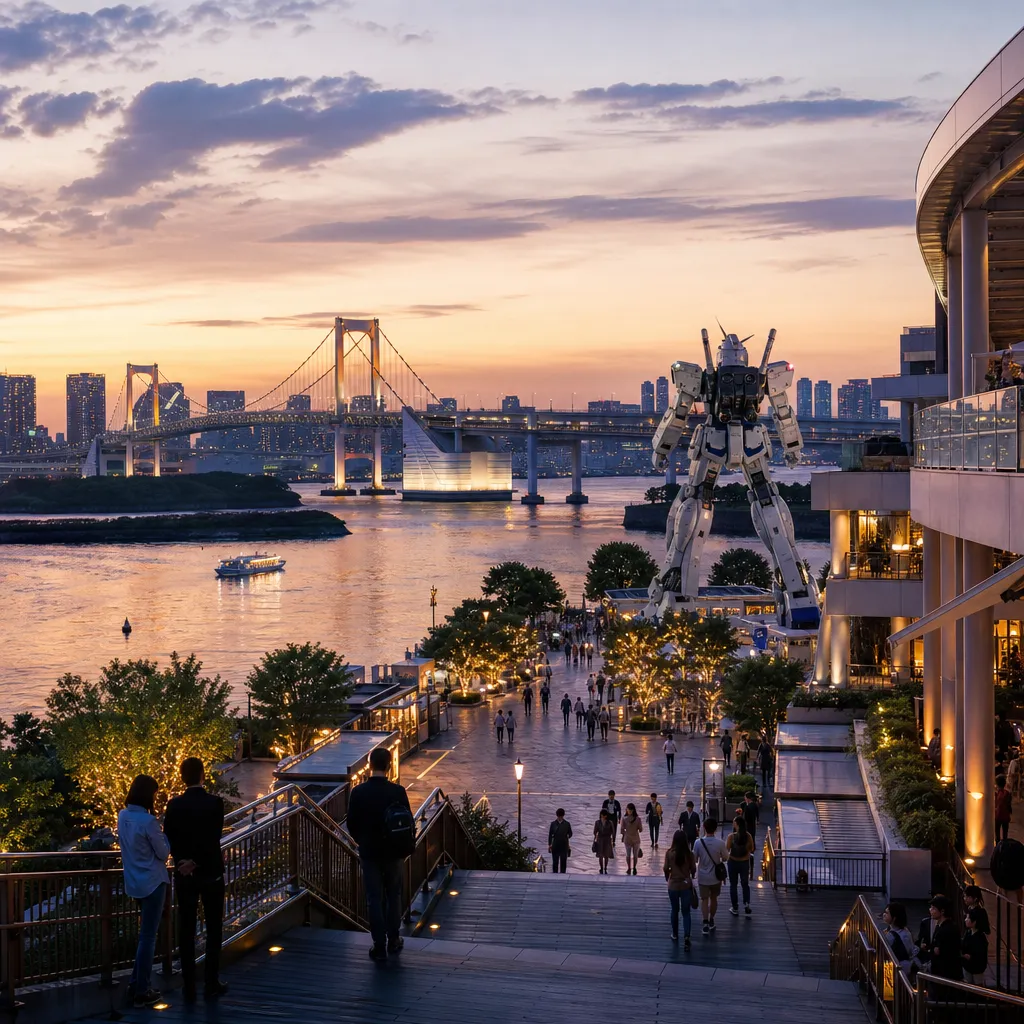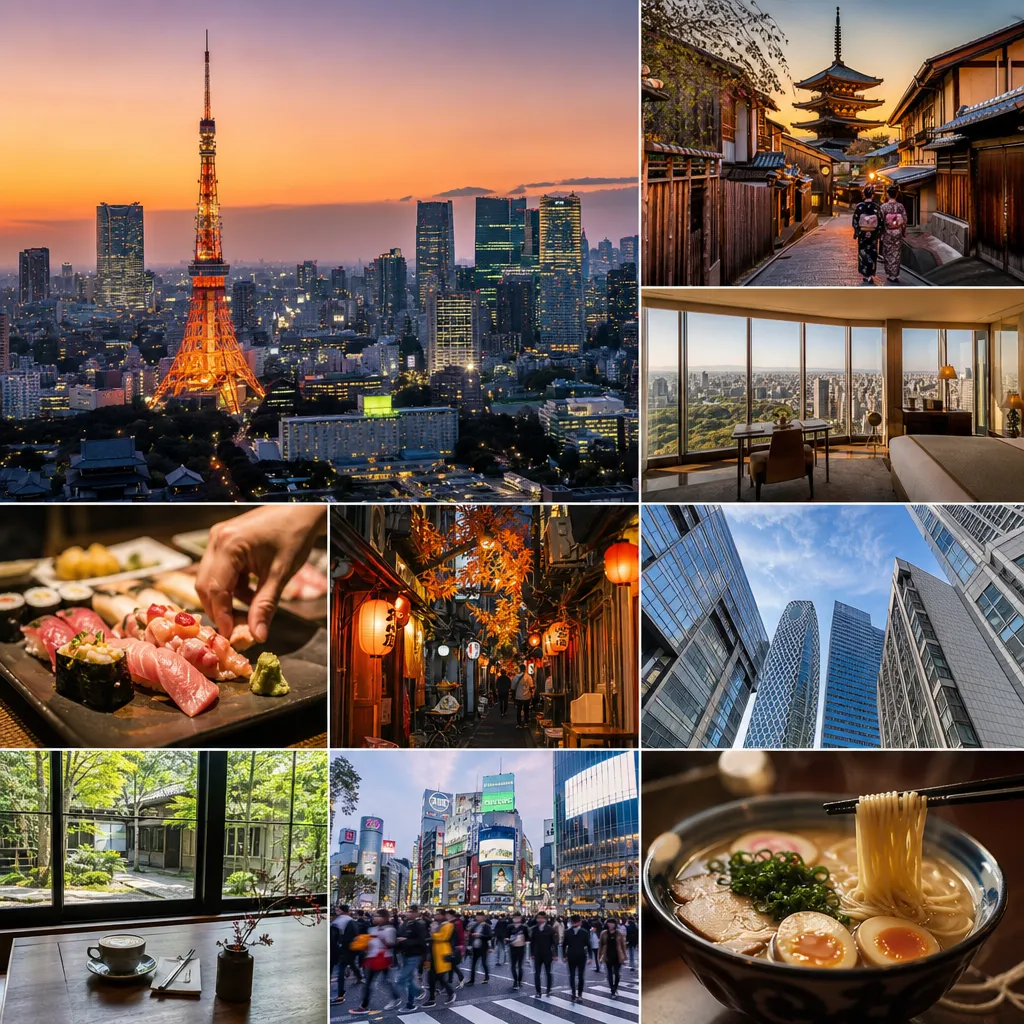
Tokyo is one of the easiest big cities in the world to explore alone. Its rail network is efficient, solo dining is normal, and many of the city’s best experiences work better at your own pace than in a group. The challenge is not whether solo travel is possible, but how to choose neighborhoods, meals, museums, and evenings that feel rewarding without wasting time in transit. This guide focuses on practical solo-friendly places and habits that make a Tokyo visit smoother, especially for first-time independent travelers.
Why Tokyo works so well for solo travelers
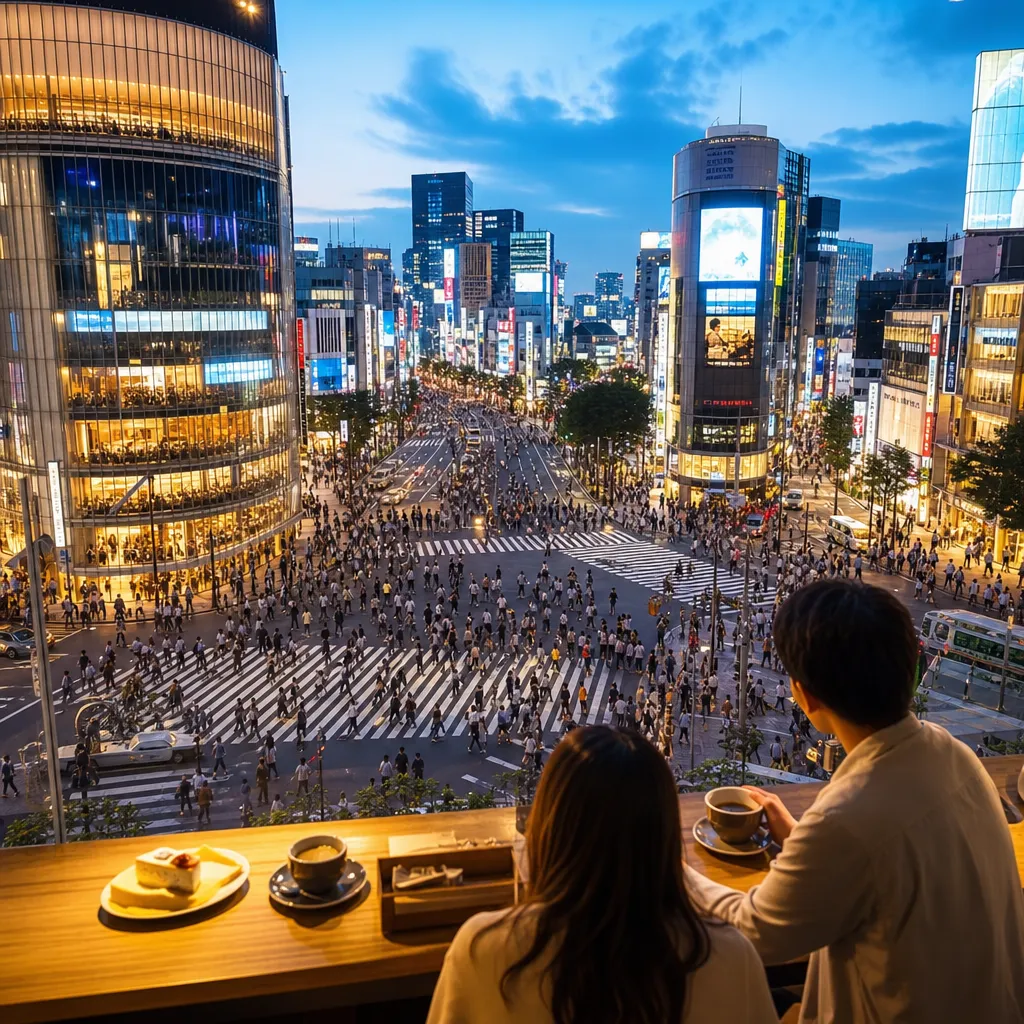
Traveling alone here rarely feels awkward. Eating by yourself is common at ramen counters, kissaten cafés, depachika food halls, standing bars, and many sushi or soba shops. Staff are used to single diners, and ticket machines or set menus can make ordering straightforward even when English is limited.
The other reason Tokyo suits solo visitors is neighborhood variety. You can spend a morning in old Tokyo streets around Asakusa, switch to museum time in Ueno, browse bookshops in Jimbocho, then finish with a skyline view in Shinjuku or Shibuya. Because train access is so good, it is easy to build days around one or two connected areas rather than zigzagging across the city.
For solo safety and convenience, central districts such as Ueno, Asakusa, Ginza, Shibuya, Shinjuku, and Tokyo Station/Marunouchi are the easiest bases. They have strong transport links, plenty of places to eat alone, and enough activity at night that returning to your hotel feels simple.
Best areas to stay when traveling alone
Choosing the right base matters more than choosing a fashionable one. For a first solo trip, convenience usually beats novelty.
Ueno
In Taito ward, Ueno is one of the most practical solo bases in the city. Ueno Station connects easily to the airport routes, shinkansen lines, and major urban rail lines. The area has museums, Ameyoko market streets, casual restaurants, and straightforward access to Asakusa, Akihabara, and Ginza. It suits budget and mid-range travelers particularly well.
Asakusa
Also in Taito ward, Asakusa offers a more traditional atmosphere, especially early morning and after day-trippers leave. Staying here gives you access to Senso-ji, Sumida River walks, and older-style shopping streets. It is a good choice for travelers who want a calmer evening setting than Shinjuku or Shibuya, while still remaining well connected.
Shinjuku
For visitors who want transport convenience above all else, Shinjuku is hard to beat. It is one of the city’s main rail hubs and has every kind of dining, shopping, and nightlife. The area can feel overwhelming, though, especially around the station. Solo travelers who enjoy late evenings, department stores, bars, and fast access across the city often find it worth the intensity.
Ginza or nearby Tokyo Station/Marunouchi
If your budget allows, these central districts are excellent for a polished, efficient stay. Ginza has department stores, refined dining, and easy subway access; Marunouchi and the Tokyo Station area work especially well for train connections and a quieter business-district feel at night. This base suits solo travelers who prioritize easy logistics and a more orderly atmosphere.
Solo-friendly places to eat
Tokyo is full of restaurants where one person fits naturally. The best solo meals are not always the most famous ones; they are the places where the format itself works in your favor.
| Place | Area | Best For | Price Level | Key Feature |
|---|---|---|---|---|
| Ichiran | Multiple branches including Shibuya, Shinjuku, Ueno, Asakusa | Low-stress solo ramen | Budget to mid-range | Individual booths and simple ordering system |
| Afuri | Branches in Harajuku, Ebisu, Roppongi and elsewhere | Modern ramen in central areas | Mid-range | Lighter yuzu-forward style popular with international visitors |
| Nemuro Hanamaru | KITTE Marunouchi near Tokyo Station | Accessible conveyor-belt style sushi | Mid-range | Easy solo lunch or early dinner near a major rail hub |
| Yomoda Soba | Nihonbashi and Ginza area branches | Quick standing soba | Budget | Fast, filling meal that suits independent sightseeing days |
| Maisen Aoyama | Omotesando/Aoyama area | Classic tonkatsu in a comfortable setting | Mid-range | Good solo sit-down meal between Omotesando and Harajuku walks |
Ichiran
With branches in major visitor districts, Ichiran is almost purpose-built for solo travelers. The tonkotsu ramen is served at individual booths, and ordering is generally handled through a machine and written preference sheet. It is not a destination for atmosphere, but it is extremely practical after a long day or a late arrival.
Afuri
Afuri has several convenient branches in central Tokyo, including areas such as Harajuku and Ebisu. Its yuzu-accented ramen feels lighter than heavier pork-broth styles, which can make it a good lunch option. Counter seating and a familiar modern format make it easy for one person.
Nemuro Hanamaru at KITTE Marunouchi
Near Tokyo Station, this popular kaiten-zushi style spot is useful if you want a sushi meal without moving into high-end territory. Being inside KITTE also makes it easy to combine with station-area sightseeing, shopping, or a rainy-day plan. Busy times can mean queues, so going off-peak helps.
Yomoda Soba
If you want a very Tokyo-style solo meal, a standing soba shop is ideal. Yomoda Soba is known among quick-meal options and works well when you are moving between neighborhoods such as Nihonbashi or Ginza. Expect speed rather than lingering comfort.
Maisen Aoyama
In the Omotesando/Aoyama area, Maisen is a reliable place for tonkatsu in a more settled sit-down environment. It suits travelers who want a break from queues and snack-sized browsing meals. The surrounding district is smart but walkable, with design shops and broad avenues nearby.
Best solo activities by neighborhood
Some Tokyo districts are especially rewarding alone because they let you browse, pause, and change plans as you go.
Asakusa for early morning temple time
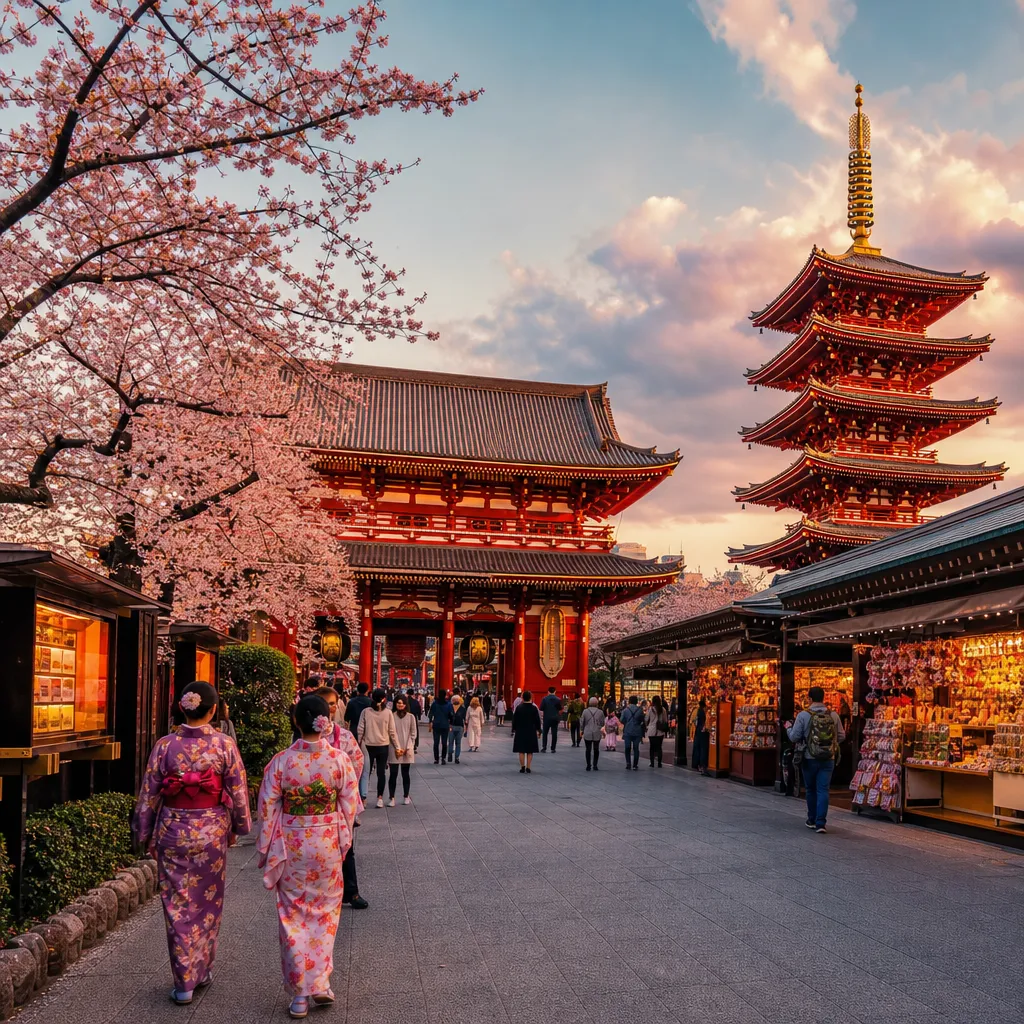
Senso-ji in Asakusa is busiest later in the morning, but going early gives solo travelers room to appreciate the approach through Kaminarimon and Nakamise with fewer crowds. The wider district also works well for wandering side streets, river views, and casual snack stops. This area is ideal if you prefer a slower start.
Ueno for museums and park walking
Ueno Park is one of the easiest places to structure an independent day. Major institutions such as the Tokyo National Museum and the National Museum of Nature and Science sit close together, with cafés and open space around them. It is one of the best single areas in the city for a half-day or full-day solo itinerary.
Jimbocho for books and old-school cafés
Jimbocho, near Ochanomizu and central Chiyoda ward, is a top choice for solitary browsing. The neighborhood is known for secondhand and specialist bookstores, along with long-running cafés and curry shops. It is quieter than the main tourist zones and especially appealing if you like spending a few hours without a strict plan.
Yanaka for a residential, low-key walk
North of central Tokyo, in the broader Yanesen area, Yanaka offers a different mood from the city’s biggest hubs. Yanaka Ginza shopping street, temple-lined lanes, and older low-rise streets make it a good area for photographers and travelers who want a break from neon-heavy districts. It is not remote, but it feels removed from central intensity.
Museums and indoor places that work especially well alone
Solo museum visits are often easier than group visits because you can move at your own speed. Tokyo has several institutions where that freedom makes a big difference.
Tokyo National Museum
In Ueno Park, this is the strongest single museum choice for visitors interested in Japanese art, archaeology, and cultural history. It rewards focused looking and does not require conversation or shared pacing. Go if you want depth rather than spectacle.
Mori Art Museum
In Roppongi Hills, the Mori Art Museum is one of the city’s most useful contemporary art stops for solo travelers because it combines well with the surrounding complex and observation options. Exhibition schedules change, so check what is on before visiting. The area suits an afternoon that blends art, architecture, and evening views.
teamLab Planets TOKYO DMM
In Toyosu, this immersive digital-art experience is different from a conventional museum but works well alone if you enjoy sensory installations and photography. Advance booking is often wise because timed entry is common. Expect to remove shoes in parts of the experience and plan accordingly.
Nezu Museum
In Minami-Aoyama, not far from Omotesando, the Nezu Museum is a refined option for travelers who want a quieter cultural stop. The collection focuses on pre-modern Japanese and East Asian art, and the garden is an important part of the experience. It suits a calm half-day better than a rushed checklist visit.
Evening options for solo travelers
Tokyo nights do not have to mean clubbing or trying to break into difficult reservation-only bars. Some of the best solo evenings are simple: a view, a department store food hall dinner, a small cocktail bar, or an onsen-style bath complex.
Tokyo Metropolitan Government Building observation decks
In Shinjuku, these are a practical and budget-friendly evening stop. The towers are in the Nishi-Shinjuku skyscraper district, which feels very different from the entertainment side of Shinjuku Station. Views depend on weather and time of day, but it is an easy addition to a solo itinerary.
Shibuya Sky
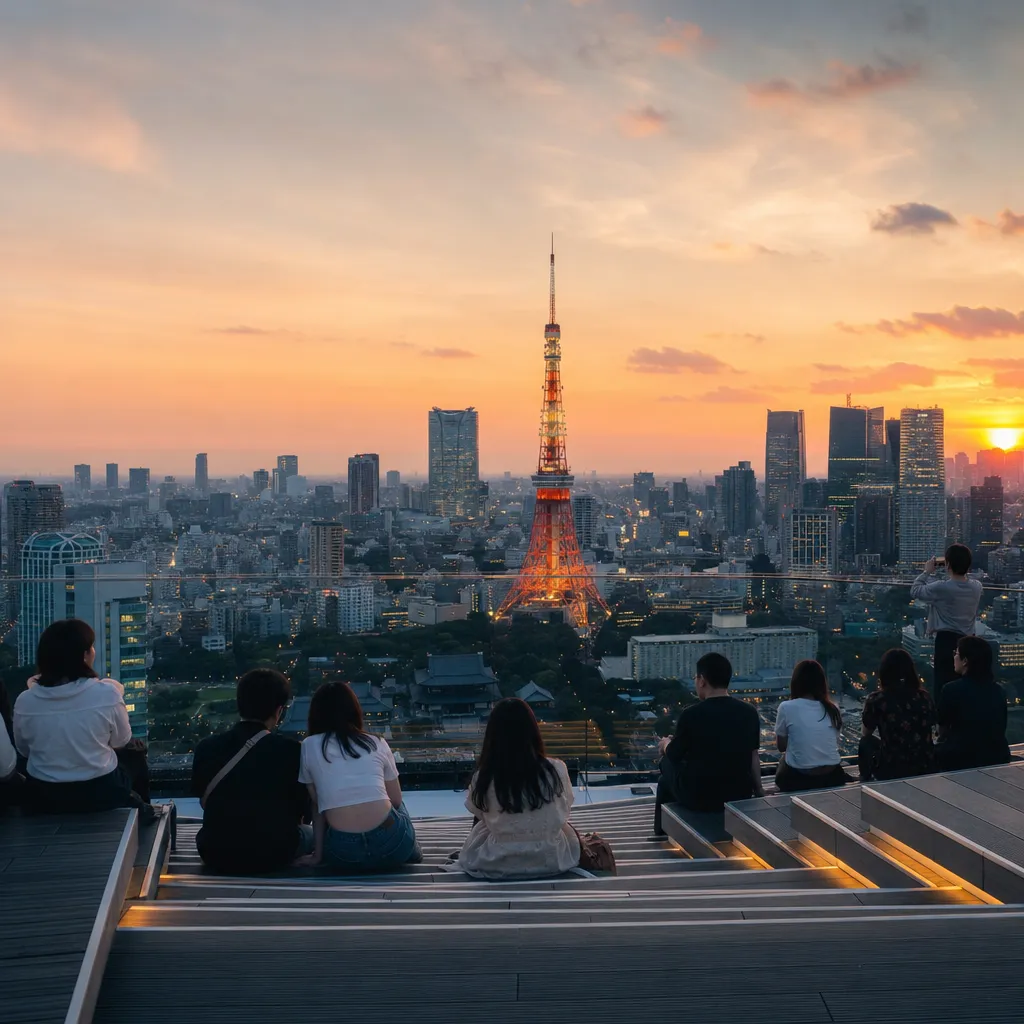
Near Shibuya Station, this is one of the city’s most in-demand viewpoints. It works well for one person because you can arrive focused on the light and stay as long as conditions suit you. Sunset slots are especially popular, so advance booking can help when schedules are tight.
Golden Gai, carefully chosen
Golden Gai in Shinjuku can be fun alone if you choose bars with clear cover-charge information and a welcoming atmosphere for non-regulars. It is better for one or two drinks than for an all-night crawl if you are new to the area. Go with patience and realistic expectations: some bars are tiny, some prefer regular customers, and photography etiquette matters.
Depachika dinner in Ginza or Shinjuku
Department store food halls are one of the easiest solo dinner solutions in the city. Stores such as Isetan in Shinjuku or Mitsukoshi in Ginza offer high-quality prepared foods, sweets, and bento in one place. This is especially useful for travelers who want a relaxing hotel-room dinner after a long day.
Practical transport and etiquette tips for independent visitors
- Use area-based planning: Group your day by neighboring districts rather than trying to cross the city repeatedly.
- Rely on major stations: Ueno, Tokyo, Shinjuku, Shibuya, and Ikebukuro are useful anchors for navigation, even if your destination is in a nearby smaller district.
- Carry some cash: Cards are widely accepted, but smaller eateries, temple offerings, and some older shops may still favor cash.
- Expect quiet on transit: Train etiquette is generally calm. Keep phone conversations to a minimum and avoid blocking doors with luggage.
- Check reservation needs in advance: Popular observation decks, special exhibitions, and sought-after restaurants often benefit from booking ahead.
- Travel light during the day: Coin lockers at major stations are useful if you are moving between areas before hotel check-in.
- Mind restaurant formats: Some small places have ticket machines, some specialize in quick turnover, and some bars charge a seating or table fee.
A sample one-day solo itinerary
- Morning in Asakusa: Start with Senso-ji before peak crowd levels, then walk quieter backstreets or along the Sumida River.
- Late morning to early afternoon in Ueno: Move to Ueno Park for a museum visit, choosing the Tokyo National Museum if you want the broadest cultural overview.
- Quick lunch: Have soba, ramen, or a department-store meal depending on where you are and how much time you want to spend.
- Afternoon in Ginza or Marunouchi: Browse department stores, stationery, galleries, or the KITTE building near Tokyo Station.
- Evening view: Finish with Shibuya Sky or the Tokyo Metropolitan Government Building depending on your location and booking situation.
- Dinner your way: Choose a solo-friendly ramen shop, a sushi counter with casual seating, or pick up food from a depachika.
Common mistakes solo travelers should avoid
Trying to do too much in one day is the main one. Distances on the rail map can look simple, but station size, transfers, and crowd levels can add time and energy costs.
Another mistake is relying only on famous restaurants from social media. Tokyo has many excellent places where the format and convenience are much better for solo diners than highly hyped destination spots with long queues or difficult booking systems.
Finally, do not leave every evening unplanned. Even if you prefer flexibility, it helps to decide in advance whether a night is for a viewpoint, shopping, bathhouse-style relaxation, a bar area, or an early hotel return with takeaway food.
What area of Tokyo is best for a first solo trip?
Ueno, Asakusa, Shinjuku, and the Tokyo Station/Marunouchi area are among the easiest first bases. They combine strong transport access with plenty of solo-friendly food and sightseeing options.
Is Tokyo safe for solo travelers at night?
Tokyo is generally considered very safe, but normal city precautions still apply. Stay aware in nightlife districts, confirm bar charges before entering, and keep your route home simple if you will be out late.
Do I need restaurant reservations when traveling alone?
Not always. Many ramen, soba, curry, and casual sushi places are realistic without reservations. For high-demand restaurants, omakase counters, and some skyline venues, booking ahead is often wise.
Is it easy to eat alone in Tokyo?
Yes. Solo dining is extremely common, especially at counters, noodle shops, cafés, depachika seating areas, and many casual restaurants.
What is the best time of day for solo sightseeing?
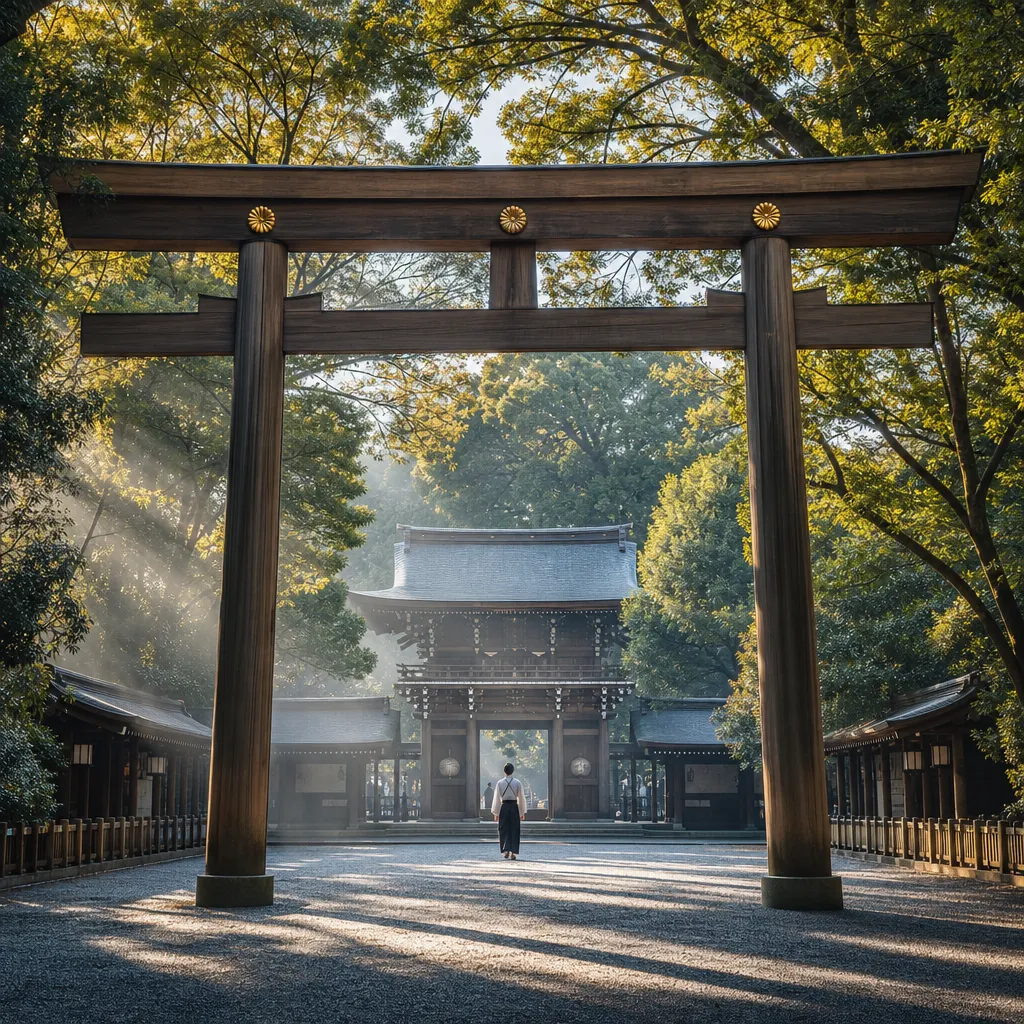
Early morning is especially good for places like Asakusa, Meiji Jingu, and popular streets before group crowds build. Late afternoon into evening works well for observation decks and city-view areas.
Can I manage Tokyo alone without speaking Japanese?
Usually yes, especially in major districts. Station signage is strong, and many visitor-facing places have picture menus, ticket machines, or enough English support for basic transactions.
What should I check before visiting a place?
Check current opening days, ticketing or reservation rules, temporary closures, and exhibition schedules where relevant. This matters most for museums, observation decks, and popular restaurants.
Sources
- GO TOKYO
- Japan National Tourism Organization
- Tokyo Metropolitan Government