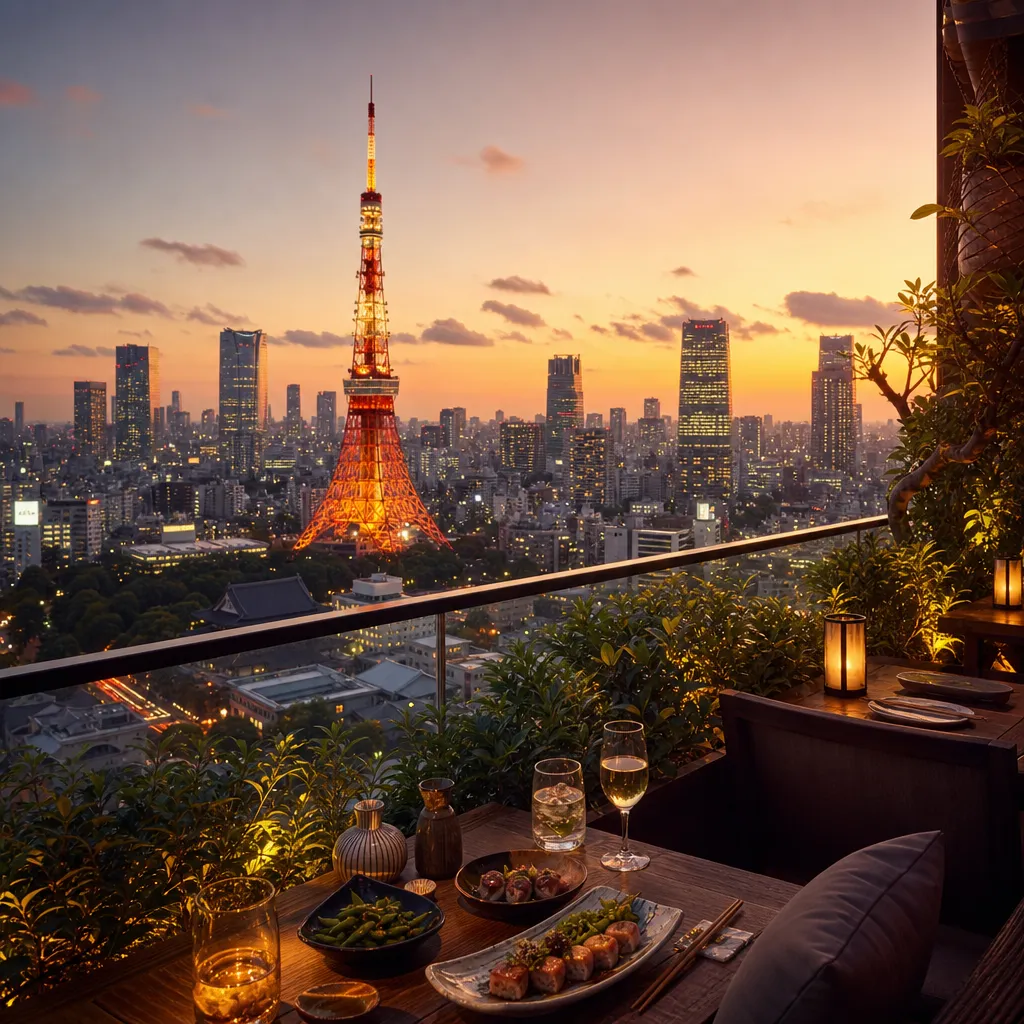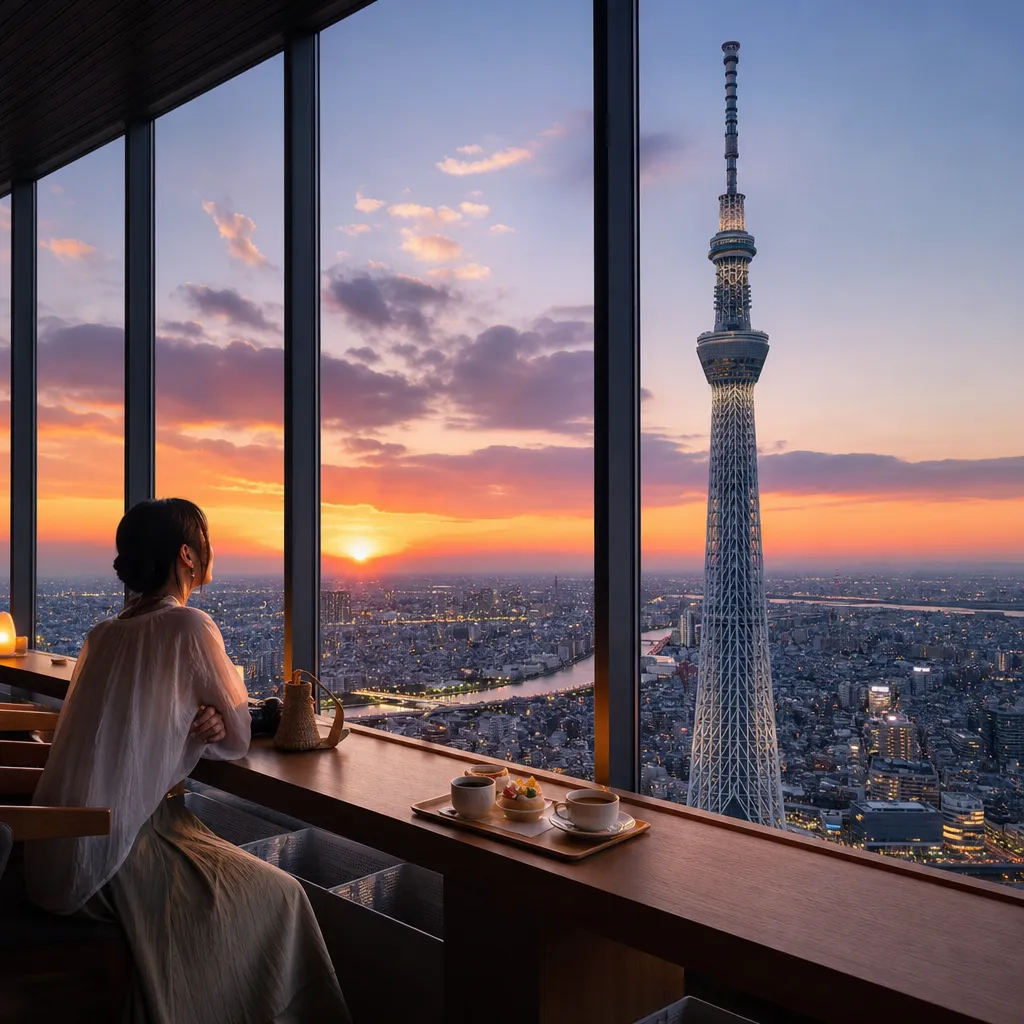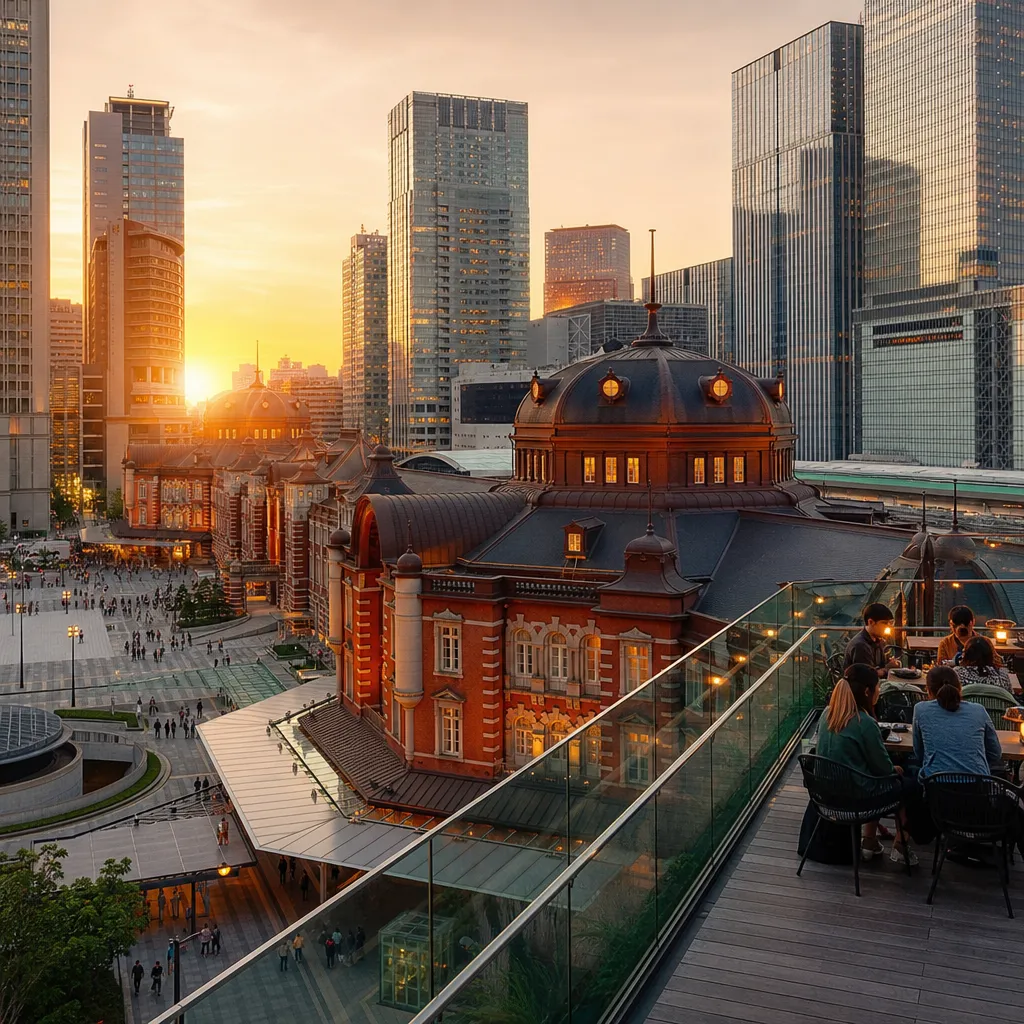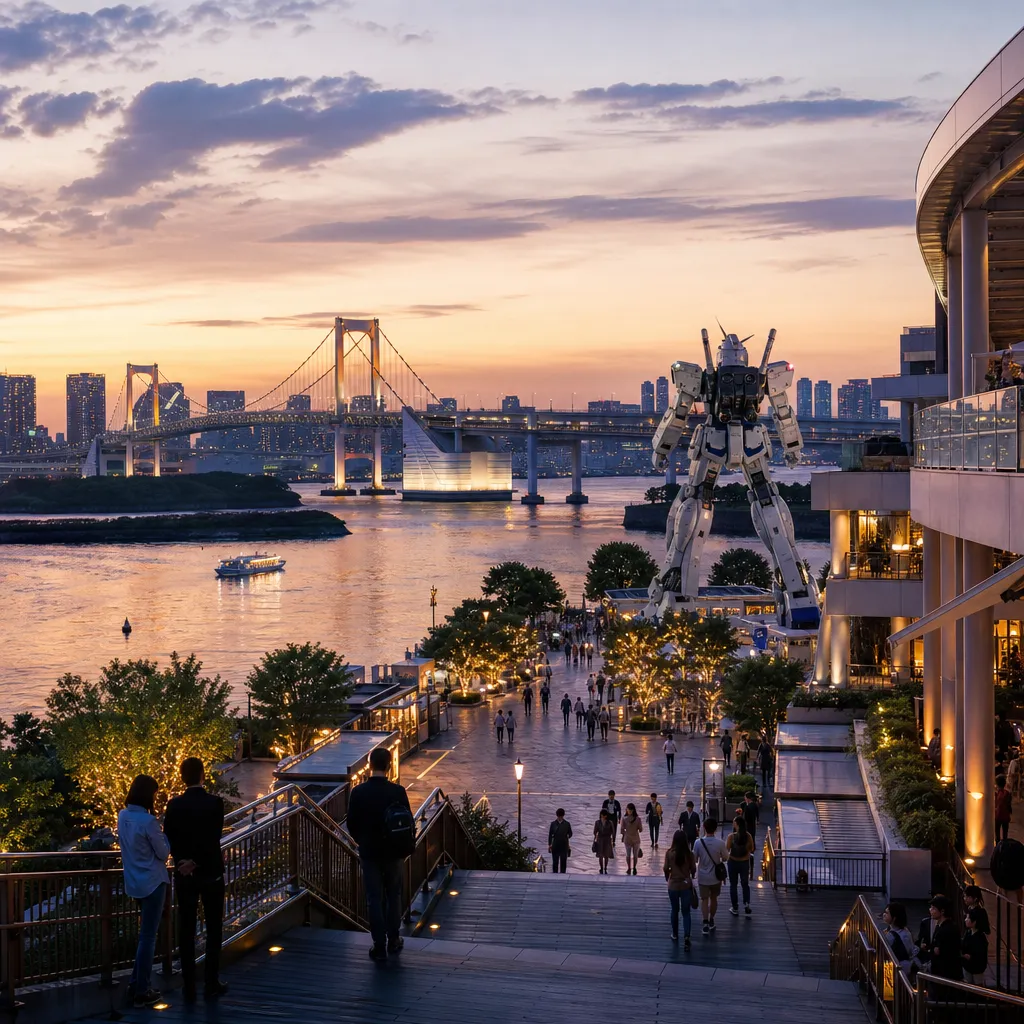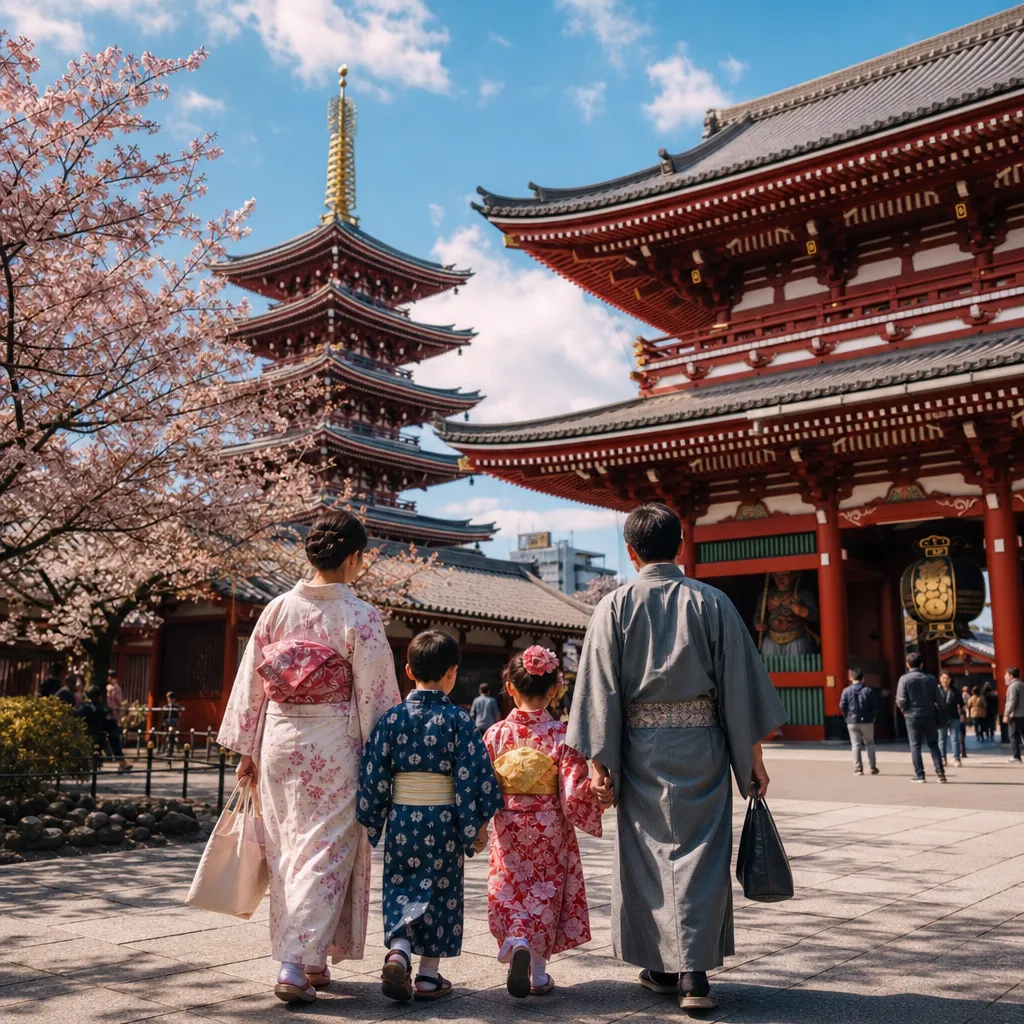
Tokyo works surprisingly well for family travel if you choose the right neighborhoods and pace the day carefully. The city is safe, public transport is efficient, and many major attractions have clean facilities, reliable signage, and food options nearby, but long station transfers and crowded peak periods can wear children out quickly. Families usually do best by mixing one major attraction with one park, museum, or department-store break rather than trying to stack too many famous sights into a single day. The most useful strategy is to base plans around rail hubs such as Ueno, Tokyo Station, Shibuya, Ikebukuro, and Kichijoji, then add nearby activities that suit your children’s age and energy level.
This guide focuses on real places that are practical for visiting with kids, from hands-on museums and animal-focused parks to neighborhoods where meals, restrooms, and rainy-day alternatives are easy to find. It also explains where each place is, how to approach it, and what details matter when you are navigating Tokyo with a stroller, school-age children, or teens.
How to plan Tokyo with kids
Before choosing attractions, think in terms of clusters. Ueno is good for museums, the zoo, and a large park. Odaiba is useful for spacious waterfront walking and indoor entertainment. Kichijoji works well for a slower family day with a park and animation-related sights. Ikebukuro suits families who want shopping, character stores, and a major indoor aquarium.
Try to avoid the busiest commuter periods if you are using trains with small children or a stroller. Mid-morning to mid-afternoon is generally easier than early rush hour. Many stations have elevators, but not every transfer is simple, so allow more time than you would for an adult-only itinerary.
For meals, department stores, train-station complexes, and museum cafés are often easier than hunting for a specific restaurant with tired children. Convenience stores are also genuinely useful for drinks, simple snacks, and emergency breakfast supplies.
| Place | Area | Best For | Type | Key Practical Advantage |
|---|---|---|---|---|
| Ueno Zoo | Ueno, Taito | Young children, first-time family visits | Zoo | Easy to combine with park and museums near Ueno Station |
| National Museum of Nature and Science | Ueno, Taito | Rainy days, curious school-age kids | Museum | Central location inside the Ueno cultural area |
| TeamLab Planets TOKYO DMM | Toyosu, Koto | Older kids, teens, immersive art fans | Interactive art | Good indoor option; advance booking is often wise |
| Tokyo Toy Museum | Yotsuya area, Shinjuku | Toddlers and younger children | Hands-on museum | Small-scale, manageable, strongly child-focused |
| Sunshine Aquarium | Ikebukuro, Toshima | Indoor day with shopping and food nearby | Aquarium | Inside Sunshine City complex near Ikebukuro Station |
| Inokashira Park | Kichijoji, Musashino | Open-air family time | Park | Relaxed western Tokyo setting with cafés and attractions nearby |
Best outdoor family areas
Ueno Park and Ueno Zoo
In the Ueno area of Taito ward, near Ueno Station, this is one of the most practical family destinations in central Tokyo. Ueno Park gives children room to move around, and the zoo adds a classic family attraction without requiring complicated logistics.
The wider area also includes several major museums, so this is a strong choice if the weather is uncertain. Families with younger children often do best by pairing the zoo with casual time in the park rather than trying to cover every nearby institution. The area is busy on weekends and holidays, but it is easy to understand and has plenty of food options around the station.
Inokashira Park
Inokashira Park is in Kichijoji, in western Tokyo, outside the most central tourist districts but still easy to reach by train. It is one of the best places for families who want a slower day after heavy sightseeing in denser areas like Shinjuku or Asakusa.
The park has a pond, walking paths, and a more residential, relaxed atmosphere than many central Tokyo attractions. Kichijoji itself is family-friendly, with department stores, casual dining, and good snack options near the station. This works particularly well with school-age children who need some outdoor time, or parents traveling with grandparents who want a gentler pace.
Shinjuku Gyoen
Shinjuku Gyoen, on the edge of Shinjuku, is a useful green break if your hotel is in western central Tokyo. Although it is more garden than playground, it gives families a calm open space away from the heaviest station crowds.
It suits picnics, stroller walks, and a lighter sightseeing day. Because it is in a major central area, it combines well with department-store dining or an afternoon in nearby indoor attractions. Parents should simply remember that this is more about scenery and rest than rides or high-energy play.
Best museums and indoor attractions for kids
National Museum of Nature and Science
This museum is also in Ueno, Taito ward, close to Ueno Station, and it is one of the most reliable rainy-day choices for families. It is especially good for children interested in dinosaurs, space, animals, and hands-on science themes.
Because it sits inside Ueno’s museum cluster, it is easy to reach and simple to combine with the zoo or park. It is a better choice than many art museums for younger visitors because the subject matter is naturally engaging. School holidays and weekends can be busy, so arriving earlier in the day is usually more comfortable.
Tokyo Toy Museum
The Tokyo Toy Museum is in the Yotsuya area of Shinjuku ward. It is less internationally famous than larger headline attractions, but for families with toddlers and preschool-age children, it can be much more useful.
The focus is on play rather than passive viewing, and the scale is manageable, which matters when children tire easily. This is a smart choice for a half-day rather than a full sightseeing push. It works best for families who want an indoor activity centered on younger kids rather than teens.
TeamLab Planets TOKYO DMM
Located in Toyosu, Koto ward, east of the city center, TeamLab Planets is one of the most memorable indoor attractions for older children and teenagers. The experience is immersive and visual, with digital installations that feel very different from standard museums.
It is usually better for children who can comfortably handle unusual lighting, dark spaces, and sensory environments. Advance booking is often sensible because timed entry may matter. Toyosu is also practical because the area has modern infrastructure and can be combined with other waterfront plans.
Sunshine Aquarium
In Sunshine City, Ikebukuro, Toshima ward, this aquarium is one of the easiest family attractions to integrate into a broader day. Ikebukuro is a major rail hub, and the surrounding complex includes shopping, dining, and other entertainment.
This is a particularly strong option in bad weather or when you need a flexible schedule with breaks for snacks, shopping, or rest. It suits a wide age range, from younger children to teens. Because it is inside a large commercial complex, it is often easier logistically than standalone attractions in less serviced areas.
Anime, character, and pop-culture stops that work for families
Ghibli Museum
The Ghibli Museum is in Mitaka, near Inokashira Park in western Tokyo. For families with children who already know Studio Ghibli films, this can be one of the most rewarding cultural outings in the city.
The key practical point is that tickets are controlled and should be arranged in advance through official channels. Do not plan around it casually as a walk-in stop. It suits school-age children, teens, and adults more than very young toddlers, though younger children may still enjoy the building and atmosphere.
Because it is near Kichijoji and Inokashira Park, the museum fits naturally into a full western Tokyo family day rather than a rushed cross-city detour.
Character shopping in Tokyo Station and Ikebukuro
If your children enjoy Pokémon, Sanrio, Nintendo, or other Japanese characters, two of the easiest areas are Tokyo Station and Ikebukuro. These are not single attractions so much as practical family zones.
Tokyo Character Street, in the Tokyo Station area, is helpful if you want souvenir shopping without sacrificing too much sightseeing time. It works particularly well on arrival or departure days because transport connections are so strong. Ikebukuro, especially around Sunshine City, offers a larger pop-culture ecosystem that can occupy several hours if your children are enthusiastic collectors or fans.
Good neighborhoods for easy family meals and breaks
Ueno
Ueno is one of the best all-around family bases for daytime exploration. Around the station you will find museums, the park, casual restaurants, bakeries, cafés, and department-store food options. It is less intimidating for families than more nightlife-heavy hubs.
Tokyo Station and Marunouchi
The Tokyo Station area is polished, efficient, and useful for families who prioritize transport convenience. The station complex and nearby commercial buildings make it easy to find food without long detours, and the wide surrounding business district is generally easier to navigate than some denser entertainment zones.
Kichijoji
Kichijoji is a strong choice for families who want a local-feeling neighborhood rather than a purely tourist-focused district. It balances shopping, park access, and casual dining well. It is also one of the easier places to slow down and let children lead the pace a bit.
Odaiba and Toyosu
For modern waterfront Tokyo, Odaiba and Toyosu are useful because they offer wider spaces, newer buildings, and multiple indoor options. These areas are less traditional in atmosphere, but very practical with children, especially when you want to avoid the most intense central crowds.
Temples, shrines, and traditional areas with children
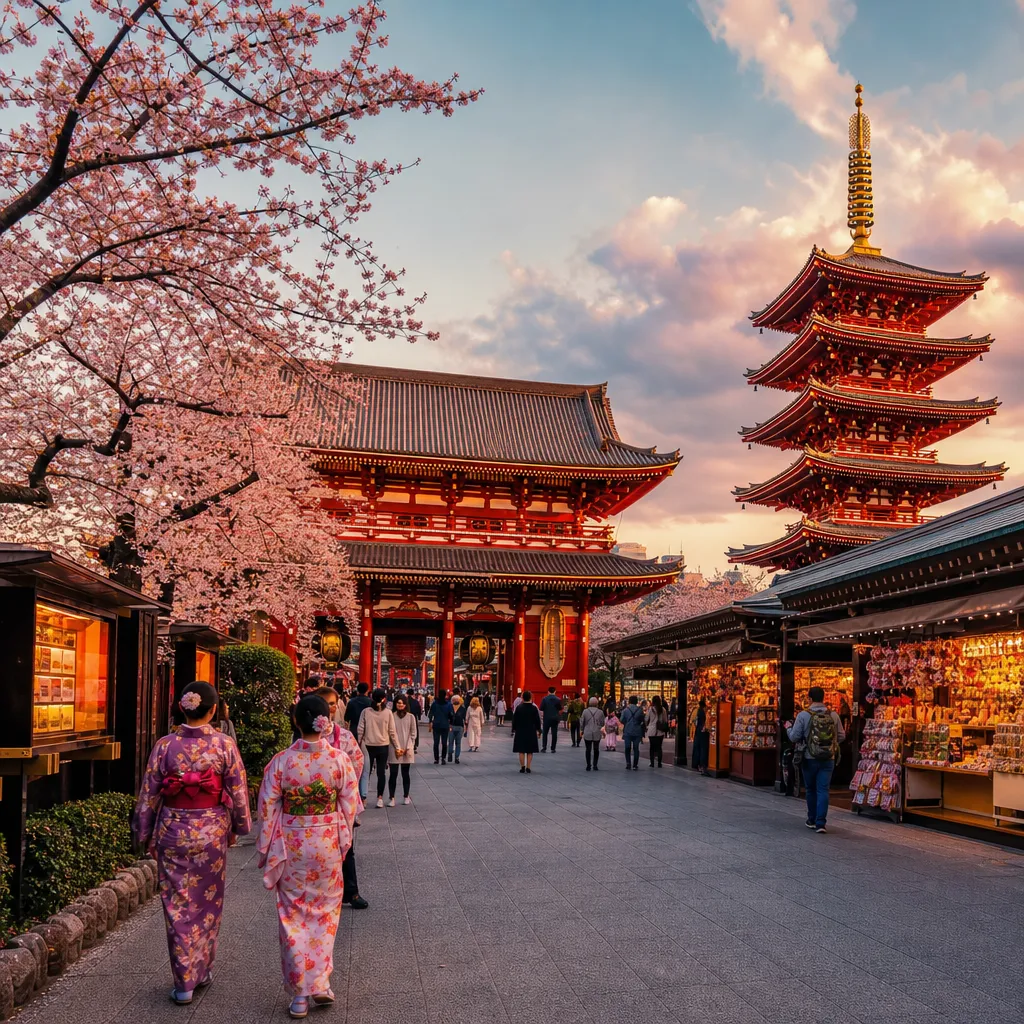
Senso-ji and Asakusa
Asakusa, in Taito ward, is one of the easiest traditional districts to visit with children because the main sights are concentrated and visually engaging. Senso-ji, a Buddhist temple, gives families a clear introduction to historic Tokyo without requiring a long uphill walk or complex route.
The surrounding streets offer snacks, souvenirs, and short-stay sightseeing that works well for limited attention spans. The area can be very crowded in the middle of the day, so earlier visits are often more comfortable. Teach children basic etiquette: avoid loud running inside temple grounds, be respectful near incense burners and prayer areas, and remember it is an active religious site, not just a photo set.
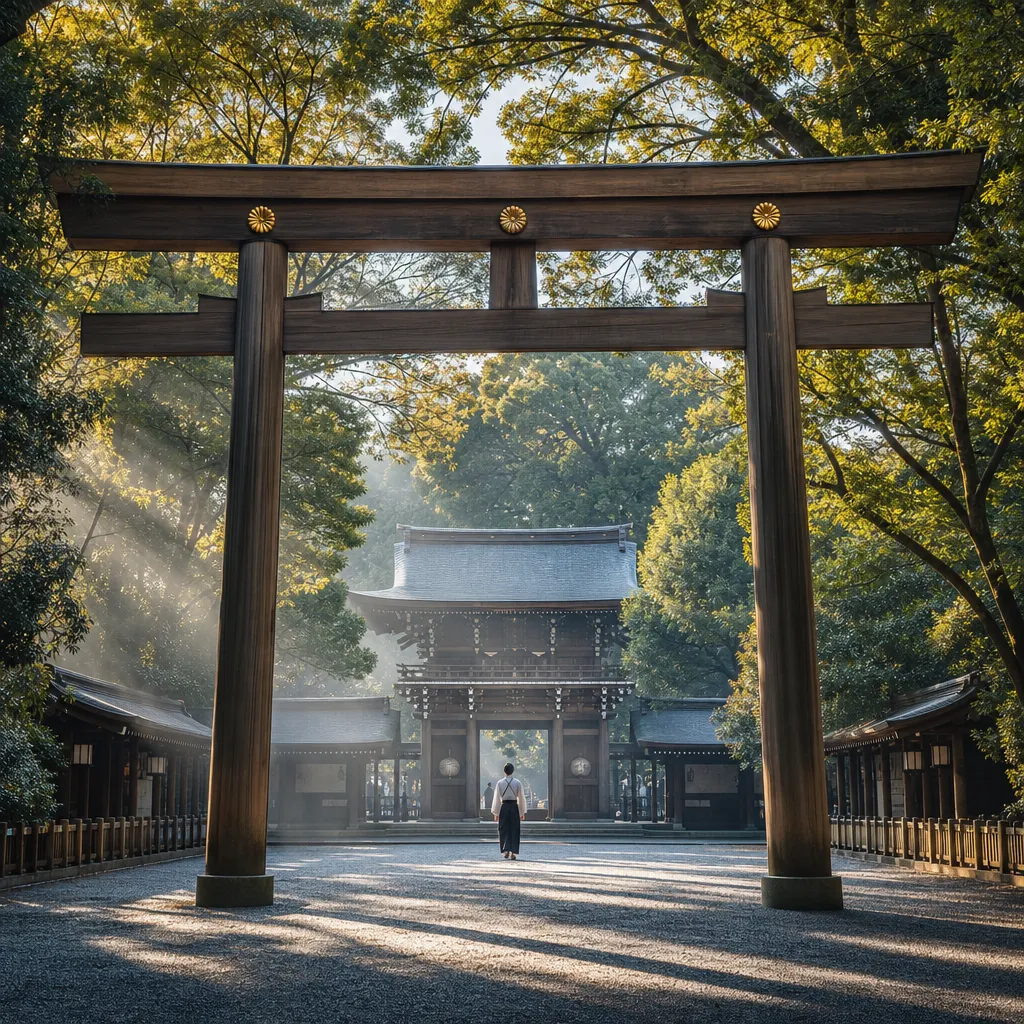
Meiji Jingu
Meiji Jingu is in the Harajuku/Shibuya area, near Harajuku Station and Yoyogi. It is a Shinto shrine set within a wooded precinct, which creates a calmer atmosphere than the surrounding shopping districts.
This can work well for families with older children, especially if paired with nearby parks or a shorter shopping stop. The walk through the shrine grounds is part of the experience, so it is better for children who can comfortably manage some distance. As with any shrine, be respectful at gates, purification areas, and worship spaces.
Rainy-day strategies in Tokyo with kids
Rain does not have to ruin a family day, but it does change which districts are easiest. The most practical rainy-day zones are usually Ueno, Ikebukuro, Tokyo Station, and Toyosu/Odaiba, because they offer strong indoor backups within a compact area.
- Ueno: science museum, other museums, station-area food, and park options if the weather improves.
- Ikebukuro: Sunshine Aquarium, shopping, indoor entertainment, and easy meal breaks.
- Tokyo Station: character shops, station dining, and transport flexibility if plans change.
- Toyosu: immersive art and modern indoor facilities.
If rain is heavy, avoid overcommitting to cross-city travel with multiple train changes. One indoor anchor attraction plus nearby food is usually enough.
Practical tips for transport, strollers, and timing
- Use major stations strategically: Ueno, Tokyo, Ikebukuro, and Shibuya are efficient, but large. Build in extra time for transfers.
- Do not plan around rush hour: mid-morning departures are generally easier with children.
- Keep cashless payment options ready: IC cards are especially helpful for quick station movement.
- Choose one signature attraction per half day: children usually enjoy Tokyo more when the schedule is lighter.
- Check official websites before visiting: ticketing systems, holiday closures, and timed-entry rules can change.
- Department stores are useful family infrastructure: they often solve food, restroom, and shopping needs in one stop.
Suggested family day combinations
Ueno day
Start with Ueno Zoo or the National Museum of Nature and Science, then spend time in Ueno Park and finish with an easy meal near Ueno Station. This is one of the simplest plans for first-time visitors with younger children.
Kichijoji and Mitaka day
Combine Inokashira Park with the Ghibli Museum if you already have tickets. This makes for a calmer, more neighborhood-based family day away from the busiest central districts.
Ikebukuro indoor day
Base the day around Sunshine Aquarium and the wider Sunshine City complex. This works especially well in poor weather or when different family members want different activity levels.
Toyosu day
Use TeamLab Planets as the main attraction, then keep the rest of the day flexible in the wider Toyosu or waterfront area. This is a good fit for older children and teens who may be less interested in zoos or playground-focused outings.
What area of Tokyo is best to stay in with kids?
Areas around Ueno, Tokyo Station, and Ikebukuro are often the most practical because they combine strong transport links with food, shops, and family-friendly day options nearby.
Is Tokyo easy with a stroller?
It is manageable, but large stations and busy train times can be tiring. Elevators exist in many places, though transfers are not always simple, so allowing extra time is important.
Do family attractions in Tokyo need advance booking?
Some do. The Ghibli Museum and TeamLab Planets are the clearest examples where checking official booking arrangements in advance is wise.
What is the best rainy-day area for families?
Ueno and Ikebukuro are among the easiest because they offer multiple indoor attractions and convenient food options near major stations.
Are temples and shrines suitable for children?
Yes, especially places like Senso-ji and Meiji Jingu, as long as children are supervised and basic etiquette is respected.
Is Odaiba or Toyosu better for younger children?
They are practical for families because of their spacious layout and indoor options, but they tend to work best when paired with a specific attraction rather than treated as traditional sightseeing districts.
Can I manage Tokyo with kids without speaking Japanese?
Yes. Major attractions, large stations, and leading museum areas usually have enough signage and visitor support for independent travel, especially if you stay in well-connected districts.
What should I check before visiting family attractions?
Check official websites for current opening information, holiday closures, ticket systems, and any entry rules that may affect children or strollers.
Sources
- GO TOKYO (Tokyo Convention & Visitors Bureau)
- Japan National Tourism Organization
- Tokyo Metropolitan Park Association