Rail travel in Tokyo offers more than a daily commute: it weaves a tapestry of breathtaking landscapes, cultural treasures, and modern architecture. From the neon-lit streets of Shibuya to the tranquil shores of the Tama River, each journey presents a unique perspective on Japan’s capital. Whether you’re a local rail enthusiast or a visitor seeking hidden gems, these routes promise unforgettable experiences. Below, discover some of the most scenic train rides that capture the heart of Tokyo and its surroundings.
Scenic Loops on the Yamanote Line
The JR Yamanote Line circles central Tokyo, linking major districts like Shinjuku, Shibuya, and Ueno. While it’s primarily known for convenience, adventurous travelers can spot captivating views along the route.
Iconic Station Views
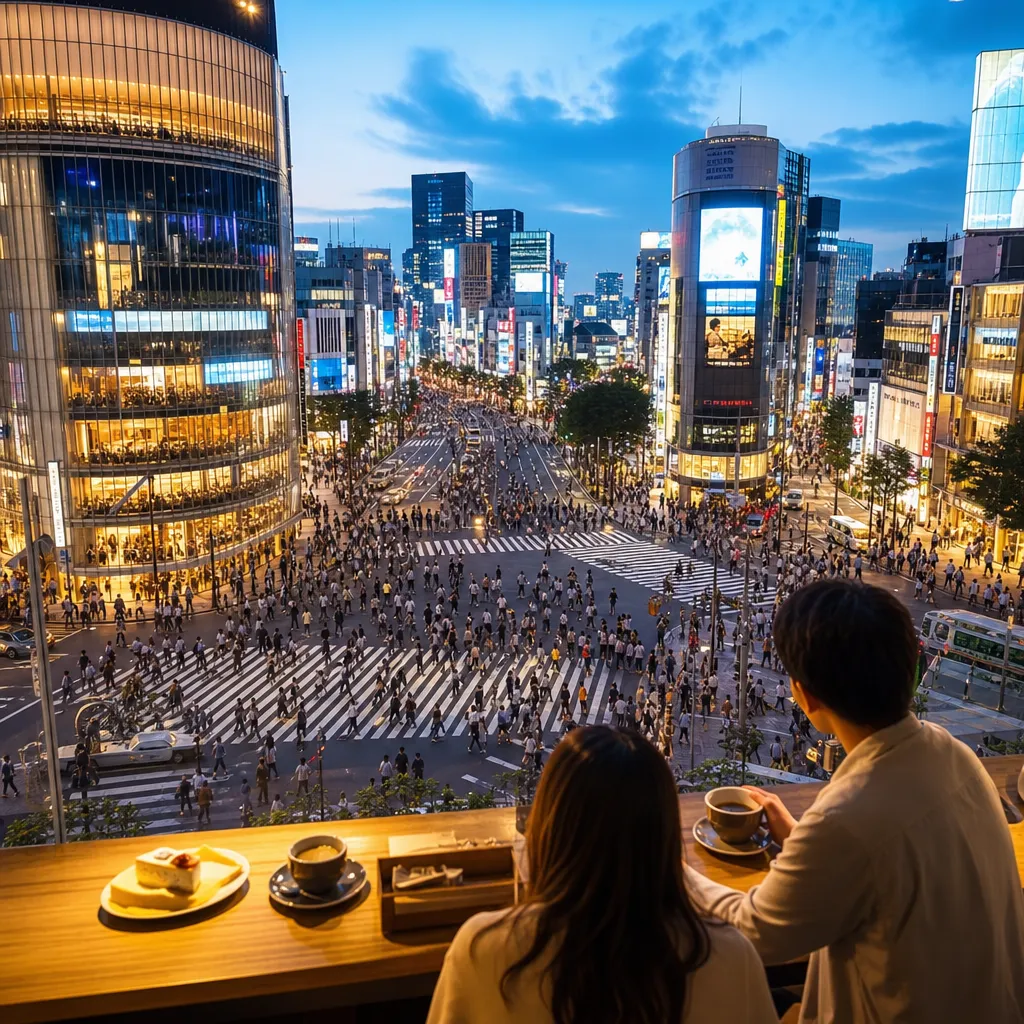
- Shibuya Crossing: Observe the swirling crowds and high-rise backdrop as the train glides past one of the world’s busiest intersections.
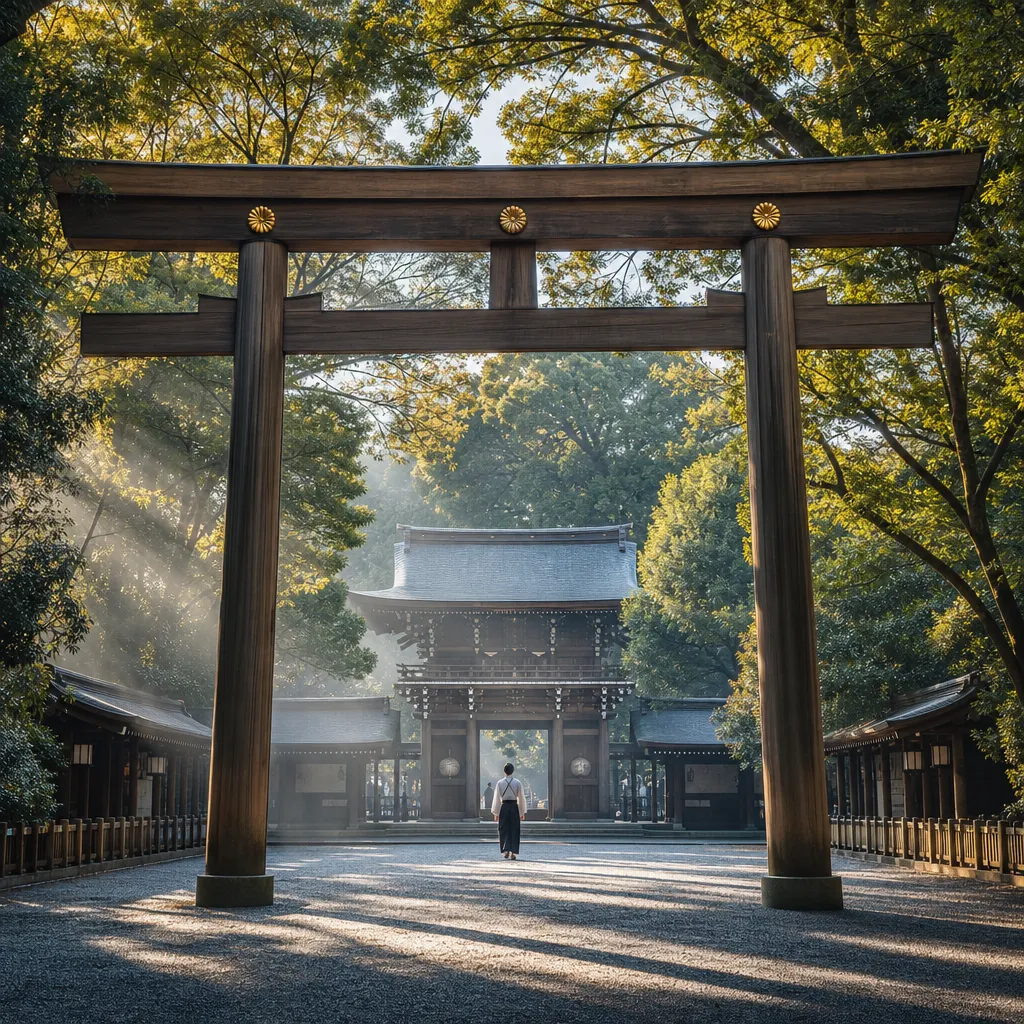
- Harajuku Meiji Shrine Gate: Catch a glimpse of lush greenery before docking at Harajuku Station, where forest and fashion collide.
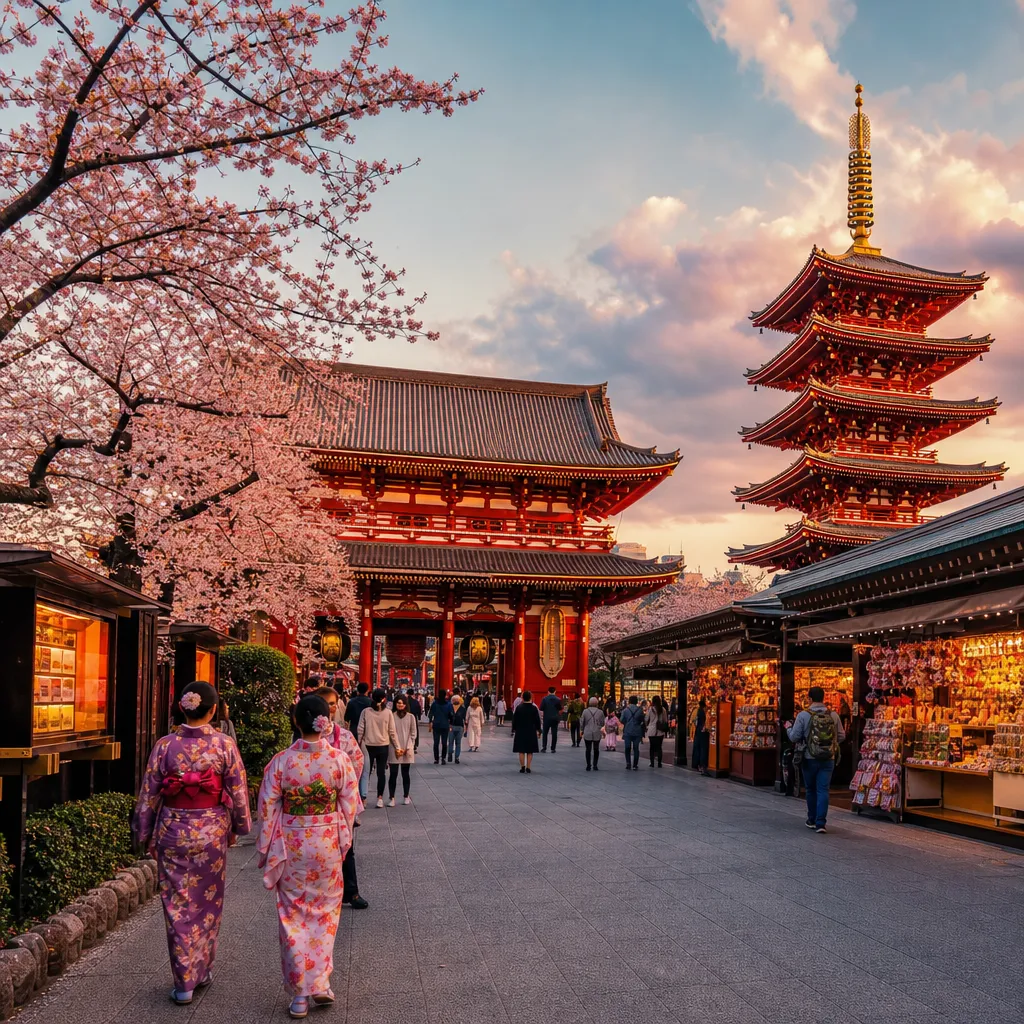
- Ueno Park’s Cherry Trees: In spring, the train window frames rows of blossoms in pastel pink, setting a poetic contrast against urban steel.
Beyond these highlights, the Yamanote Line offers continuous panoramas of towering office complexes, illuminated billboards, and glimpses of hidden shrines between stations. Traveling during off-peak hours increases your chances of securing a window seat for unobstructed photos.
Enchanting Journeys along the Arakawa Tram
The Tokyo Sakura Tram, known officially as the Arakawa Line, runs between Waseda and Minowabashi. As one of only two surviving streetcar lines in the city, it evokes a nostalgic charm reminiscent of mid-20th-century Japan.
Neighborhood Treasures
- Waseda University Grounds: Catch students crossing the avenue against European-style campus buildings.
- Nezu Shrine Approach: Notice vermilion gates peeking through urban trees, offering a cultural oasis.
- Sumida River Crossing: Experience a short bridge span with sweeping river views, perfect for a quick photo stop.
With just 30 stops over 12 kilometers, the Arakawa Tram invites travelers to alight at local cafes, traditional eateries, and quaint temples. As rides cost only a few hundred yen, budget-minded explorers can hop on and off to customize their urban itinerary.
Panoramas toward the Mountains on the Chuo Line
The JR Chuo Main Line departs bustling Tokyo Station and heads west, carving through the outskirts before ascending toward Kofu and the Japanese Alps. Even within the metropolitan area, the ride reveals surprising pockets of rural calm.
Suburban Transitions
- Mitaka’s Ghibli Museum: Catch colorful murals through the window, hinting at whimsical art inside.
- Takao Hillside Vistas: Just before Takaosanguchi, rolling foothills emerge, promising hiking adventures.
- Ome Riverside Scenes: In autumn, foliage along the Tama River burns in fiery hues, framed by the train’s glass.
Long-distance express services like the Azusa and Kaiji connect Tokyo directly with Kofu, offering extended views of vineyards, river valleys, and the imposing silhouette of Mt. Fuji on clear days. For rail aficionados, private Green Cars elevate the experience with spacious seating and panoramic windows.
Coastal Charm on the Keikyu Line
Tracing a path from Shinagawa to Yokohama and beyond to the Miura Peninsula, the Keikyu Main Line balances modernity and seaside serenity. Known for red-and-white trains, it’s a favorite among photographers aiming to capture dynamic cityscapes dissolving into coastal panoramas.
Shoreline Highlights
- Zushi & Hayama Beaches: Witness surfers and sunbathers from your seat, with distant mountains on the horizon.
- Yokosuka Historic Dockyards: Pass naval vessels and brick warehouses that testify to Japan’s maritime history.
- Miura Kaigan Promenade: At low tide, mudflats transform into vivid tidal pools, reflecting pink dawn skies.
Quick express services skip less scenic stops, but the local trains provide rich, slow-paced views. Consider a day pass to explore seaside towns, fresh fish markets, and viewpoints overlooking Sagami Bay.
Hidden Gems on the Seibu Ikebukuro Line
Departing from Ikebukuro, one of Tokyo’s busiest terminals, the Seibu Ikebukuro Line ventures northwest through verdant valleys and historic towns. It’s an ideal route for discovering lesser-known landmarks and cultural pockets.
Cultural Stops
- Hoya Plum Grove: In late February, the plum blossoms burst into bloom, perfuming the air with sweet fragrance.
- Ashikaga Shrine Festival Grounds: Seasonal lantern festivals light up ancient cedar groves.
- Chichibu Night Festival Detours: Special trains operate in December, catering to travelers eager to witness one of Japan’s grandest floats parades.
For nature lovers, switching to the Seibu Chichibu Line at Agano yields mountain vistas and wildflower-covered hills, especially vibrant during May’s vivid bloom. Beaches, rivers, and fall foliage are all accessible via seamless rail connections.
Nighttime Illuminations on the Tokyo Metro
While most daytime routes focus on landscapes, Tokyo Metro lines reveal a different dimension under city lights. Riding the Ginza, Marunouchi, or Hanzomon lines after dusk highlights how Tokyo transforms into a neon wonderland.
- Ginza Street Glow: The Ginza station-to-station ride showcases glittering storefronts and LED art installations.
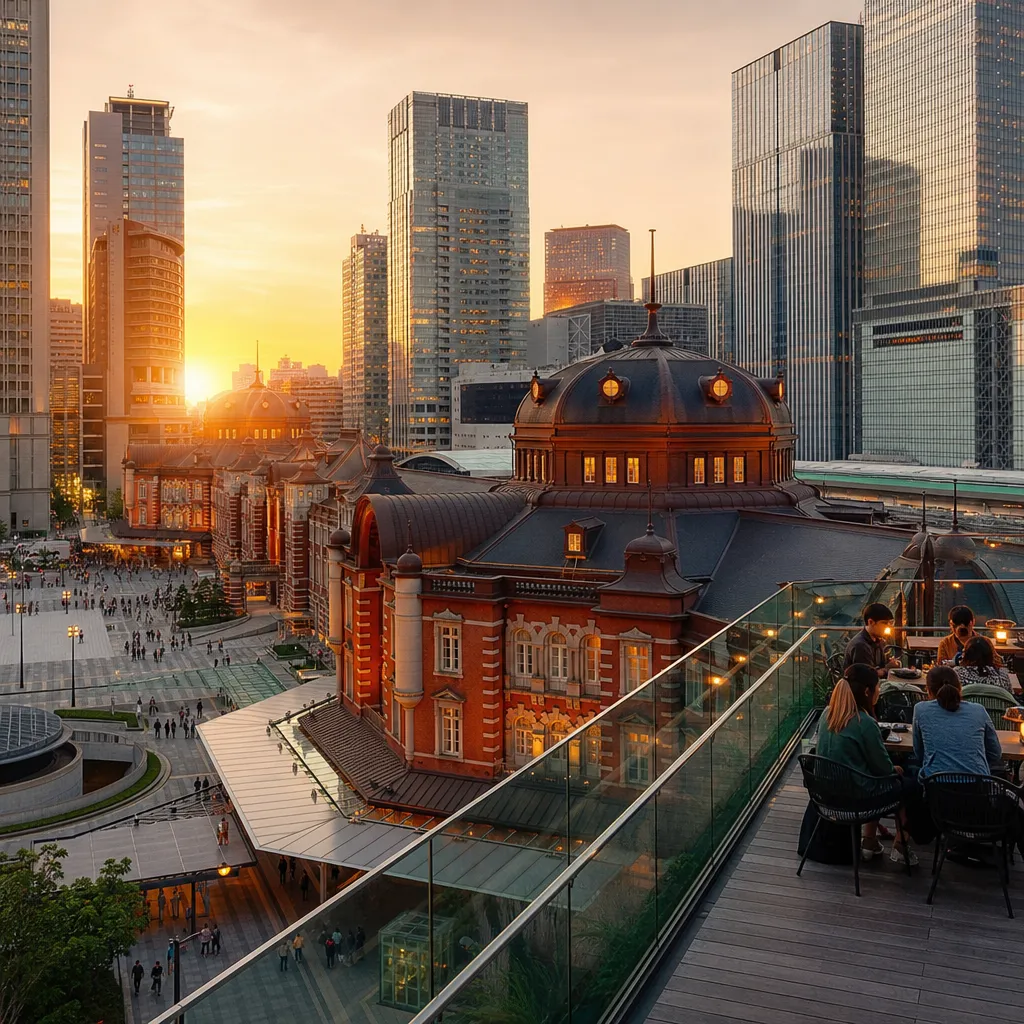
- Marunouchi Roundabout: View colossal screens and illuminated office towers circling Tokyo Station’s historic façade.
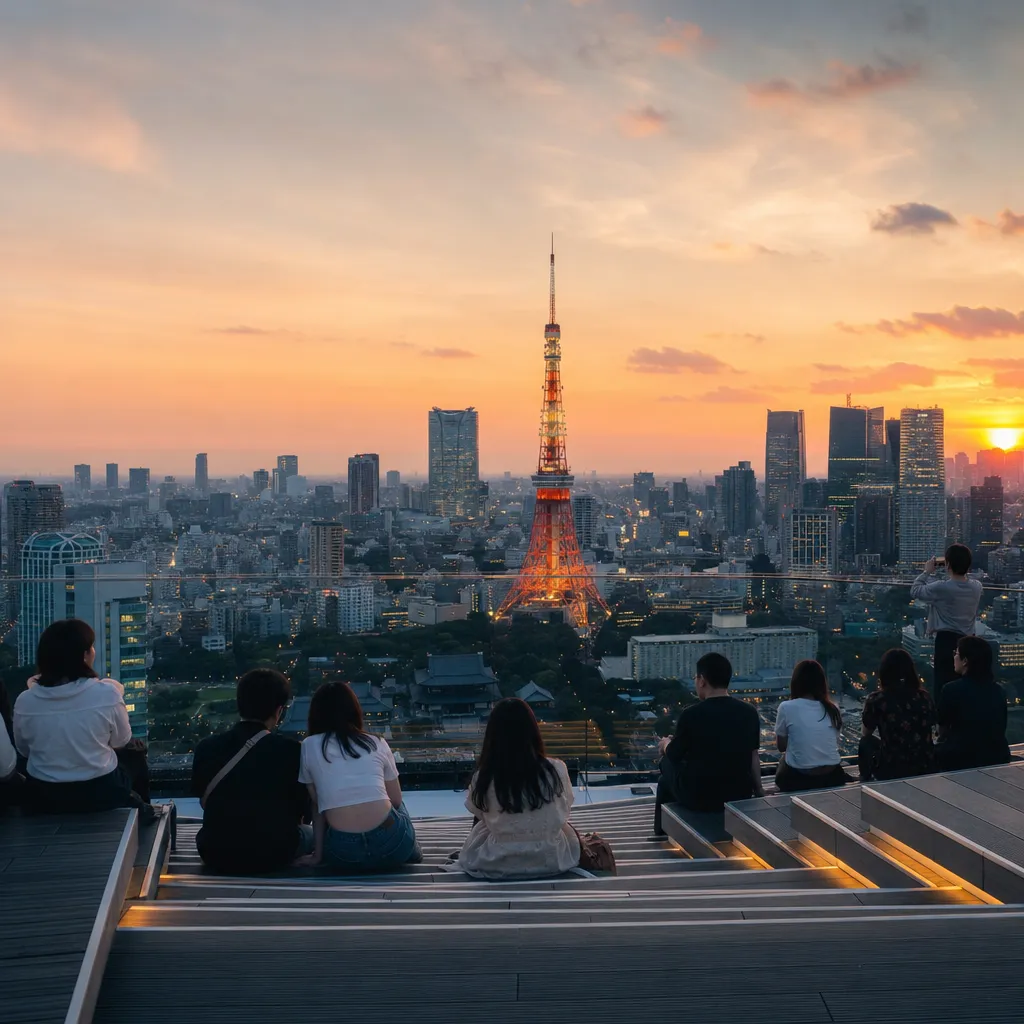
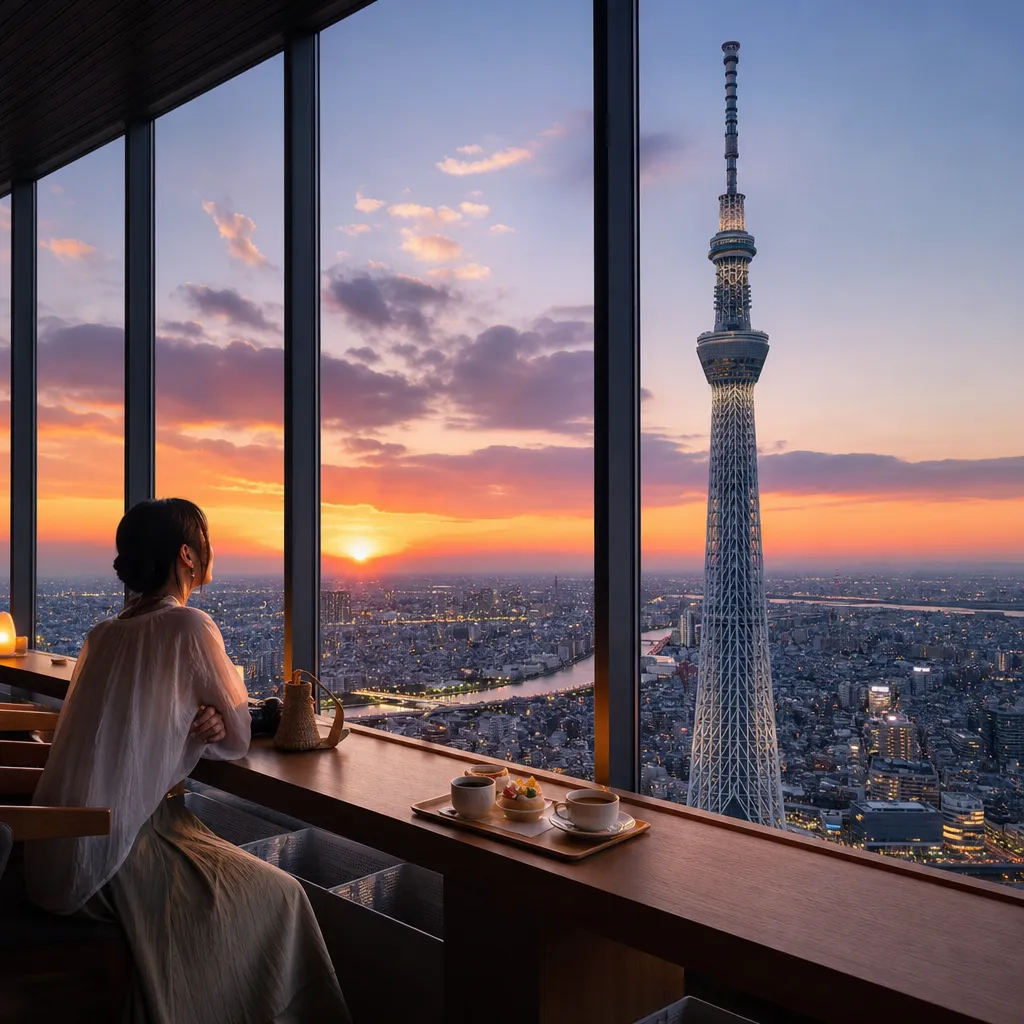
- Sumida River Bridges: From Oshiage, the elevated line offers glimpses of the Skytree’s luminous spire reflected in rippling waters.
Pair this with short walking detours to hidden rooftop bars or riverside promenades for a fully immersive nocturnal adventure.
Seasonal Splendors: Special Sightseeing Trains
For travelers seeking curated experiences, several operators run themed trains throughout the year:
- Sakura Trains in spring, featuring pink interiors and complimentary cherry blossom views.
- Autumn Foliage Express in November, offering onboard commentary about local temples and fall colors.
- Winter Illumination Cars in December, complete with festive lights and warm beverages.
These limited services often require advance reservations but reward passengers with exclusive onboard amenities and guided commentary. They connect major hubs with temples, gardens, and lakes famous for their seasonal beauty.
Practical Tips for Scenic Rail Adventures
- Choose window seats on the right or left side depending on whether you prefer urban skylines or natural vistas.
- Travel during off-peak hours to secure unobstructed views and avoid crowded carriages.
- Carry a small tripod or phone stabilizer for crisp photos through moving glass.
- Check local timetables for express vs. local services—sometimes slowing down yields richer scenery.
- Pack snacks and water for longer rides, especially on lines with fewer onboard vending options.
By embracing Tokyo’s multifaceted rail network, you’ll uncover hidden treasures that lie just beyond the city’s famed skyscrapers. Each ride becomes an opportunity to witness the interplay of history, nature, and cutting-edge design that defines this ever-evolving metropolis.