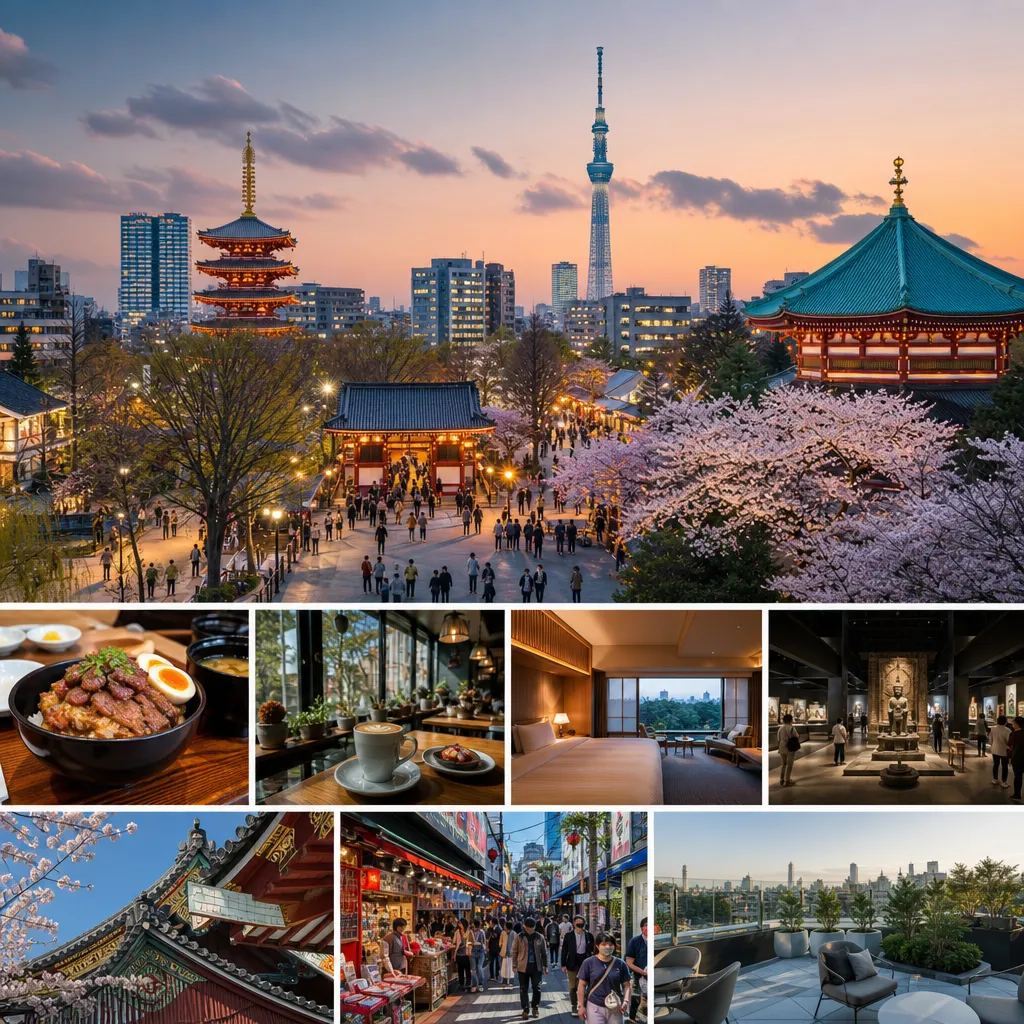
Ueno is one of the easiest parts of Tokyo to turn into a full day out. Around Ueno Station you have major museums, one of the city’s best urban parks, old-market energy in nearby Ameyoko, and straightforward train access to places like Asakusa, Akihabara, and Narita Airport. It is busy rather than polished, which is part of the appeal: grand cultural institutions sit next to discount shopping streets, casual izakaya alleys, and family attractions. If you want a practical base with a lot to do on foot, Ueno works exceptionally well.
The core area most visitors mean by “Ueno” sits in Taito City, on the eastern side of central Tokyo. JR Ueno Station and Keisei Ueno Station are the transport anchors, and Okachimachi Station to the south is also useful, especially for Ameyoko and shopping. The atmosphere shifts quickly depending on which side of the station you are on: Ueno Park is spacious and cultural, while the Ameyoko side is busier, noisier, and more food-and-shopping driven.
Why stay in Ueno
Ueno is one of the most practical districts in Tokyo for first-time visitors, families, and travelers who want convenience without paying central luxury-district prices. You can reach it easily on the JR Yamanote Line and several Tokyo Metro lines, and the Keisei connection is particularly useful for airport transfers to and from Narita.
It also suits travelers who value flexible sightseeing. You can spend the morning in museums, have lunch around the station, visit a temple or shrine, shop in Ameyoko, and finish with casual drinking or dinner without needing multiple train rides. Compared with districts that are more nightlife-focused, Ueno is active but generally easier to navigate during the day.
| Place | Area | Type | Best For | Key Feature |
|---|---|---|---|---|
| Ueno Park | Around Ueno Station | Park / cultural hub | Walking, museums, cherry blossom season | Large park linking several major attractions |
| Tokyo National Museum | Ueno Park | Museum | Japanese art and history | The city’s most important collection of traditional art |
| National Museum of Nature and Science | Ueno Park | Museum | Families and science-focused visitors | Strong natural history and science displays |
| Ueno Zoo | Ueno Park | Family attraction | Children and relaxed daytime visits | Historic zoo inside the park |
| Ameyoko | Between Ueno and Okachimachi | Market street / shopping | Street atmosphere, snacks, casual shopping | Dense, lively market-style corridor under and around the tracks |
| Shinobazu Pond | South side of Ueno Park | Scenic area / temple access | Photography, lower-key park walk | Wide pond views and access to Bentendo |
What to see first in Ueno
Ueno Park
Ueno Park is the district’s main landmark and the easiest place to start. It is immediately associated with Ueno Station and contains museums, monuments, broad walking paths, seasonal greenery, and some of the area’s best people-watching. During cherry blossom season it becomes one of Tokyo’s busiest hanami spots, so expect heavy crowds then.
Outside peak sakura season, mornings are usually the most comfortable time for a quieter walk. The park suits almost everyone: solo travelers, families, and photographers in particular. Wear comfortable shoes because even a casual visit often expands into a museum stop or a detour toward the pond.
Shinobazu Pond and Bentendo
On the southern side of the park, Shinobazu Pond gives the Ueno area a more open, scenic feel. Depending on the season, lotus leaves can dramatically change the look of the water, making it a rewarding spot for photographers and walkers who want a break from the station crowds.
In the middle area sits Bentendo, a temple hall on an island-like setting connected by causeway. This part of Ueno feels calmer than the Ameyoko side, especially in the morning. It is best approached as a walking stop rather than a destination requiring a long dedicated visit.
Ueno Toshogu Shrine
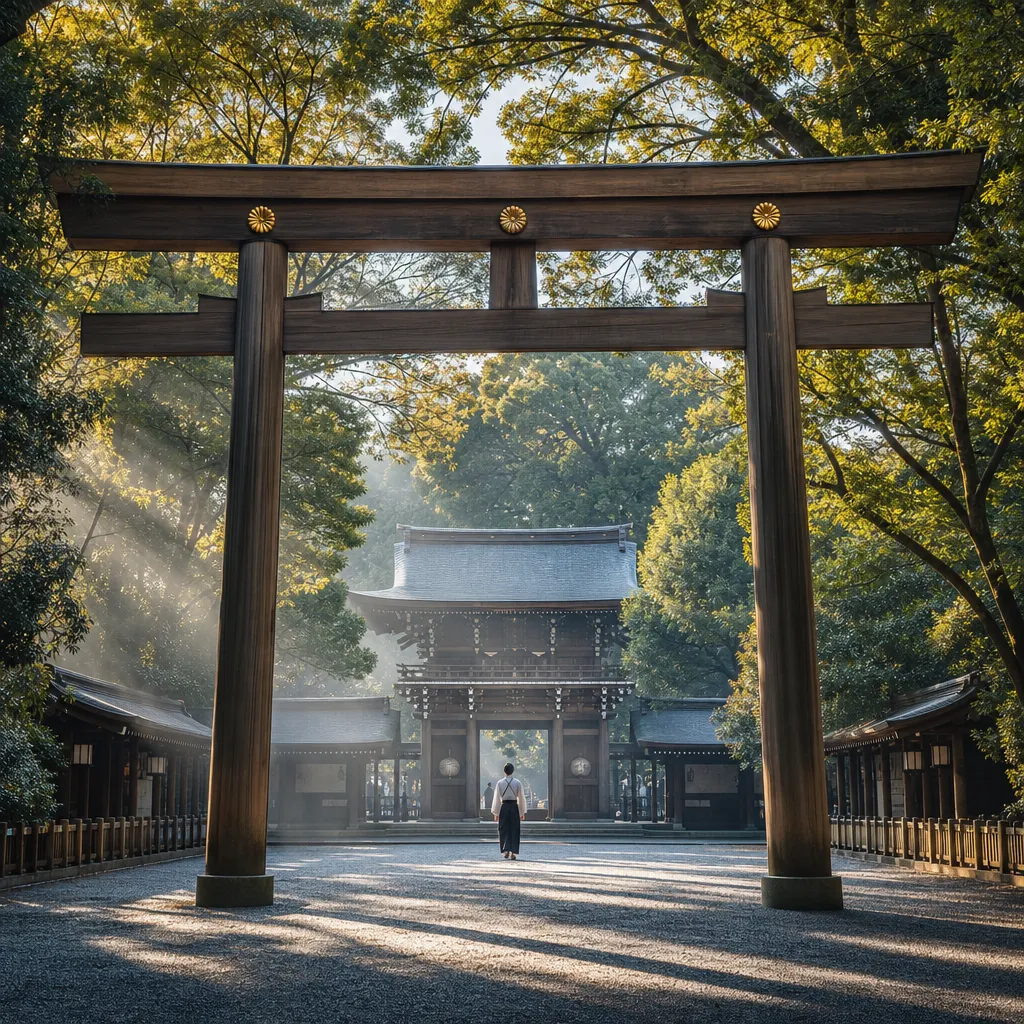
Also within the wider park area, Ueno Toshogu is a Shinto shrine known for its historic setting and decorative architecture. It offers a more formal and contemplative contrast to the market streets outside the park. Visitors should behave as they would at other shrines in Japan: keep voices low, avoid blocking worship areas, and be respectful if ceremonies are taking place.
The best museums in Ueno
Tokyo National Museum
If you only choose one museum in Ueno, this is the strongest candidate for many travelers. Located in Ueno Park, it is the most important place in the district for Japanese art, archaeology, Buddhist sculpture, samurai-related materials, ceramics, and changing special exhibitions. For visitors interested in historical context rather than only entertainment, it is invaluable.
This museum rewards a focused visit more than a rushed one. If you are not deeply interested in art history, choose one or two buildings instead of trying to see everything. It suits solo travelers, couples, repeat visitors to Japan, and anyone wanting a stronger cultural foundation for the rest of their trip.
National Museum of Nature and Science
Also in Ueno Park, this is one of the area’s most useful indoor attractions for families and science-minded visitors. The museum covers natural history, Japanese scientific development, and broad educational themes in a way that works well even if you do not read every label in detail.
It is a good option on rainy days and often easier for mixed-age groups than a fine-art museum. Families with children often combine it with the zoo or a park walk.
National Museum of Western Art
Near the park entrance by Ueno Station, the National Museum of Western Art is important not only for its collection but also for its architecture. The main building is associated with Le Corbusier, making it relevant for architecture-focused travelers as well as museum-goers.
Because of its location close to the station, it is one of the easiest museums to slot into a shorter Ueno itinerary. If you want one museum and one outdoor walk without spending your whole day indoors, this is a very manageable choice.
Food and market streets: where Ueno feels most alive
Ameyoko
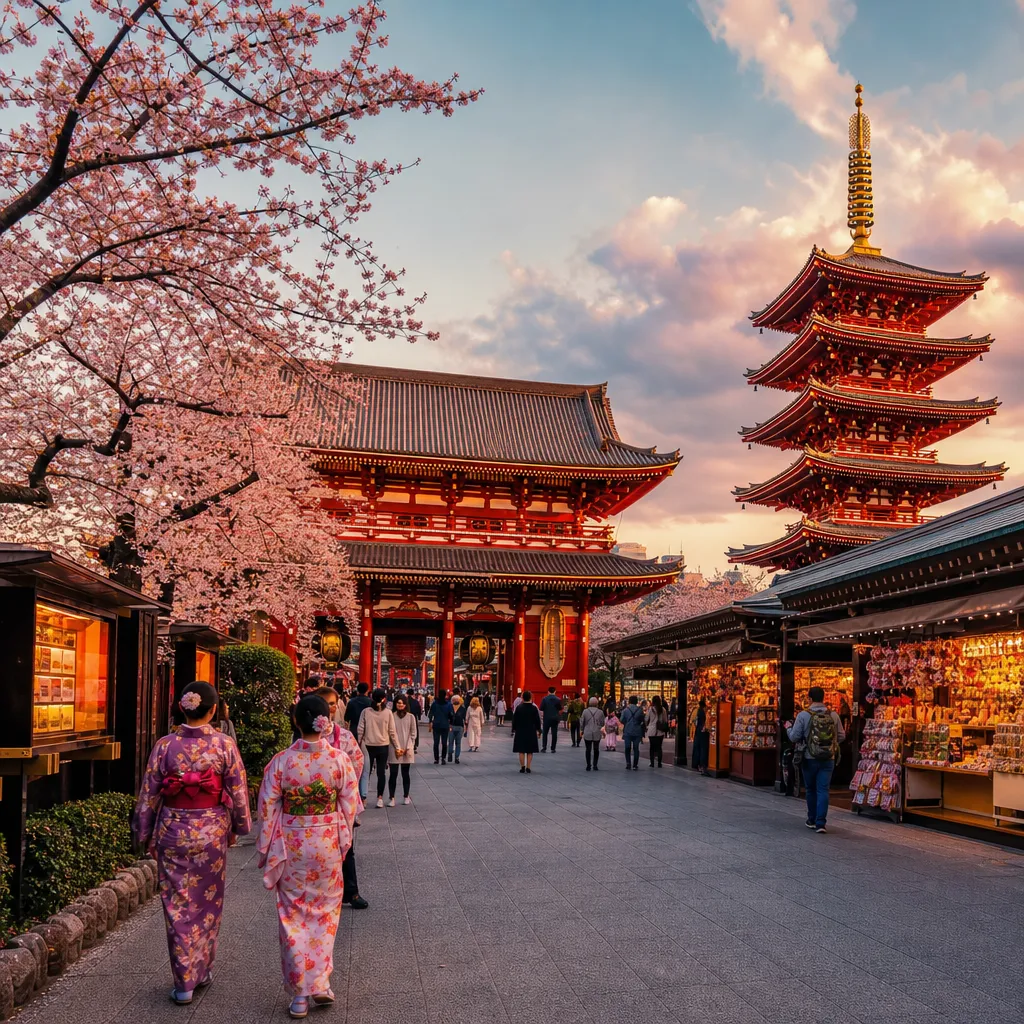
Ameyoko runs between the Ueno and Okachimachi area and is the district’s most energetic stretch for casual food, snacks, discount shopping, and quick browsing. It is not a polished food destination in the way that department-store dining floors are; its appeal lies in the layered market atmosphere, shop signs, street-level grilling smells, and dense foot traffic.
Come here if you want low-formality eating rather than a special-occasion meal. You will find seafood-focused stalls, sweets, everyday market shops, and plenty of casual places to pause for a bite. Even travelers who are not shopping much often enjoy it simply as a street scene.
The area is busiest in late afternoon and early evening, though daytime works better if you want to browse without as much pressure from crowds. If you are traveling with a stroller or large luggage, it can feel cramped.
Casual dining around Ueno Station and Okachimachi
Beyond Ameyoko itself, the wider station area is strong for practical eating: ramen, tonkatsu, izakaya, kissaten-style cafés, conveyor-belt or casual sushi, and dependable chain options if you need speed and convenience. This is not the district to chase Tokyo’s most theatrical fine dining, but it is excellent for approachable, mid-range, and budget-conscious meals.
For dinner, decide whether you want atmosphere or efficiency. The busier lanes around Ameyoko and under the railway lines are better for lively izakaya energy, while streets slightly away from the market are often easier if you want a calmer sit-down meal.
Family-friendly things to do
Ueno Zoo
Ueno Zoo, inside Ueno Park, is one of the district’s most obvious family attractions and easy to combine with other stops. It is best treated as a half-day activity if children want to move at their own pace. Families should avoid overloading the day with too many museum visits afterward unless everyone is already comfortable with long city walks.
Because the zoo sits within a very busy sightseeing area, arriving earlier in the day is usually more practical than showing up after lunch. Check current operating information before visiting, as zoo schedules can vary by season and day.
Museum combination planning for children
For families, the most realistic Ueno plan is often one museum plus one outdoor activity rather than trying to cover the whole park. The National Museum of Nature and Science pairs especially well with either the zoo or Shinobazu Pond. This mix gives structure to the day while still leaving time for snacks and rest stops near the station.
Shopping in and around Ueno
Ueno is not Tokyo’s most fashion-forward shopping district, but it is very useful. Ameyoko remains the headline draw for market-style browsing, discount goods, snacks, and an older-school station-district feel that differs from polished retail zones like Ginza. Okachimachi, just south of Ueno, broadens the options and is convenient if you want to continue on foot.
You will also find practical travel shopping around the station area: drugstores, bag shops, souvenirs, and everyday department-store functions nearby. This makes Ueno especially good for travelers who want a district where sightseeing and errands can happen in the same afternoon.
Where to stay in Ueno
Ueno is a strong hotel area for travelers who prioritize transport and walkability over luxury atmosphere. The station surroundings have a broad range of business hotels, mid-range international options, and practical stays aimed at independent travelers. If you have an early train, a museum-focused itinerary, or a Narita transfer to think about, staying here is especially convenient.
The feel varies block by block. Hotels facing major roads or directly near the station are the most convenient but can feel busier. Slightly farther into the wider Ueno or Okachimachi area can be calmer while still remaining practical. Families often appreciate the relative simplicity of the area compared with larger nightlife districts.
Travelers looking for a traditional ryokan-style atmosphere usually have more distinctive options in nearby Asakusa than in Ueno itself, though Ueno remains the better pure transport base for many itineraries.
How to plan a one-day Ueno itinerary
- Morning: Start in Ueno Park while it is relatively calm.
- Late morning: Choose one major museum, ideally the Tokyo National Museum or the National Museum of Nature and Science.
- Lunch: Eat near Ueno Station or in the Ameyoko area depending on whether you want a sit-down meal or quick market-style food.
- Afternoon: Walk through Shinobazu Pond, visit Ueno Toshogu if that interests you, or add Ueno Zoo for families.
- Early evening: Explore Ameyoko and continue toward Okachimachi for shopping or casual drinks.
This structure works well because it follows the natural geography of the district. It also lets you adjust for weather: museums can expand on rainy days, while park time can expand in mild spring or autumn conditions.
Practical tips before you go
Transport: JR Ueno Station is the main hub, but Keisei Ueno is important for airport access, and Okachimachi is useful for southern parts of the district.
Best time of day: Morning is best for the park and museums; late afternoon into evening is best for Ameyoko’s energy.
Crowds: Expect heavy congestion during cherry blossom season, on weekends, and around holiday periods.
Food planning: Casual walk-ins are usually easy in the wider area, but specific popular restaurants may still require waiting or reservations depending on the venue.
Weather strategy: Ueno is one of Tokyo’s easiest districts to adapt to rain because the museum concentration is so strong.
Who it suits best: First-time visitors, families, solo travelers, rail-focused itineraries, and anyone who wants culture plus convenience in one compact district.
FAQ
What area of Ueno is best for first-time visitors?
The area around Ueno Station and Ueno Park is the easiest starting point. It puts museums, park walks, and transport all in one place, with Ameyoko close by for food and shopping.
How much time should I spend in Ueno?
A half day works for a quick park-and-market visit, but a full day is better if you want at least one major museum. Families or art-focused travelers can easily spend longer.
Is Ueno better for museums or food?
It is strongest when you combine both. Ueno Park makes it one of Tokyo’s best museum districts, while Ameyoko and the station area are excellent for casual eating.
Do I need reservations in Ueno?
For museums and general sightseeing, usually not, though special exhibitions may have separate arrangements. For casual meals, walk-ins are often realistic, but popular restaurants can still have queues.
Is Ueno suitable for families with children?
Yes. Ueno Zoo, the National Museum of Nature and Science, and the open space of the park make it one of the more family-friendly central districts.
Can I visit Ueno without speaking Japanese?
Yes. Major museums and transport signage are generally manageable for international visitors, and the area is well used to tourism.
What should I check before visiting?
Check current museum exhibition schedules, zoo operating days, and any seasonal crowd conditions such as cherry blossom timing. If you want a specific restaurant, confirm its latest opening information directly.
Sources
- GO TOKYO (Tokyo Convention & Visitors Bureau)
- Tokyo National Museum
- Tokyo Zoological Park Society