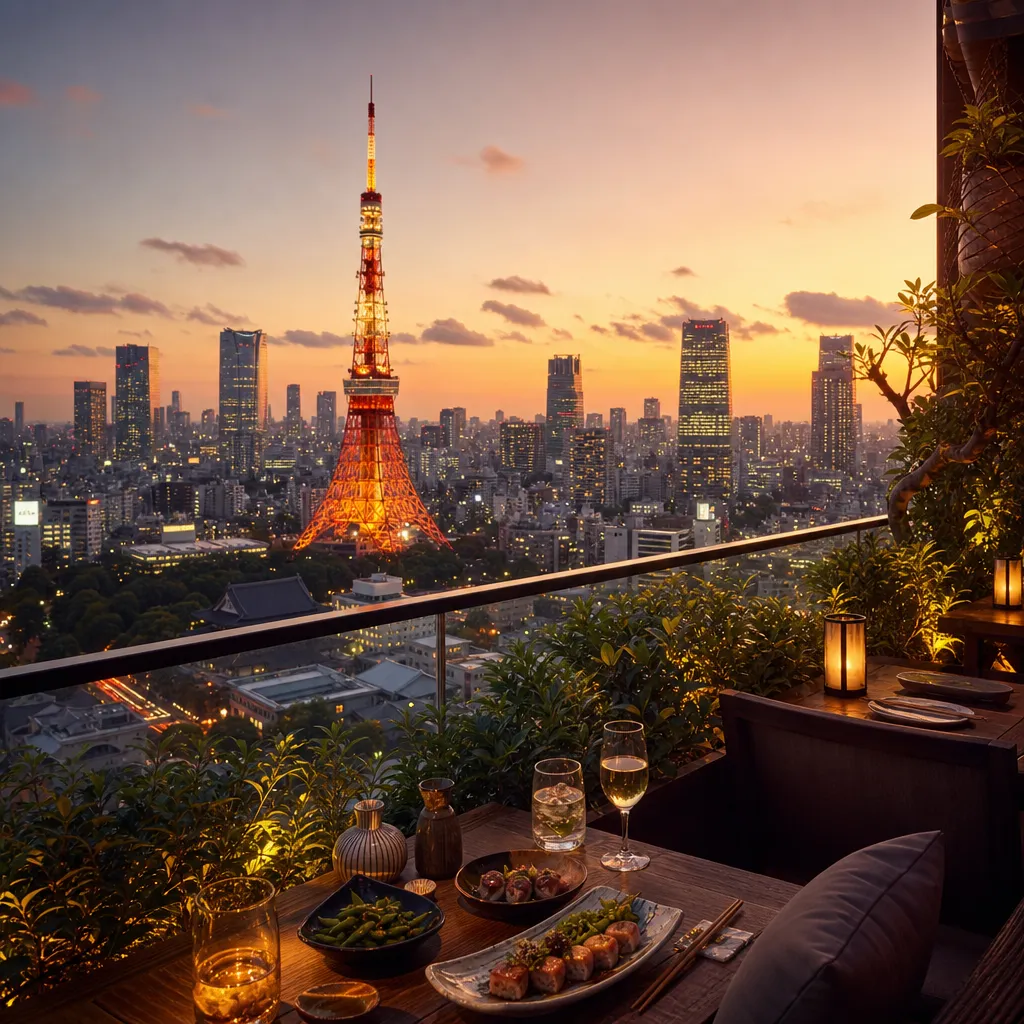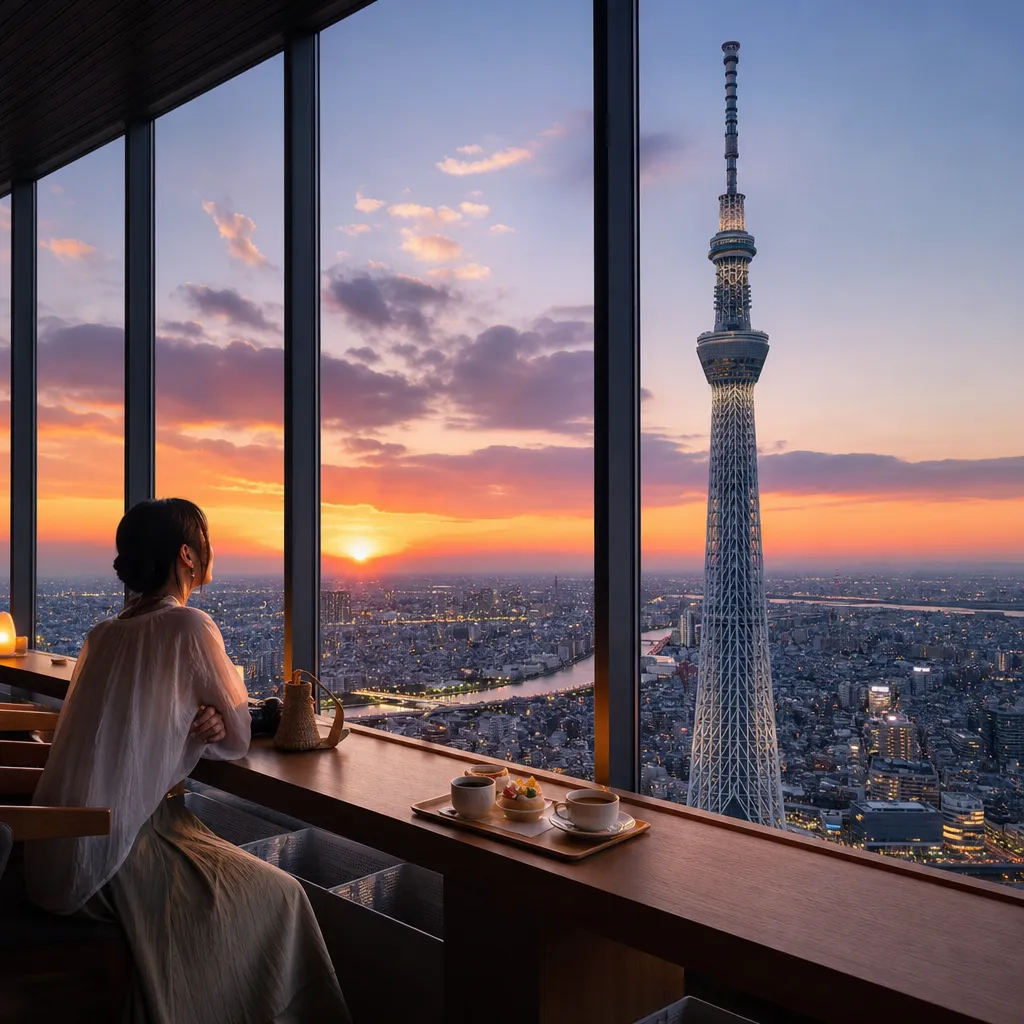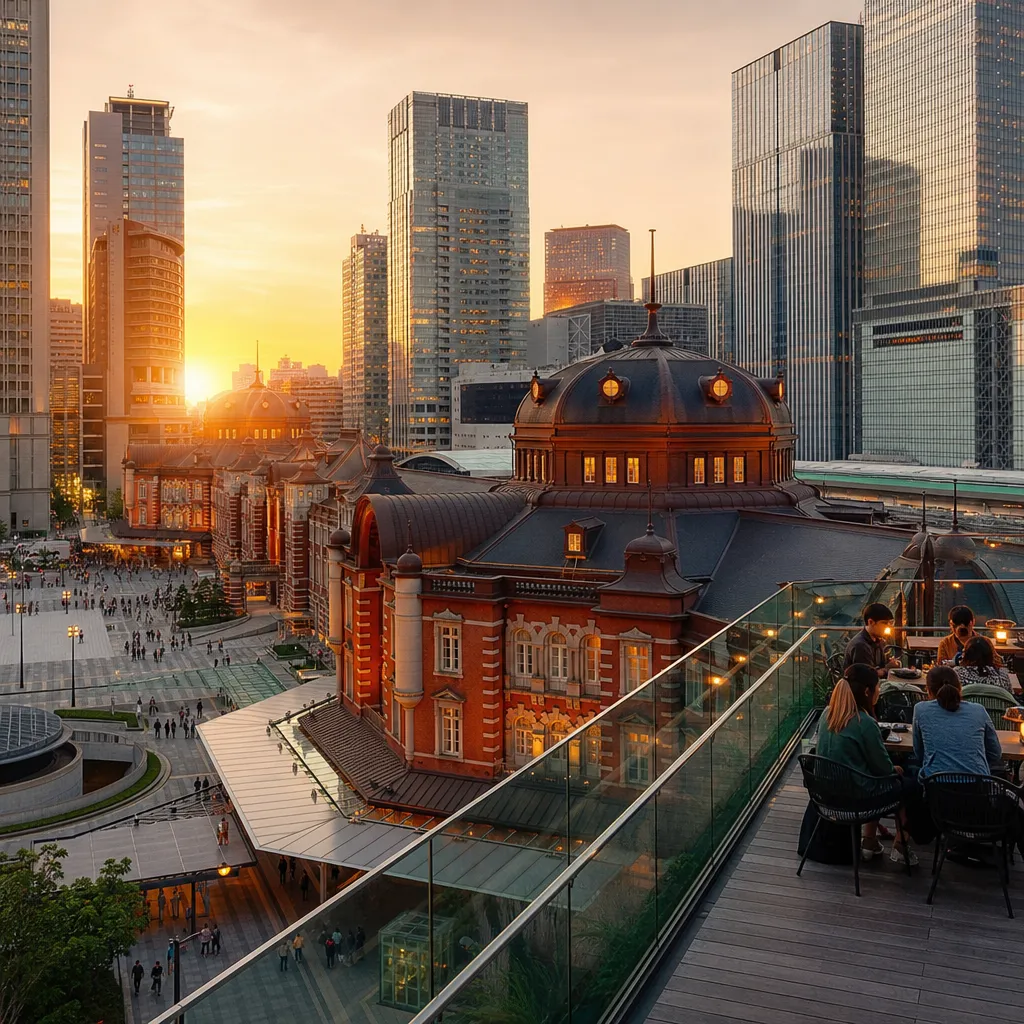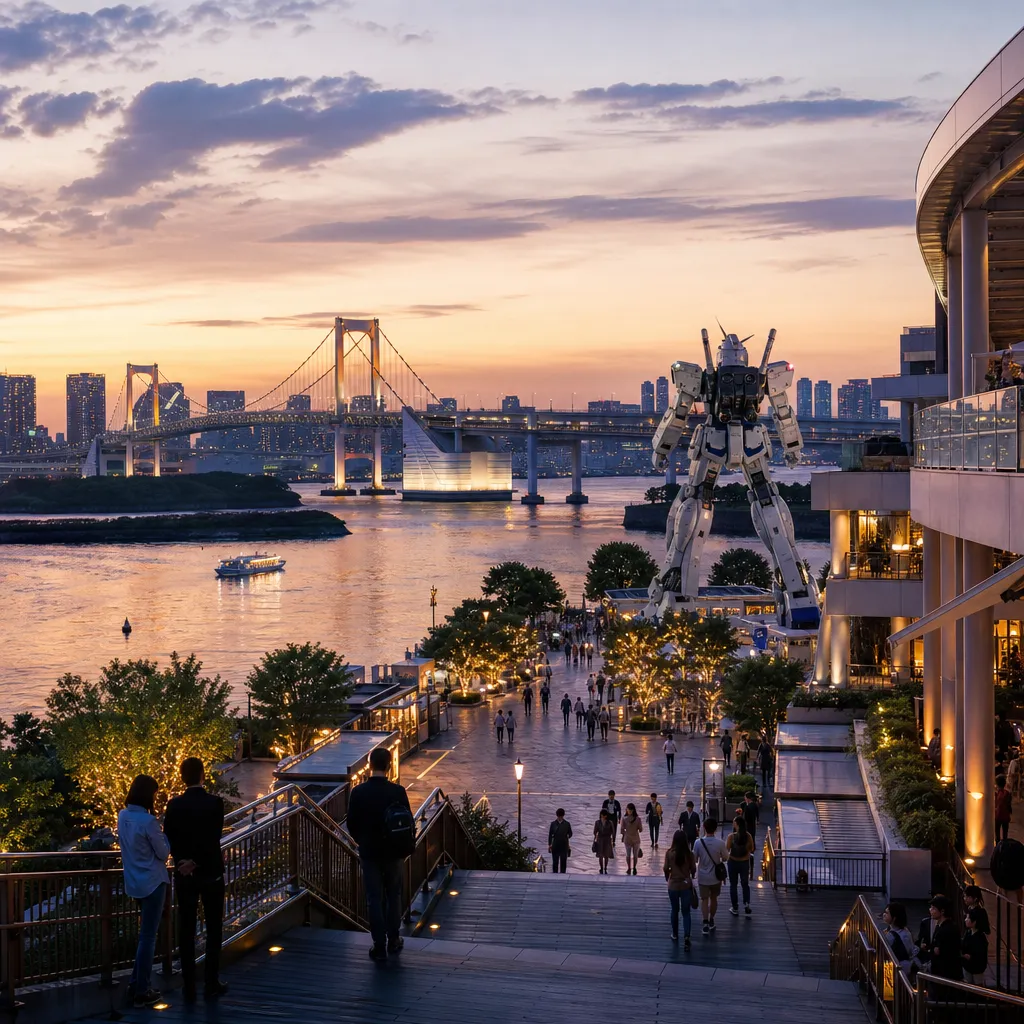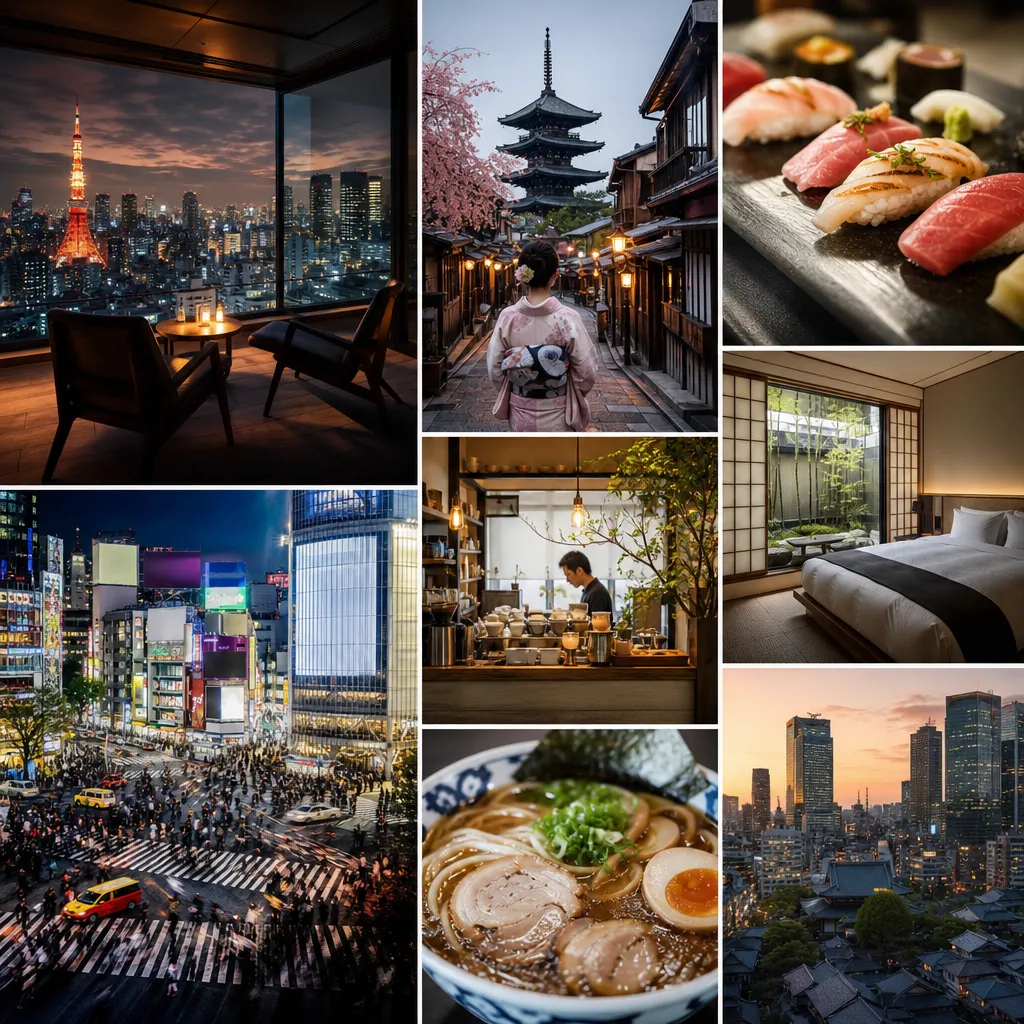
Choosing where to stay in Tokyo shapes almost everything else about your trip: how long you spend on trains, what the evenings feel like, and whether you wake up to business towers, old shopping streets, or quieter residential blocks. The city is vast, but visitors do not need to stay “in the middle of everything” to have an easy base. What matters more is picking a neighborhood that matches your style, budget, and priorities, then staying near a useful rail hub. Tokyo’s transport network is excellent, but the atmosphere around stations varies enormously, so it is worth choosing deliberately.
For most first-time visitors, the best areas are those with strong rail connections and a clear neighborhood identity: Shinjuku for transport and nightlife, Shibuya for energy and younger city culture, Ginza and Tokyo Station for convenience and polish, Asakusa for a more traditional setting, and Ueno for value and museum access. Families often do well in areas with calmer evenings and larger numbers of mid-range hotels, while repeat visitors may prefer neighborhoods like Kiyosumi-Shirakawa, Kanda, or Ebisu for a more local rhythm. Below is a practical area-by-area guide to help you decide.
| Area | Best For | General Mood | Transport Strength | Typical Trade-Off |
|---|---|---|---|---|
| Shinjuku | First-time visitors, nightlife, day trips | Busy, neon-lit, fast-paced | Excellent | Can feel crowded and overwhelming |
| Shibuya | Shopping, food, younger atmosphere | Trendy, lively, urban | Very strong | Not the calmest place to sleep |
| Ginza / Tokyo Station | Convenience, business trips, upscale stays | Polished, central, orderly | Excellent | Often pricier than other districts |
| Asakusa | Traditional atmosphere, slower evenings | Historic, tourist-friendly, relaxed | Good | Less central for some western neighborhoods |
| Ueno | Budget-conscious travelers, museums | Practical, busy, down-to-earth | Very strong | Less stylish than some other bases |
| Roppongi / Akasaka | Nightlife, dining, international visitors | Modern, cosmopolitan | Good | Not as rail-dominant as Shinjuku or Tokyo Station |
Shinjuku: best all-round base for transport and late nights
Shinjuku, in western central Tokyo, is one of the easiest bases for visitors who want to move around efficiently. Shinjuku Station is one of the city’s major transport hubs, with JR lines, private railways, and subway access that make it practical for sightseeing across the city and for day trips westward. If you are planning to visit places like Hakone, Kawaguchiko connections, or neighborhoods on both sides of Tokyo, staying here saves time.
The area itself is not one single mood. West Shinjuku is more businesslike, with high-rise hotels and a cleaner, quieter feel at night. East Shinjuku and the Kabukicho side are much busier, with restaurants, bars, entertainment, and a more chaotic nighttime atmosphere. That distinction matters. Travelers who want convenience without constant noise should often look west of the station or toward quieter edges of the district.
This is a strong choice for first-time visitors, solo travelers, and anyone who expects to be out after dinner. It suits people who value convenience over charm. If you are a light sleeper, check reviews carefully and pay attention to which side of the station the hotel is on.
Shibuya: best for energy, food, and contemporary city life
Shibuya, in southwestern central Tokyo, works well for visitors who want to be in a youthful, active part of the city. Shibuya Station links major JR, private railway, and subway lines, so the area is practical as well as lively. You are well placed for neighborhoods such as Harajuku, Omotesando, Ebisu, Daikanyama, and Nakameguro, all of which are easy additions to a stay here.
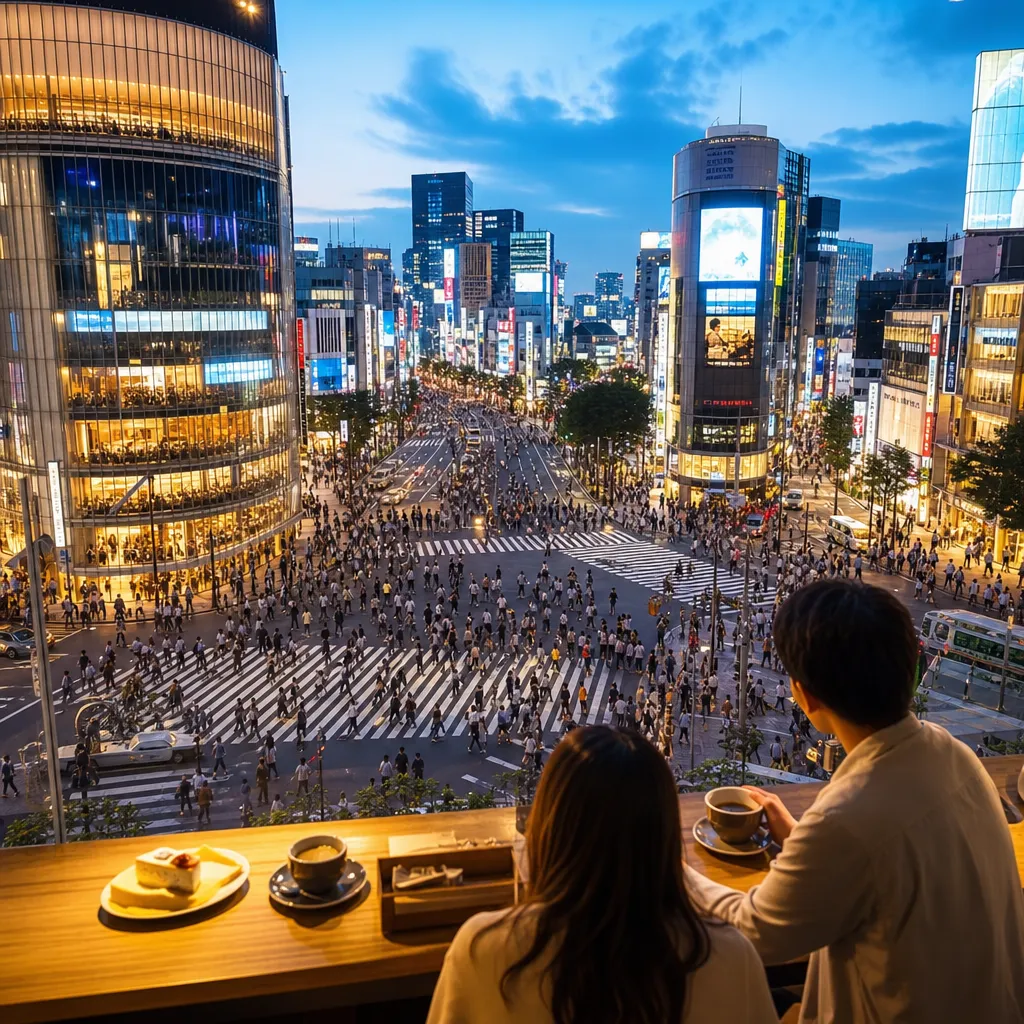
The character around the station is busy and commercial, with department stores, fashion, casual dining, and late-opening businesses. But Shibuya is not only the scramble-crossing image many travelers have in mind. Depending on the block, you can also find more design-led hotels, quieter backstreets, and food-focused pockets away from the busiest pedestrian flow.
Stay here if you like shopping, cafés, bars, and a sense of being in the middle of current urban Tokyo. It especially suits couples, friends traveling together, and repeat visitors who do not need a traditional atmosphere. Families can still stay here, but many prefer a calmer base unless older children want the action.
Ginza and Tokyo Station: best for convenience, polish, and easy airport or rail access
For many travelers, the most effortless base is the broad central area around Tokyo Station, Marunouchi, Nihonbashi, and Ginza. This part of central Tokyo is highly connected and especially practical if you are arriving by Shinkansen, making rail day trips, or want straightforward airport access via major transport links. It is also an excellent choice for shorter stays when time efficiency matters.
Tokyo Station and Marunouchi feel business-oriented and polished, with smart hotels, wide streets, and easy access to office towers, restaurants, and department stores. Ginza, just to the south, is more retail-focused and refined, known for luxury shopping, basement food halls, cocktail bars, and a more orderly pace than Shinjuku or Shibuya.
This area suits business travelers, couples, older travelers, and anyone who wants centrality without heavy nightlife directly outside the hotel. It is also a good match for travelers willing to pay more for convenience. The main drawback is cost: rooms here are often pricier, especially in well-known international and Japanese upscale hotels.
Asakusa: best for a traditional atmosphere and gentler evenings
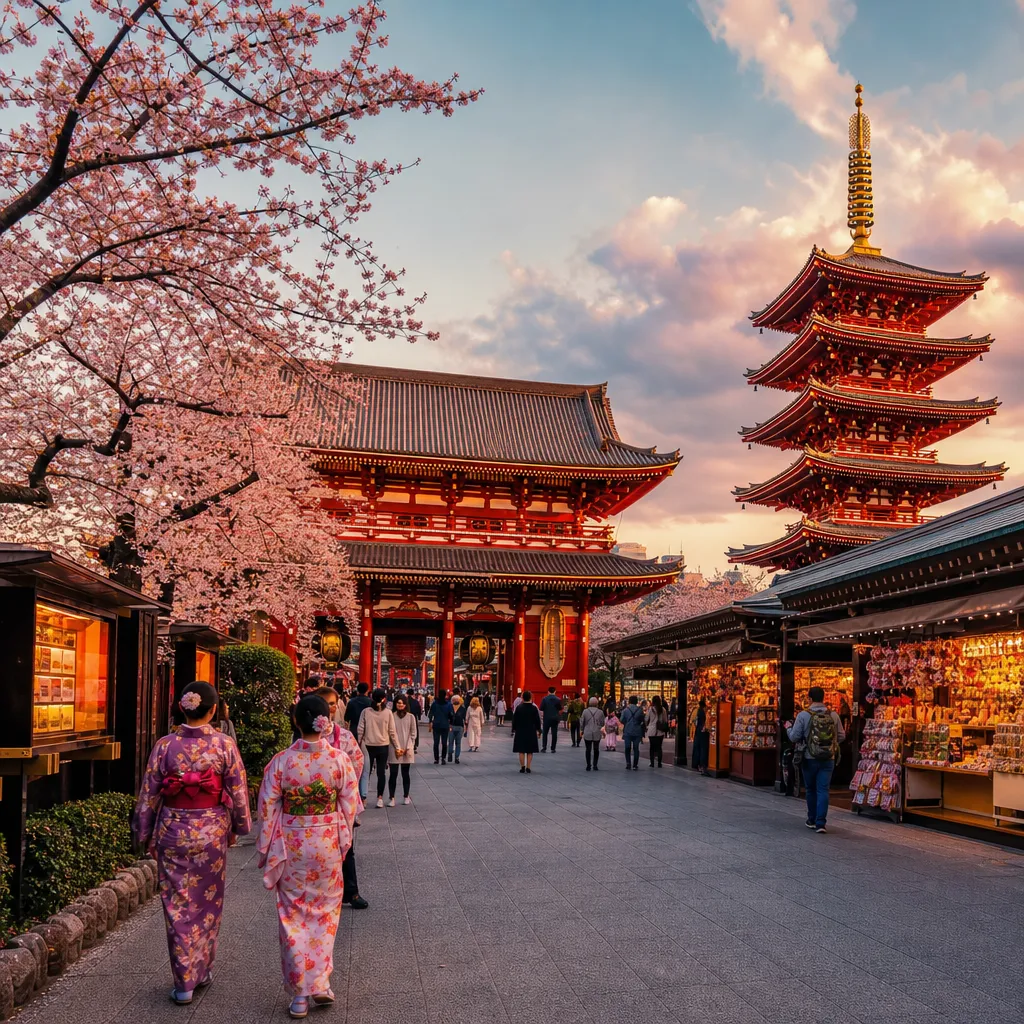
Asakusa, in Taito ward on the eastern side of central Tokyo, is one of the most appealing areas for travelers who want an older-style setting. The neighborhood around Senso-ji Temple has classic sightseeing appeal, but the reason to stay here is not only the landmark itself. The area has river views, traditional shopping streets, older low-rise blocks, and a pace that feels more relaxed than the major western hubs.
Transport is good rather than perfect. Asakusa Station connects useful lines, and the area works well for exploring eastern districts such as Ueno, Ryogoku, and parts of Sumida. It can be less convenient than Shinjuku or Tokyo Station if your plans are heavily focused on western neighborhoods, but many visitors gladly accept that trade for atmosphere.
This is one of the best areas for first-time visitors who want a more characterful stay, photographers who enjoy early-morning streets, and families who prefer quieter nights. It is also a sensible place to look for ryokan-style stays or hotels with a more traditionally inspired feel, though not every property in Asakusa is actually a ryokan.
Ueno: best for value, museums, and practical connections
Ueno, also in Taito ward, is a highly practical base that often offers better value than the more glamorous districts. Ueno Station is an important transport point, useful for JR lines, some intercity travel, and access to the northeastern side of the metropolitan area. Keisei Ueno is also relevant for travelers using the Skyliner to and from Narita Airport.
The area is functional rather than polished. Around the station you have Ameyoko market streets, casual eateries, busy foot traffic, and a slightly rougher edge than Ginza or Marunouchi. Just beside it, Ueno Park brings museums, broad walkways, and major cultural institutions including the Tokyo National Museum and National Museum of Nature and Science.
Stay here if budget and convenience matter more than trendiness. It suits solo travelers, museum-focused travelers, and anyone looking for a practical base with plenty of casual food nearby. If you want a stylish evening scene or elegant surroundings, other districts may fit better.
Roppongi and Akasaka: best for dining, international comfort, and nightlife access
Roppongi and nearby Akasaka, in Minato ward, are often good matches for visitors who care more about restaurants, bars, and an international-facing atmosphere than about staying beside Tokyo’s biggest rail hub. Roppongi is known for nightlife, large-scale urban developments, art museums, and hotels aimed at both business and leisure travelers. Akasaka is somewhat calmer, with many hotels tucked into a compact district full of restaurants and bars.
These areas are centrally located, but the train convenience is different from places like Shinjuku or Ueno. You will rely more on subway movement and less on one giant JR station. For many travelers that is completely fine, especially if the hotel quality or local dining scene is the priority.
This is a good choice for couples, business travelers, and visitors who plan late dinners or drinks. Families can stay here, but it is usually not the first recommendation unless there is a specific hotel or itinerary reason.
Good alternatives for repeat visitors: Ebisu, Kanda, and Kiyosumi-Shirakawa
If you have been before, or simply do not want the busiest tourist bases, several neighborhoods make excellent alternatives.
- Ebisu, south of Shibuya, feels more residential and mature while still being well connected on the JR Yamanote Line and Tokyo Metro. It is good for food-focused travelers and couples who want evenings out without the intensity of Shibuya itself.
- Kanda, north of Tokyo Station, is practical and understated. It has strong train access, lots of everyday restaurants and izakaya, and a more local business-district rhythm. It suits travelers who want functionality and easier rates than nearby premium districts.
- Kiyosumi-Shirakawa, in eastern Tokyo, is quieter and more residential, known for cafés, warehouses, and a slower pace. It is best for travelers who do not mind staying outside the classic tourist core and who want a calmer design-conscious area.
These neighborhoods are usually better for people already comfortable navigating rail networks or visitors who care more about the immediate local feel than about being next to major landmarks.
How to choose the right area for your trip
The simplest way to decide is to work backward from your itinerary and your evenings.
- If this is your first trip and you want maximum convenience: choose Shinjuku, Tokyo Station, or Ueno.
- If you care most about shopping, food, and nightlife: choose Shibuya, Shinjuku, or Roppongi.
- If you want a more traditional or atmospheric base: choose Asakusa.
- If you want a polished, quieter central stay: choose Ginza or Marunouchi.
- If budget matters: compare Ueno, Asakusa, Kanda, and parts of Ikebukuro.
Also think about arrival and departure logistics. If you are using the Shinkansen, the Tokyo Station area is especially easy. If you are flying in and out of Narita, Ueno can be convenient because of the Skyliner. If you plan regular late nights, staying close to where you expect to spend the evening is often wiser than trusting last trains and transfers.
Hotel style: international hotels, business hotels, and ryokan-style stays
Tokyo accommodation is not only about area; it is also about hotel type.
International and upscale Japanese hotels are concentrated in places such as Marunouchi, Ginza, Shinjuku, Roppongi, and parts of Shibuya. These suit travelers who prioritize service, larger common spaces, and a smoother English-language experience.
Business hotels are found across the city, especially near major stations. They are often compact but efficient, clean, and very practical for solo travelers or couples who are not spending much time in the room. Ueno, Kanda, Shinagawa, and Shimbashi often have many options in this category.
Ryokan-style stays are less common in central Tokyo than in Kyoto or hot-spring towns, but they do exist, particularly in or around areas like Asakusa. Some are traditional inns, while others are modern hotels borrowing ryokan design cues. Read property descriptions carefully rather than assuming tatami rooms or communal bathing facilities are included.
Wherever you stay, checking the nearest station matters as much as checking the district name. A hotel described as being in a famous area may still be on its outer edge, which can affect convenience and the feel of the surrounding streets.
Practical booking advice before you choose
Tokyo does not require staying in only the most famous district. A hotel near a good station in a slightly quieter area can work extremely well. When comparing options, prioritize these questions:
- Is the property near a station on a line you will actually use?
- Does the immediate area match your preferred evenings: quiet, restaurant-heavy, or nightlife-oriented?
- Are you arriving with large luggage, making airport access an important factor?
- Do you need larger family rooms, or is a compact business hotel adequate?
- Would you rather save money on the room and spend it on dining and activities?
For spring cherry blossom season, autumn foliage periods, year-end holidays, and major event dates, demand can rise noticeably. Booking earlier gives you much better choice in the most convenient neighborhoods. It is also wise to confirm current transport access, breakfast options, and room configurations directly with the property before finalizing.
What is the best area to stay in for a first trip?
Shinjuku is the strongest all-round choice for many first-time visitors because of its transport connections and large hotel stock. Asakusa is another good option if you prefer atmosphere over sheer central convenience.
Is Shibuya or Shinjuku better for tourists?
Shinjuku is usually better for transport flexibility and broader hotel choice. Shibuya is better if your trip is centered on shopping, food, and a younger nightlife-oriented atmosphere.
Where should families stay?
Asakusa, Ueno, and parts of Ginza or Tokyo Station often work well for families because evenings can feel more manageable than in the busiest nightlife zones. The right choice also depends on room size and proximity to the station.
What area is best for nightlife?
Shinjuku, Shibuya, and Roppongi are the main choices. If you expect late nights, it is usually easier to stay nearby rather than rely on multiple train transfers.
Where can I find a more traditional-feeling stay?
Asakusa is the most practical place to start looking, especially if you want access to temple precincts, older shopping streets, and some ryokan-style accommodation. Check each property carefully to see whether it is a true ryokan or a modern hotel with traditional design elements.
Is it worth staying near Tokyo Station?
Yes, especially for short stays, business trips, or itineraries involving Shinkansen travel. The area is central, efficient, and polished, though usually not the cheapest option.
How important is the exact station location?
Very important. A hotel near a useful station can be more practical than a hotel in a famous district but far from the lines you need. Always look at the nearest station and rail connections, not only the neighborhood name.
Should I book far in advance?
If you are traveling during cherry blossom season, autumn weekends, or major holiday periods, booking early is wise. Popular areas and family-friendly room types can become limited well before the trip.
Sources
- Go Tokyo (Tokyo Convention & Visitors Bureau)
- Japan National Tourism Organization
- Tokyo Metropolitan Government